 selectvenue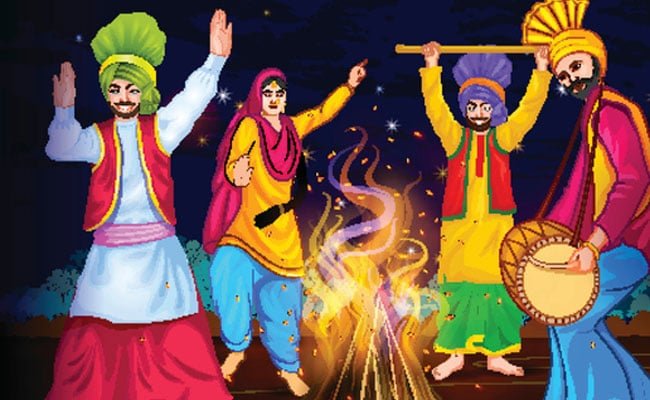
Lohri is one of the most popular and glorious festivals celebrated in India. Winter comes to an end on Lohri. To commemorate the winter solstice, big, roaring bonfires are surrounded by crowds of people. Although it is a common misconception that Lohri marks the end of the winter season, this event is actually observed to honour the harvest of the rabi crops. Lohri, which falls in the month of Paush and is traditionally observed on January 13, is observed the day before Makar Sankranti. It is thought that the sun begins to move from the North to the South on this day as it enters the Makar Rashi. The end of the bitter and dreary winters is signalled by the Earth starting its trip toward the sun.
Lohri is regarded as the first festival of the year in India and is observed with utmost joy and merriment in the northern Indian states of Punjab, Haryana, and Himachal Pradesh, in particular. As the shortest day and longest night of the year, Lohri is thought to be observed on this day.
The residents of Punjab and Haryana join hands each year to celebrate the winter harvest festival. The festival of Lohri is one that the Indian population observes with tremendous fervour and excitement. The celebration, which honours the winter solstice, is generally referred to as Punjab’s harvest festival. However, Lohri is one of the most fortunate festivals in India because it is observed throughout North India.
Mythologies
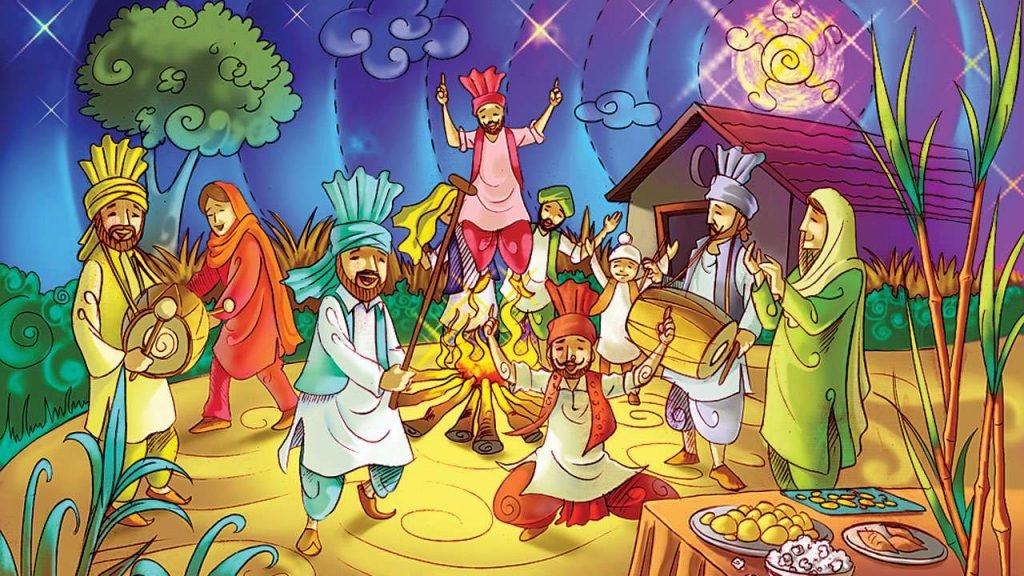
The folktale, known as Sundr Mundriye, is actually the story of a man by the name of Dulla Bhatti who is reputed to have lived in Punjab during the reign of the Mughal Emperor Akbar. Back in the day, Dulla Bhatti is said to have been quite the “Robin Hood,” robbing the wealthy while saving the impoverished Punjabi girls who were being abducted to be sold as slaves. He then proceeded to arrange their marriages to village guys and give them dowries (from the stolen money). These girls included Sundri and Mundri, who are now known as Sunder and Mundriye in Punjabi legend. There are many jovial folk songs on the figure of Dulla Batti which commemorate his feats making them a part of the history of the Lohri festival.
Celebrations of Lohri signal the start of the harvest season. It is a time of giving thanks for enabling a plentiful harvest. The Lohri festival ushers in the end of the bitter winter and the arrival of cheery sunny days.
How Lohri is celebrated?
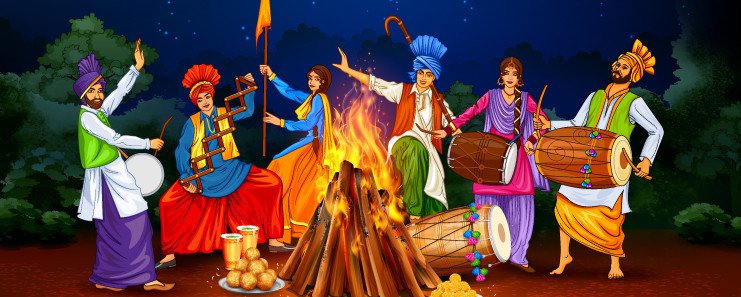
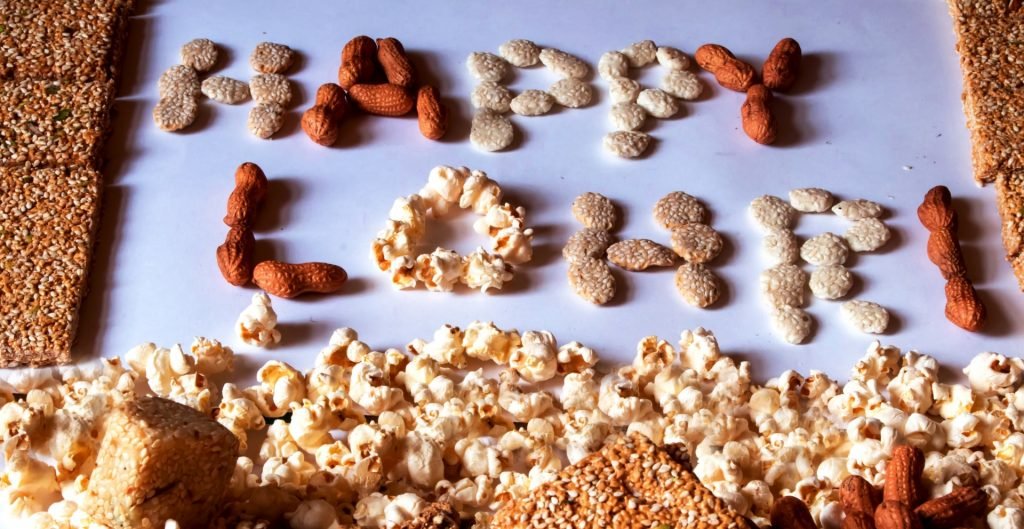
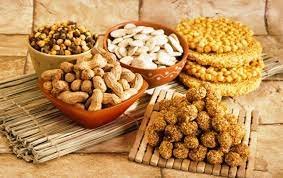
The biggest highlight of Lohri is the bonfire. Families would traditionally sing traditional songs like Sundariye Mundariye Ho around bonfires. Today, most people use a speaker that is plugged in to play music. Snacks and fuel for bonfires include foods created from seasonal ingredients like rewri, gajak, peanuts, and others.
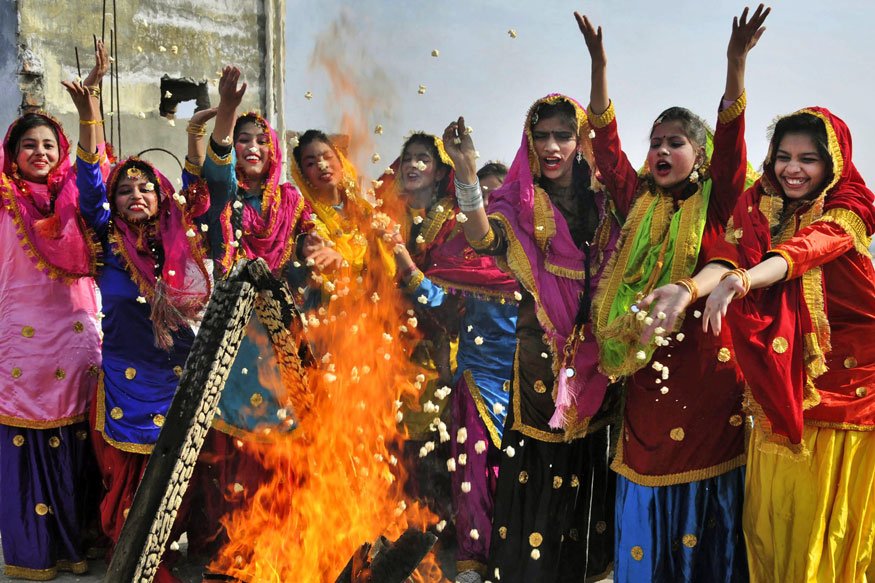
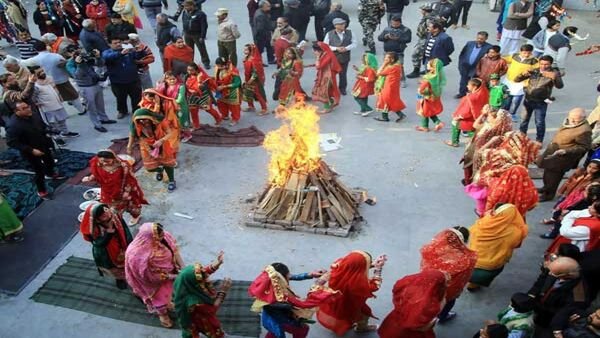
Families congregate in front of the bonfire and make a circle around it to pay respect to the “agni.” For the end of the previous year and the start of the new one, people pray. People gathered around the bonfire and tossed til ki rewari, along with gajak, puffed rice, and unsalted popcorn (makai). People gather afterwards to enjoy traditional meals and even trade prasad with one another. In reality, the word Lohri derives from Tilohri, where “til” stands for sesame and “right” for gur. The winter harvest festival eventually became known as Lohri. The traditional meals til and gur, which are related to the lohri festival, are thought to come from within and provide new energy for the following years. This is the reason why traditional foods are offered to the bonfire on a glorious day.
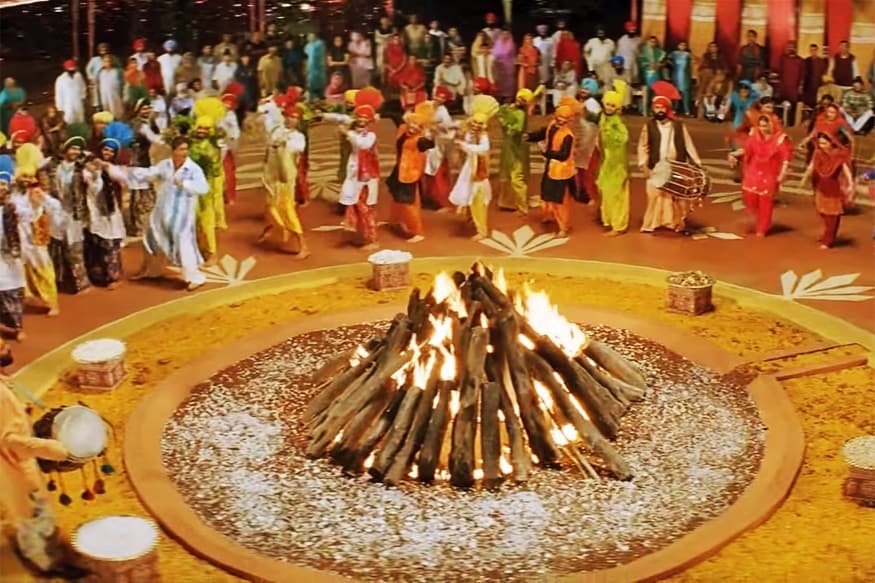
The evening comes to a close with a joyful dance and song ritual that heralds the start of happiness and success. When sacrifices are made in the pyre, the guys begin the Bhangra dance. Until late at night, when new groups of men join the dance in the midst of the drum beats, the dancing never ends. The local women traditionally refrain from participating in the Bhangra dance. They are, however, encircling a separate blaze with a delicately performed dance called gidda in a different patio.
Why do we burn fire on Lohri?
According to Punjabi folklore, the flames of the bonfire lighted on the day of Lohri transmit the people’s messages and requests to the sun god, who is believed to bring warmth to the globe and facilitate agricultural growth. In return, the sun deity blesses the region and puts an end to the dark, gloomy days. Makar Sankranti is observed on the day after. Some people utilise the bonfire as a symbol for the future promise of bright days and as a conduit for their prayers to the sun god, but for others, it’s just an excuse to have fun.

Lohri brings in an opportunity for people in the community to take a break from their busy schedule and get together to share each other’s company.