 selectvenue
 The focus of an Arya Samaj wedding is on elegance and simplicity. Indian wedding customs are mostly based on the community or religion that a family belongs to. Arya Samaj wedding ceremonies, which are modelled after Hindu Brahmin weddings, place a strong focus on gods like Agni and Surya above Hindu deities like Krishna, Shiv, and Vishnu. Arya Samaj performs weddings in accordance with Vedic rituals, which eliminates the need for extravagance. In actuality, the primary aspect of an Arya Samaj wedding is modesty and humility!
Mehndi
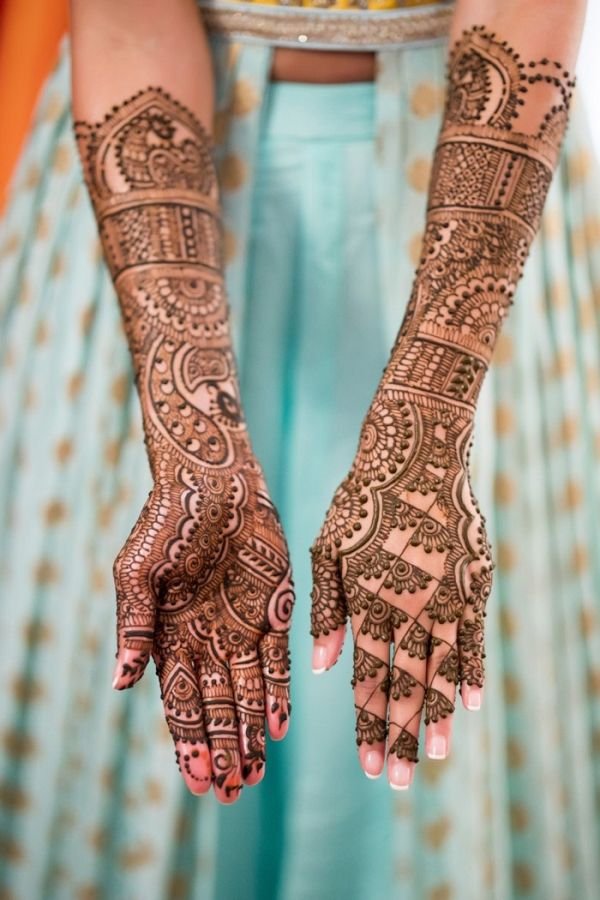
The Mehndi ceremony begins the pre-wedding festivities. Arya Samaj weddings do not traditionally include mehndi, but nowadays, couples have a colourful and joyous mehndi ceremony with their friends and family. The bride’s hands and feet are typically covered in Henna or mehndi the day before the wedding, during the day. Additionally, practically every other female present participates in the henna and mehndi applications on their hands. The bride’s hands and feet are covered with mehndi designs that feature floral and geometric patterns with lines and a variety of motifs. It is believed that a bride’s bond with her husband will be stronger the darker the mehndi design appears after application.
Sangeet
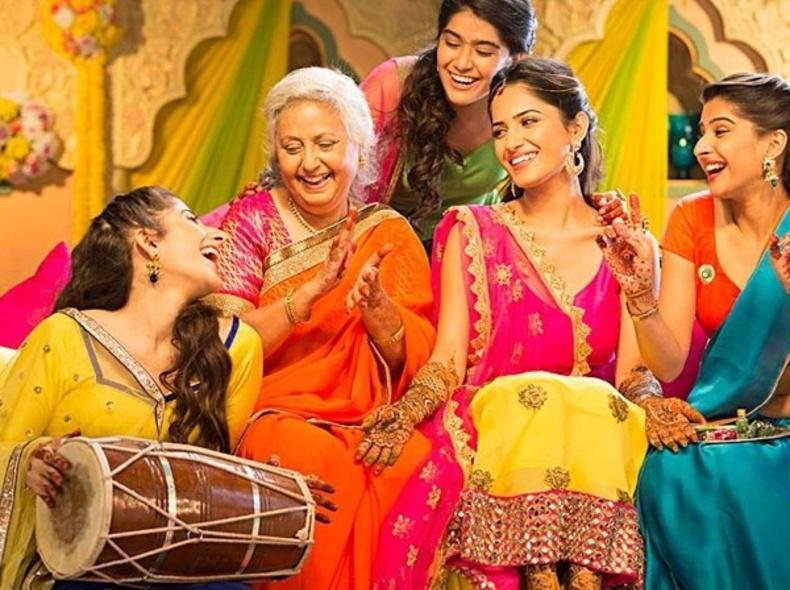
The wedding’s sangeet is the event that draws the greatest attention. Both the bride’s and the groom’s family gather under one roof for an Arya Samaj wedding rite in which they dance wildly. Sangeet literally translates as “sang together.” Earlier, both families would gather together to dance and play the dhol while singing and singing traditional tunes. However, sangeets now revolve upon getting together to dance to the newest Bollywood songs and have undergone significant evolution. The majority of the time, sangeets feature professionally planned dance performances from both sides, along with a few touching and entertaining ones. It’s the perfect way to unwind, relax, and enjoy time with your loved ones while letting go of the stress of wedding planning.
Haldi
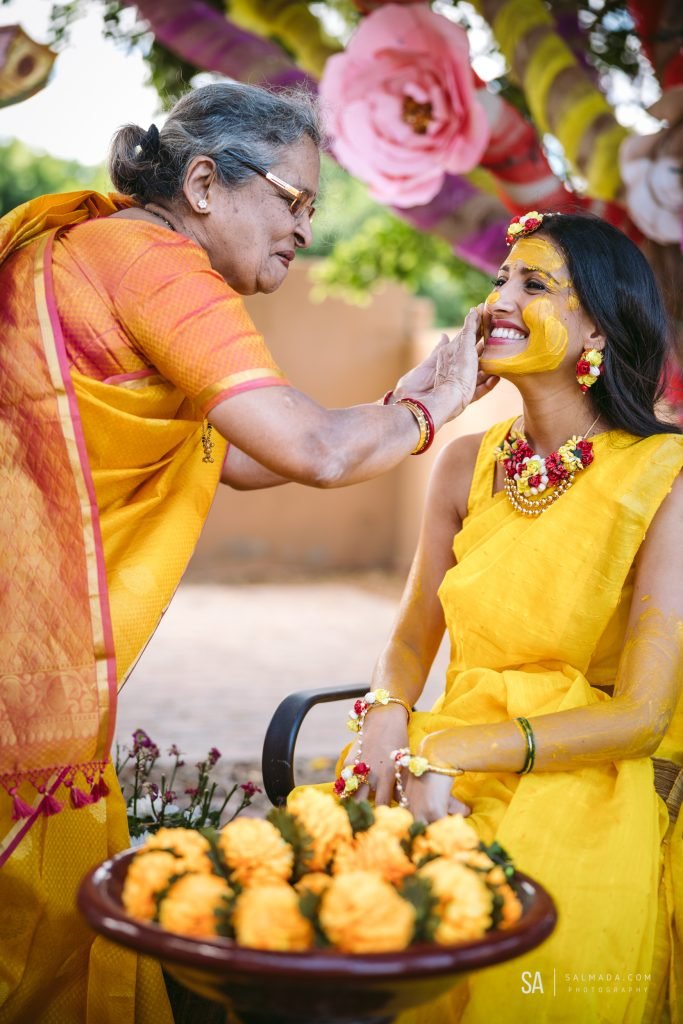
A very significant event, the haldi ceremony takes place either the morning of the wedding or the evening before. Prior to their wedding, the couple participates in the Haldi ceremony, during which their relatives get together to cover them with oil, water, and turmeric. The concoction is thought to bless the pair and is applied to their skin and clothing everywhere. The bride and groom’s vivacious glow from the haldi is an additional bonus of the event. It can take place the day before the wedding or even the morning of.
Bramhabhoj
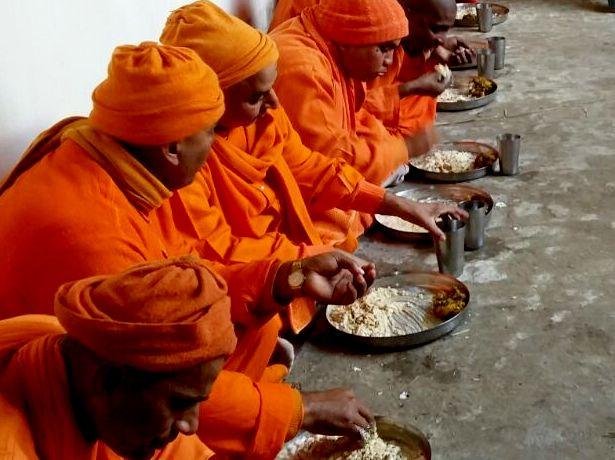
The Bhramhabhoj is a rite that happens the morning of the wedding in an Arya Samaj wedding. Bhramin are invited to a feast at the bride and groom’s houses on this formal occasion. In the Arya Samaj, it is regarded as a lucky manner to begin any wedding festivities.
Swagat Vidhi & Varmala
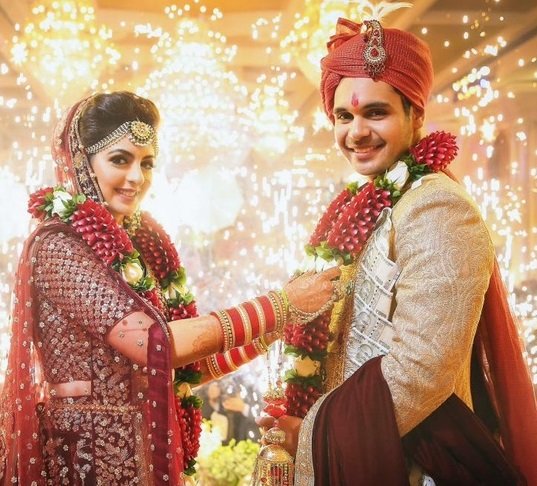
In an Arya Samaj wedding ceremony, the bride welcomes the husband to the Arya Samaj marriage temple in order to commence the rites in accordance with Arya Samaj marriage protocol. The bride and groom then exchange the jaimala while reciting sacred Vedic scriptures. The bride wraps the husband in the garland first. The jaimala ceremony represents how their new relationship has been accepted by society.
Madhuparkaa

In the Madhuparka rite, the bride offers the husband water three times—once to wash his feet, once to wash his body, and once more for drinking. The bride receives the same treatment from the husband. After presenting it to the All-Powerful, the groom next consumes a religious concoction of honey, curd, and cream called Madhuparka. This ceremony is a lovely display of the bride and groom’s love in an Arya Samaj wedding.
Yagna
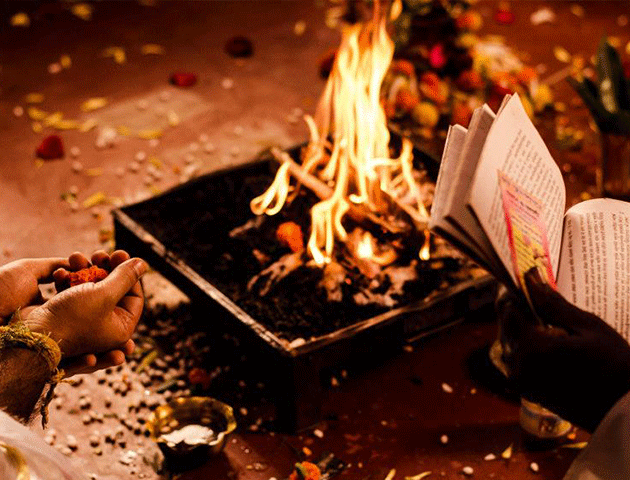
In the Arya Samaj, the groom is required to have a priest tie a sacred thread around his wrist. The tread represents the groom’s development into a man and a responsible householder from his boyhood. Numerous Vedic chants, including the Gayatri mantra, are performed during this time as the holy fire is worshipped. This also signifies the couple’s move from Brahmacharya to Grihastha Ashram.
Kanyadaan

The bride’s parents carry out the Kanyadaan ritual after the Yagna ceremony. The bride’s father placed his daughter’s hand in the groom’s palms. This ceremony symbolises the idea that going forward, the groom will be responsible for the daughter (her husband).
Havan & Godan
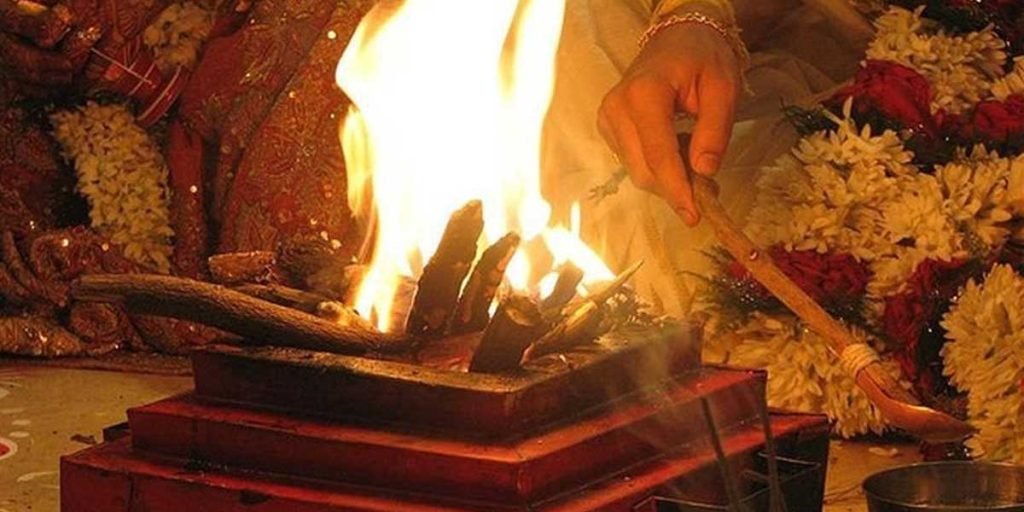
In place of idols, the Arya Samaj worships the sacred fire. A witness to the union of the bride and groom is the sacred fire that is blazing in the centre of the mandap. The priest comes prepared with everything needed to conduct the wedding rites. The Godan ceremony typically comes after the Havan. In this Arya Samaj wedding ceremony, the priests receive an alms gift of a cow or calf. Today, priests are given money in the equivalent amount rather than a live cow.
Shilarohan
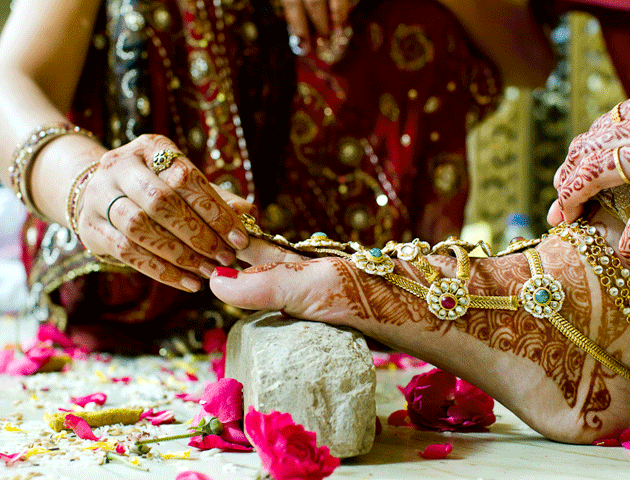
The bride’s mother places the bride’s right foot on a stone during the Shilarohan ritual, which is performed during an Arya Samaj wedding as the groom chants mantras recommended by the pandit. The ceremony represents, like a rock, a firm and stable tie between the bride and husband. Additionally, it symbolises a prayer the couple spoke to help their union endure any difficulties in life.
Lajahom
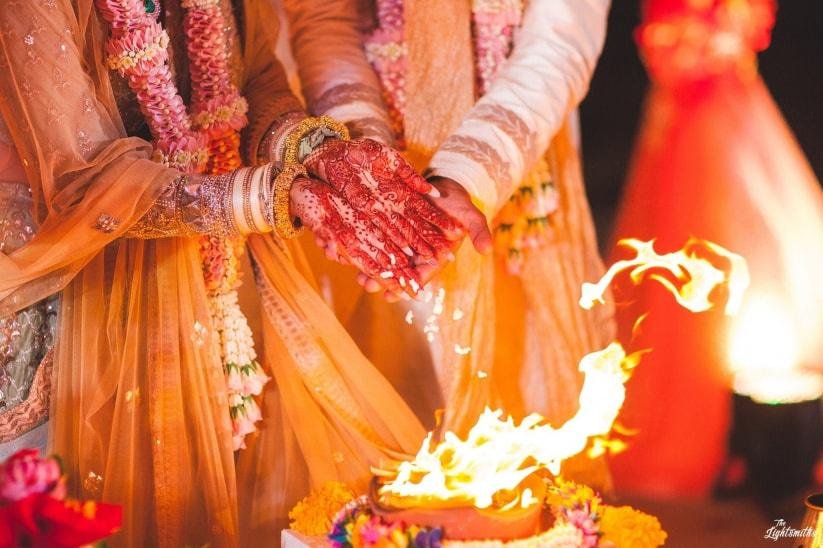
The Lajahom ritual is conducted after the Shilarohan ceremony. It entails offering puffed rice (murmura) to the Agni. The bride’s brother pours puffed rice into the hands of the bride and groom, who then hold hands and present the rice to the agni.
Phere or Parikrama
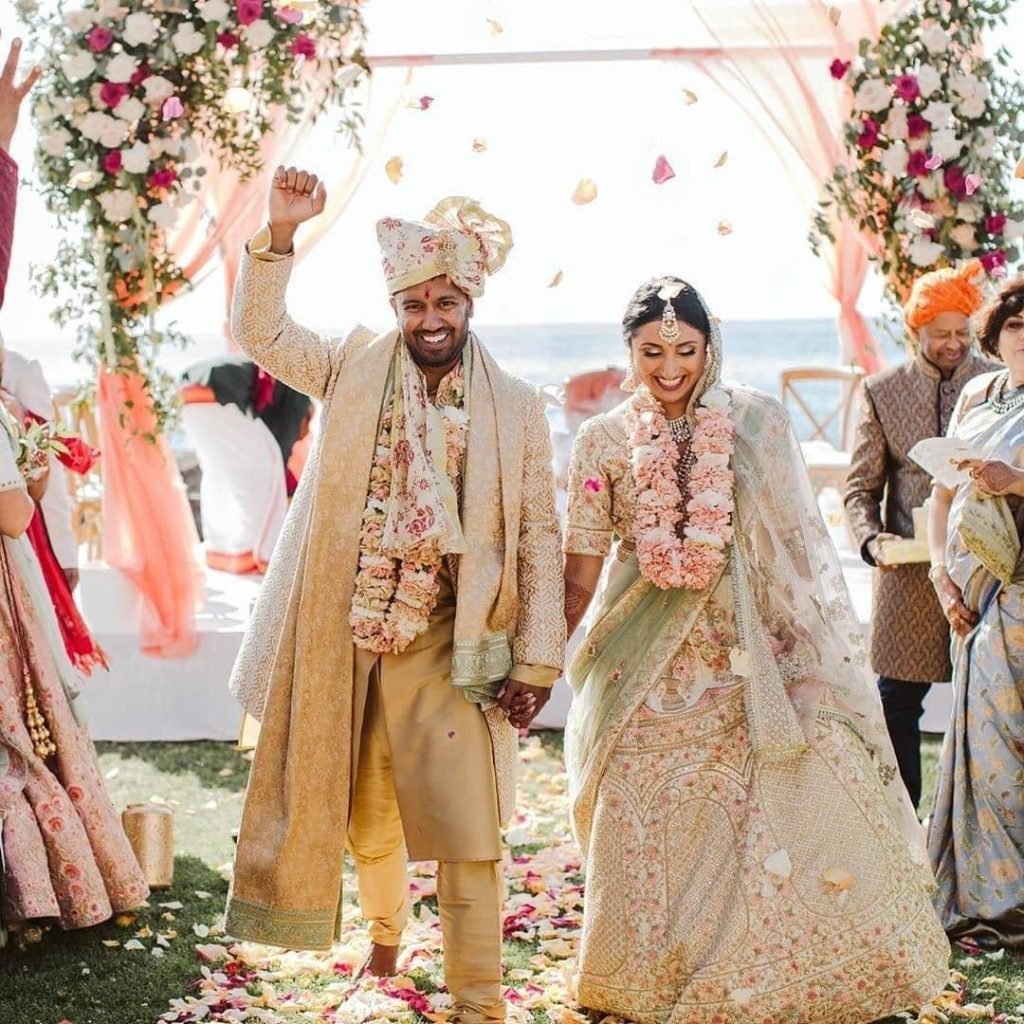
Following the completion of the aforementioned Arya Samaj wedding ceremonies, the bride and husband participate in four rounds of the agni, or sacred fire. By the groom’s sister, the bride’s saree is tied in three knots to the groom’s “angavastra” before they take their pheras. Each phera represents a promise made between the pair. The bride prays for the groom to live a long and healthy life, and the groom promises to look after and protect her at all times.
Sindoor & Mangalsutra

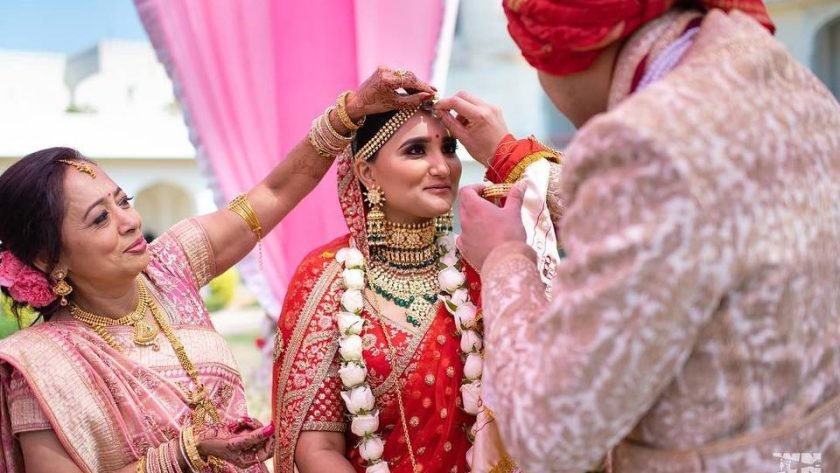
A Sindoor and Mangalsutra wedding ritual is also a part of Arya Samaj marriages. The bride’s forehead is covered in vermillion (sindoor) at this time by the husband. The pair is formally recognised as man and wife at this ceremony. The Mangalsutra is tied around her neck by the groom at the conclusion of the ritual. Once the procedure is complete, the marriage is regarded as legally valid. They offer each other sweets.
Surya Darshan
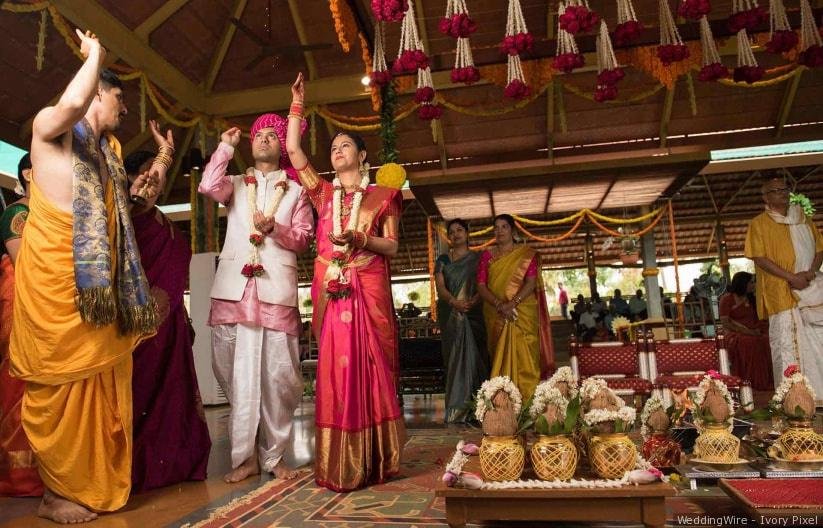
The Surya Darshan comes after the last Arya Samaj wedding ritual. The bride and groom go outside for the Surya Darshan, or Sun welcoming ceremony, when they worship the all-powerful sun together and ask for blessings for a long life of health and prosperity.