 selectvenue
 Holi is a vibrant and extremely enjoyable celebration that is observed in March, usually in the second half of the month. It’s a festivity featuring singing, dancing, and the flinging of coloured water and powder paint.
Why do we celebrate Holi?
The three main sources of inspiration for Holi’s celebrations are the coming of spring, the tale of Krishna and Radha, and the encounter between Holika and Prahalad. These provide the Holi celebrations themes of good over evil, love and compassion, and positive change and rejuvenation.
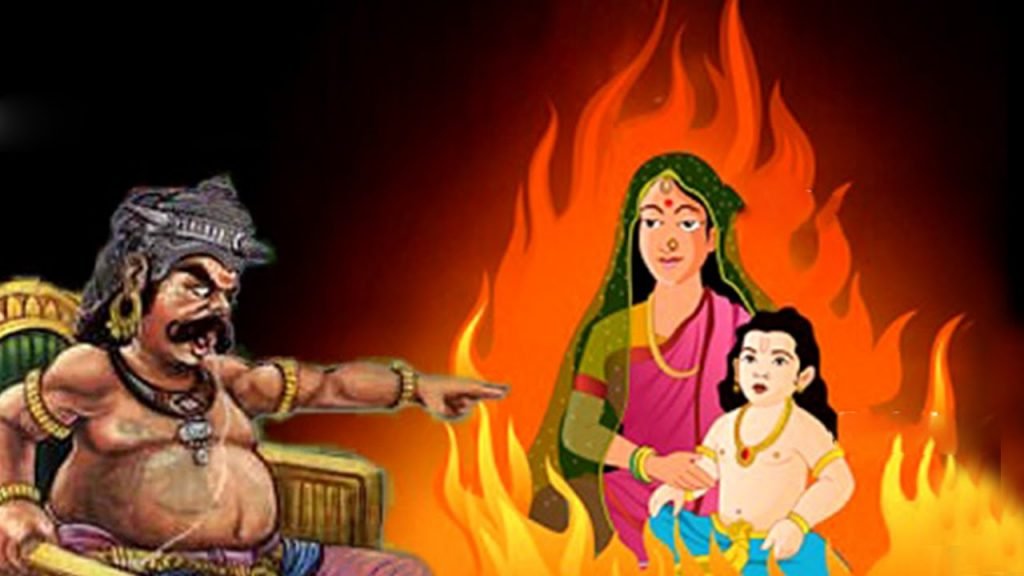
The most well-known one is connected to Holika’s killing. The plot revolves around an egotistical king who demanded worship from everyone in his kingdom. However, Prahlad, his son, declined and chose to worship Lord Vishnu. Each time he tries to murder his son, he is unsuccessful. Finally, the boy is seated alongside the king’s sister Holika, who is reputed to be resistant to burning. However, although his aunt is burned to death, the prince Prahlada escapes unharmed. Huge bonfires are lit on the eve of Holi as a symbolic representation of this mythological event, which is commemorated during Holi.
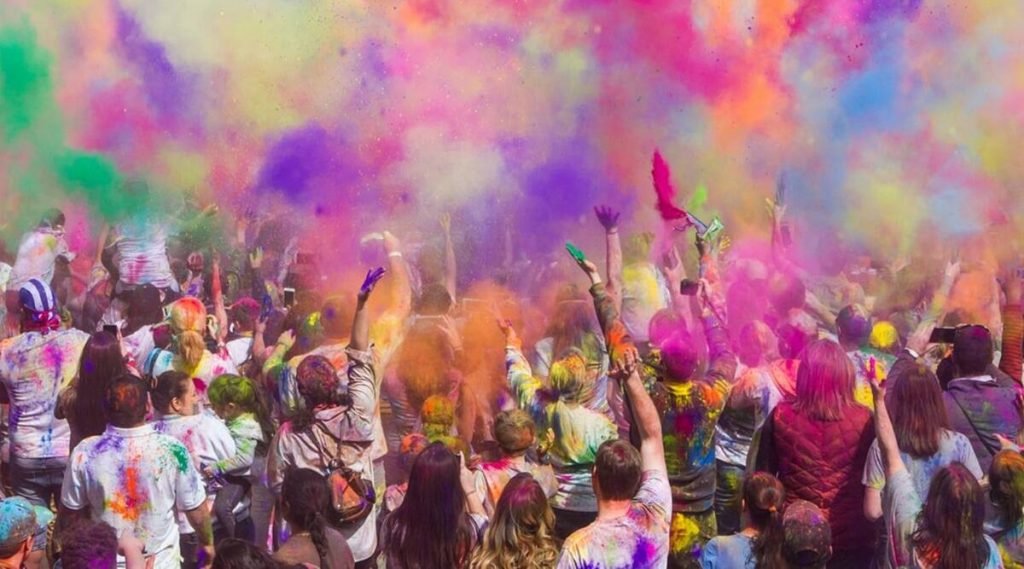
During Holi, the arrival of spring serves as a reminder that, just as spring ushers in a fresh start after the long winter, people celebrating should also be prepared to do the same, looking forward with hope and forgetting and forgiving the past. In many cases, it also fosters a sense of community because it coincides with getting ready for the spring crop.

Holi celebrations recall the tale of Krishna and Radha by incorporating characteristics of love and compassion. Krishna, a manifestation of the Hindu god Lord Vishnu, loved to tease people to show how much he cared for them. One day, as a playful act of love, he threw colours on Radha, and soon everyone joined in the colourful fun. The moral of the story is that despite any physical distinctions, everyone is equal and ought to be treated as such.
So, the festival signifies the victory of good over evil, the arrival of spring, end of winter, and for many a festive day to meet others, play and laugh, forget and forgive, and repair ruptured relationships.
How is it celebrated?
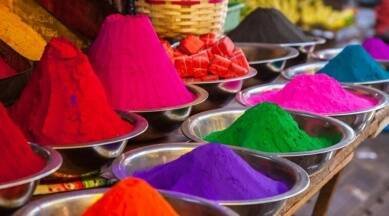
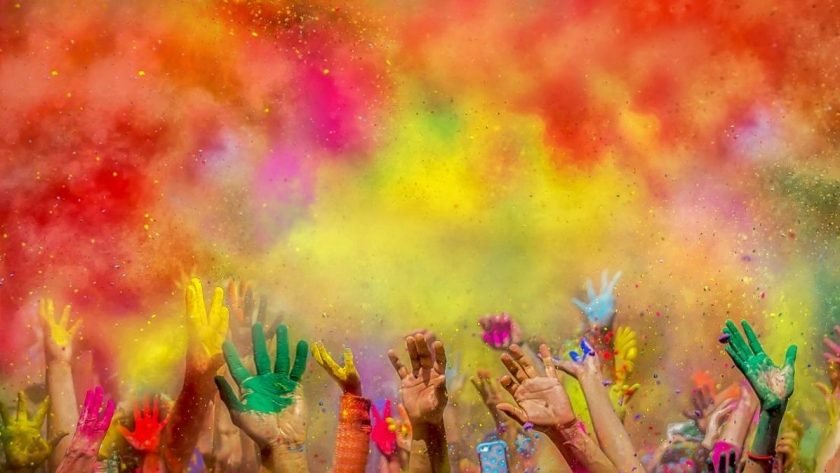
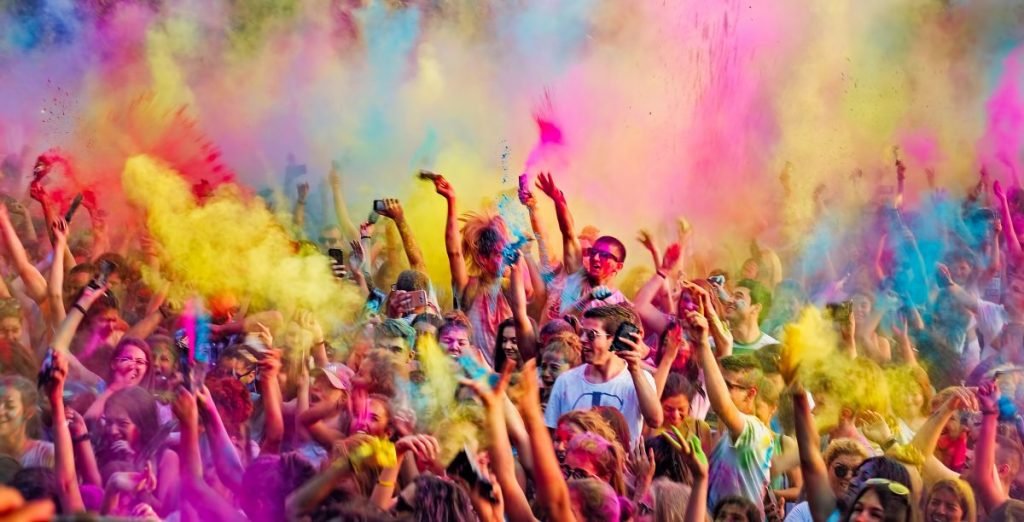
People can be seen excited when it comes the time of playing with colours. Shops and offices are closed. People take turns throwing coloured water over one another while the air is filled with the vibrant hues of gulal and abeer. Children particularly enjoy throwing water balloons and dousing one another in colour with their pichkaris. Tolis travel in colonies while donning colours and giving greetings.
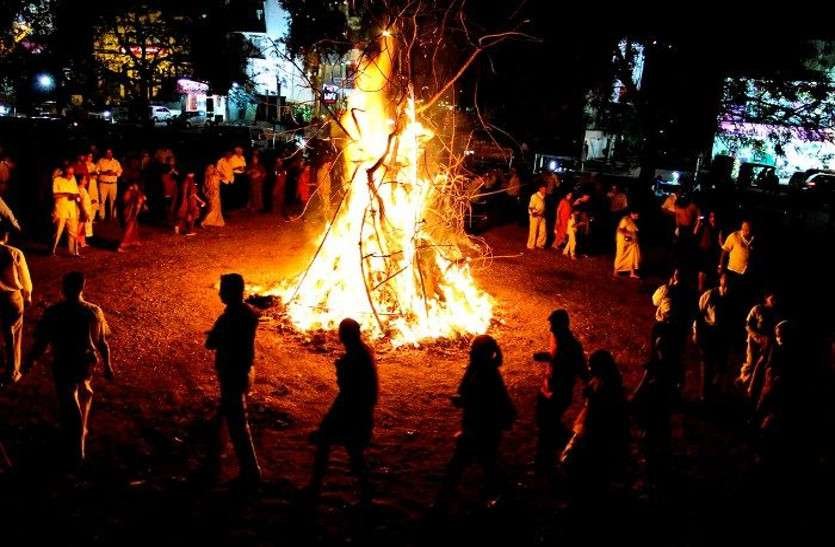
The other attractions of the day are songs, dancing to the beat of the dholak, and delicious Holi fare. Parties are frequently planned where guests dance to music and exchange colourful greetings. Without some nice and fine “Thandai” (a creamy, milk-based beverage that has been spiked with almonds), Holi would not be complete. This is a rather conventional practise. Prayer, Holika Dahan (bonfires), gulal (coloured powder) and coloured water throwing, as well as visiting others to share food and drink, are typical Holi celebration activities.
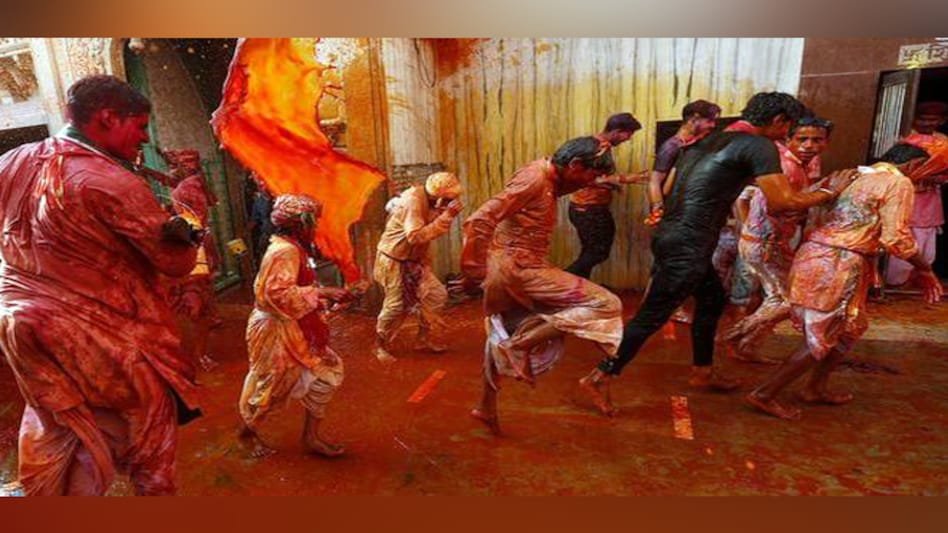
Personal distinctions are put on hold during the festival, and everyone is said to become unified by colour and joyful pleasure. It is a time to accept equality and rekindle relationships.

Due to the country’s diverse cultural terrain, Holi is celebrated in various ways depending on the location.
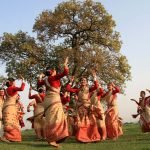
In West Bengal and Assam, Holi is known as Basanta Utsav or Spring Festival. The holiday of Holi, also known as “Rang Panchami” in Maharashtra, is well-liked by the local fishermen. The activities include singing, dancing, creating delectables, using colours, and gulaal. The day before the celebration itself, Holika is also torched. The specialty made especially for this occasion is puran poli.
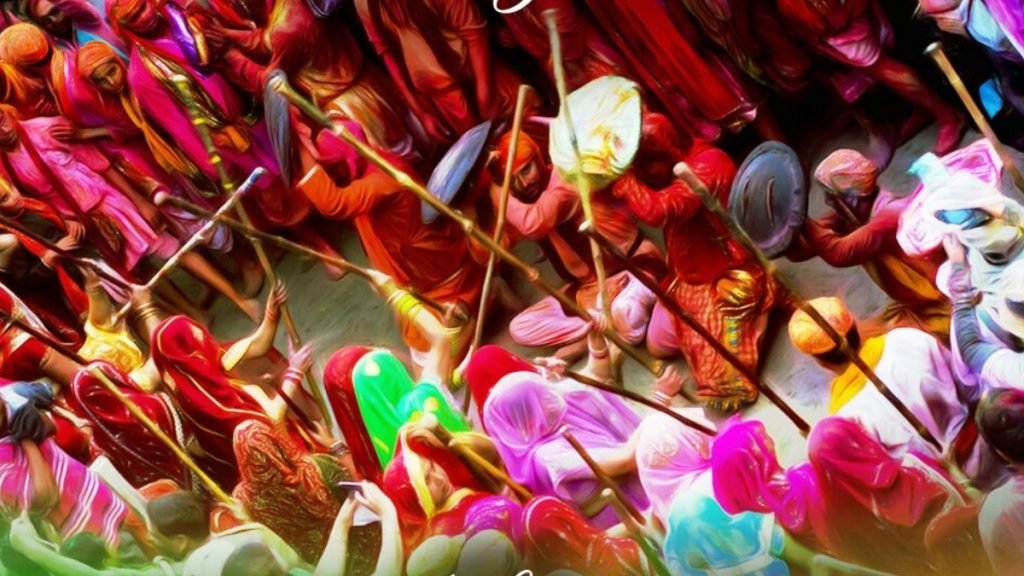
The Holi that is celebrated in a specific region of Uttar Pradesh is quite interesting. It is celebrated in the districts of Barsana, Mathura, and Vrindavan. The Holi, known as “Lathmar Holi,” is observed one week prior to the holiday. Fascinatingly, as part of the tradition, the ladies chase the males and beat them up playfully with lathis (sticks). In turn, the men arrive equipped with shields to defend themselves. Those that are caught are forced to dress as women. This strange custom is thought to have its origins in a story about Lord Krishna visiting his lover Radha and making fun of her and her friends. The women allegedly chased him away with lathis in revenge.
A day after Holi, Nihang Sikhs in Punjab celebrate “Hola Mohalla,” which includes a display of martial arts, wrestling (khushti), poetry readings, and colourful displays. In the 18th century, Guru Gobind Singh established this custom.
This festival is a 5-day celebration known as “Yawol Shang” in Manipur. Each day is observed in remembrance of God Pakahangba and has its own traditions and customs. The final two days are spent practising with colours and water.
The festival of colours is known as “Manjul Kuli” in Kerala and is a tranquil 2-day event. People go to temples and pray on the first day. On the second day, people spray each other with coloured water that contains turmeric while engaging in some traditional singing and dance.

People from different states may celebrate Holi under a variety of names and according to varied traditions. But the spirit of Holi, which is the same everywhere it is celebrated in the nation and even around the world, is what makes it so distinctive and remarkable.