 selectvenue
One of the significant Hindu holidays honouring the Sun God, Lord Surya, is Makara Sankranti. The sun begins its northward, or uttarayan, motion on this fortunate day and advances toward the northern hemisphere. So it is known as Uttarayan.
The end of winter is signalled by Makara Sankranti, when the days start to get longer and the nights get shorter. Prior to this, the Sun was positioned in the southern hemisphere, where winter nights are typically longer than daytime hours. It is also acknowledged as the start of spring. Another popular myth holds that the Sun, or Surya, enters Capricorn on this auspicious day.
Hindu mythology and scriptures hold that the dakshinayan movement represents God’s darkness, which is regarded as the darkest time and is not a lucky time; it is characterised as unlucky. However, the uttarayan movement refers to God’s day, which is exceedingly fortunate and beneficial. Additionally, it is said that on this day, Surya, the Sun, pays a visit to his son Shani, the swami of Makara Rashi, or Capricorn, who is Saturn. Consequently, it is a festival that emphasises the close relationship between a father and son. This is the story’s religious component. The primary purpose of Makara Sankranti is to celebrate the harvest of the rabi crops. Therefore, this celebration has both religious and cultural significance. It has a lot to do with how we live.
It is the only festival that is observed differently across India. One of the fortunate and auspicious days for Hindus is Makara Sankranti. We move from darkness to light because the Sun God is a representation of light. It is one of the few Indian festival that are observed in numerous states, and it always falls on January 14 or 15.
Makar Sankranti is an auspicious day in the Hindu calendar for the worship of the Lord because Hindus worship the Sun God, or Surya Deva. Despite the fact that there are 12 Sankrantis in all, Makar Sankranti is the most important and is therefore celebrated across the country along with a number of spiritual rituals.
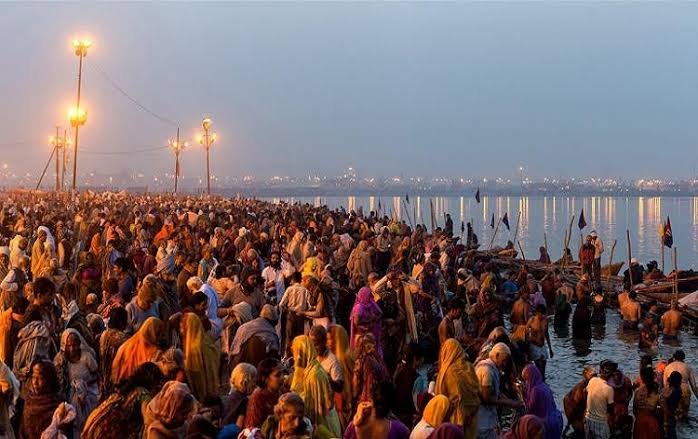
In the waters of holy rivers like the Ganga, Yamuna, Godavari, and others, devotees bathe in devout devotion. It’s a sign that all of their transgressions have been forgiven and that from this point forward, prosperity will rule. Along with honouring the Sun God, they also revere animals like livestock and cattle. Additionally, they engage in charitable endeavours and provide food and clothing to those in need.
A popular Hindu belief goes, if someone dies on Sankranti, they are not reborn; instead, they go to Heaven.

Makar Sankranti is celebrated unanimously in India. While the festive spirits remain the same throughout, Makar Sankranti takes myriads of forms and names throughout the country, with a variety of legends to go by as the origin of the celebration in any particular state.
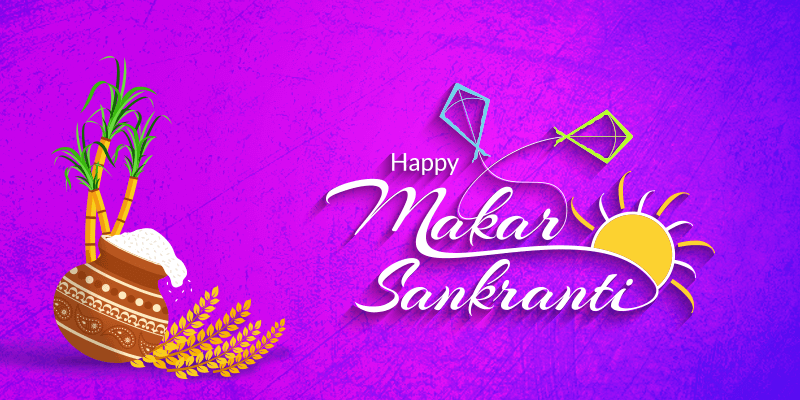
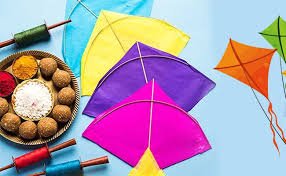
People in North India celebrate this day by the name of Makar Sankranti. One of its distinctive features is kite flying. The sky changes its colour from blue to a colourful one as kite enthusiasts fly zillion of colourful kites. Healthy rivalry to outdo each other in kite flying and capturing as many kites is the real deal of kite fest.
Uttarayan in Gujrat:

Gujarat has a unique international kite flying festival as well as a particularly special celebration of Makara Sankranti. People congregate on terrace tops with their colourful kites after morning prayers and puja. There are numerous kite contests and games that take place. It is reported that words like “Kai po che” are used to mock the losing team. People share sweets with one another, such as chikki made of sesame seeds and peanuts and a particular Undhiyu concoction (a mix of winter vegetables). The state observes the holiday in a distinctive way.
Magha Saaji – Himachal Pradesh

Magha Saaji is the name of the month since Saaji is the regional term for Sankranti. People bath in holy water or take a holy dip in the rivers to celebrate the arrival of spring. When they visit friends and family, they exchange ghee and sweets like chikki or khichdi (clarified butter). On this day, a lot of charity work is done, donations are made, and locals also go to temples to pray and seek God’s blessings. Folk songs are sung and dances are performed to enjoy the evening.
Poush Parbon – West Bengal:
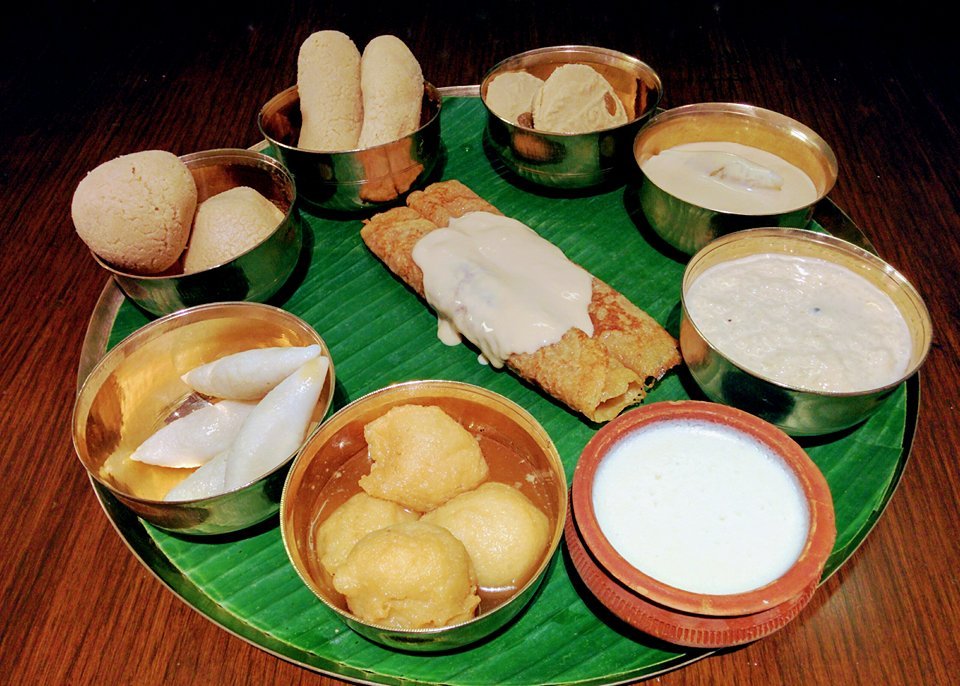
West Bengal celebrates Poush Parbon with delectable sweets and the aroma of freshly cut/harvested rice. Some of the sweet delights from the state are til ladoo, coconut ladoos, and maalpoaa. The event, which ushers in the Hindu month of Magha, occurs on the final day of Poush. It is named after the month as a result. Sweets and delights are made with special palm jaggery. On the day of Sankranti, people worship the goddess Lakshmi. Ganga Sagar Carnival begins in West Bengal, a famous state. People flock to the confluence of the Ganges and the Bay of Bengal to take holy baths early in the morning and worship Lord Shiva and Goddess Ganga on this auspicious day.
Pongal – Tamil Nadu:
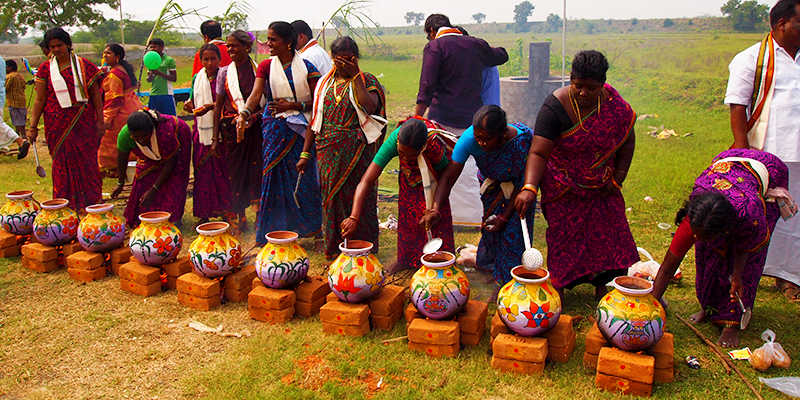
Each day of Tamil Nadu’s four-day Pongal celebrations has a unique meaning. People clean and decorate their homes, put on new clothing, and get rid of their undesired old items on the first day. The primary Pongal day is the second day, which is when people celebrate by eating a variety of sweets and sweet rice dishes. Rice is left to boil over the pot while being combined with milk and jaggery. There is a particular cry uttered and Pongal is celebrated the moment the rice boils over. The folks share the rice after it has been offered to God. The other two days are spent worshipping the livestock and giving sweets and presents to family.
Sakraat or Khichdi – Bihar and Jharkhand:

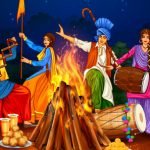
In Bihar and Jharkhand, the celebration lasts for two days, during which time devotees take holy baths in rivers and ponds early in the morning and then light bonfires on which they throw sesame seeds. Sesame seeds and jaggery are used to make sweets, including a unique treat called tilgud. The ladies of the village gather to celebrate the festival while making the delicious and nutritious food khichdi, a one-pot dish made of rice cooked with veggies.
Bihu in Assam:
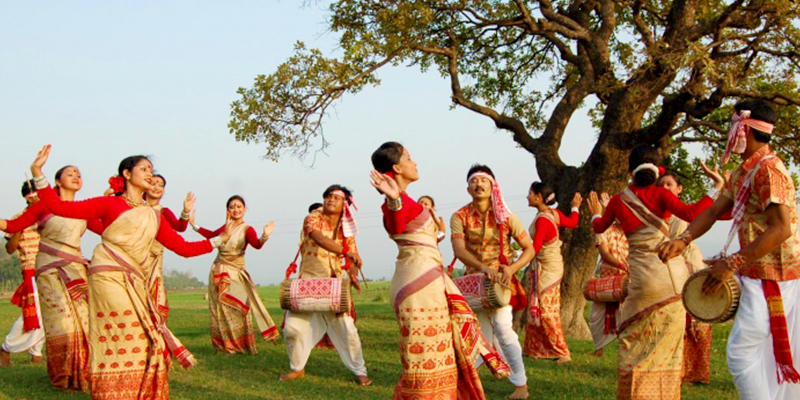
In Assam, it is celebrated as Bihu to celebrate the end of the harvesting season as corps are ready and stored in houses. People celebrate it by feasting, bonfires and making and distributing sweets.
Makaravilakku – Kerala:
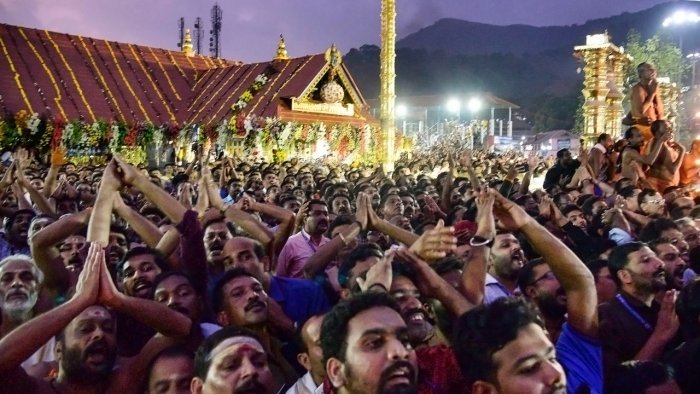
In Lord Ayyappan’s holy shrine of Sabarimala, Kerala observes Makar Sankranti as Makaravilakku and is marked by the Thiruvabharanam (the lord’s sacred ornaments) procession and congregation. The temple witnesses over half a million devotees who visit Sabarimala on Sankranti for the Lord’s darshan.
With such dispersion of various communities across the country, the borders might change but the festival of Makar Sankranti resonates with memories of household rituals and traditional customs tied strongly with the thread of sentiments, values and faith.