 selectvenue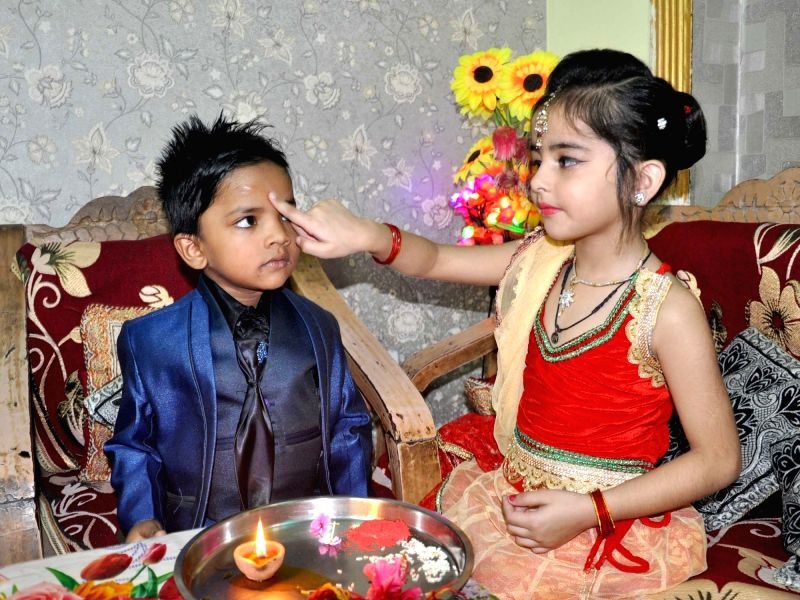
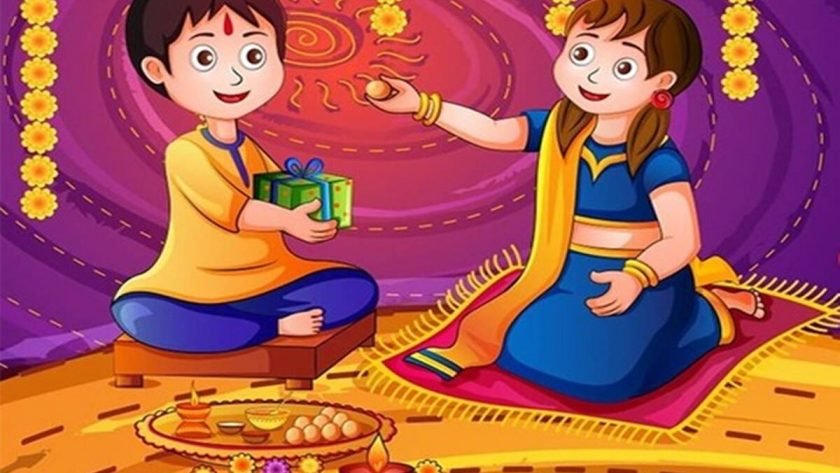
India celebrates the unconditional love and bond between brothers and sisters in two ways – either as Rakshabandhan or as Bhai Dooj. While Raksha Bandhan is the tying of a rakhi (thread) on the hand of a brother by his sister, whereas Bhai Dooj is putting a mark of Vermilion, known as Tilak, on the forehead of her brother.
Bhai Dooj celebrates the bond of brother-sister love and marks the end of the five-day long Diwali celebrations. It is known by many names throughout the country- Bhau Beej (in Goa, Maharashtra and Karnataka), Bhathru Dwithiya, Bhau-Deej, Bhai Phota (in Bengal), and Ningol Chakuba (in Manipur), etc.
It showcases the brother-sister bond and the knowledge that we are together in this world and united as a part of a larger family and community. Like other Indian festivals, it is celebrated with much fun, gaiety, and enjoyment by all.
Bhai means brother, and Dooj means two days after Diwali in Kartik month of the lunar calendar. On this pious day, every sister prays for a healthy, long, and bright life of their brothers, and in return, brothers give gifts and cash to their sisters.
Legends behind Bhai Dooj
The story of Lord Yamraj
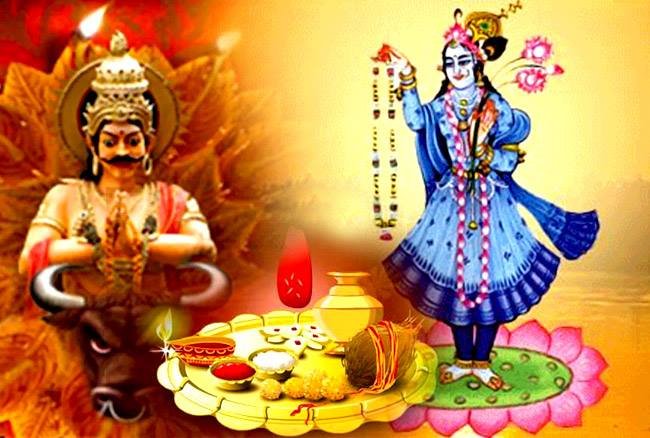
As per the Ancient Mythology, in the Kartik month of Hindu solar calendar, on the ‘Shukla Paksha Dwitiya’, Lord Yamraj (the god of death) visited his sister Yamuna. She gave a grand welcome to her brother by performing the sacred aarti and applying ‘tilak’ on his forehead. She offered the special delicious dishes that she had prepared for Yamraj. In turn, he showered his blessings on Yamuna. It was on this day that Lord Yamraj gave a boon stating that if on this day, any brother would visit his sister then he would be blessed with utmost health and wealth. Due to this reason, this day is also referred to as ‘’Yam-Dwitiya’’.
The Story of Lord Krishna
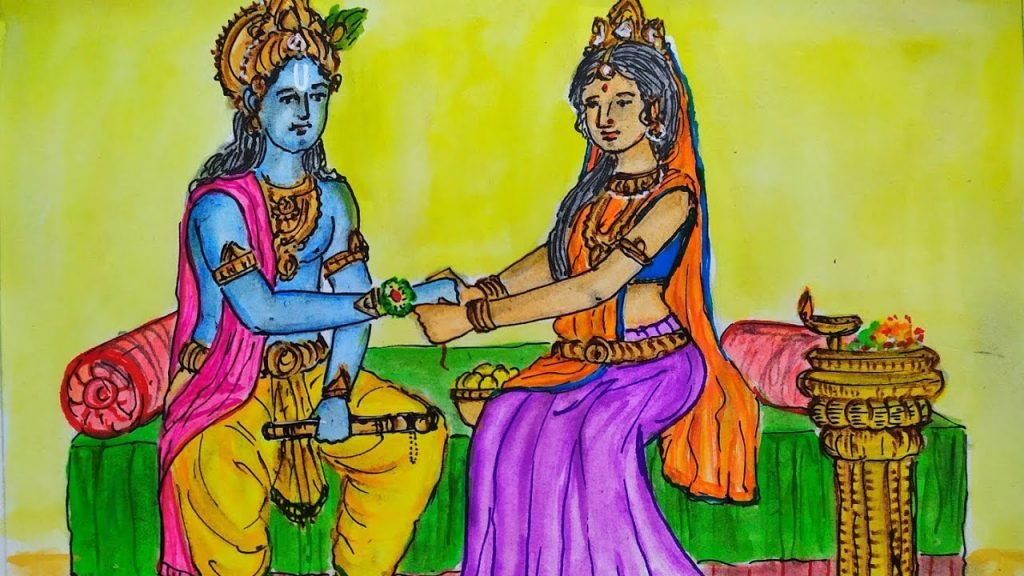
According to another legend, on the second day after the new moon day, Lord Krishna visited his sister Subhadra after killing the Demon King Narkasura. Just as Yamuna had given a grand welcome to Lord Yamraj, in the similar manner, Subhadra also performed the aarti, applied tilak on Lord Krishna’s forehead and sprinkled flowers over him.
Significance of Bhai Dooj
Just like all important Indian festivals, Bhai Dooj is attached to specific characters and personalities which helps the people of this country to understand and know the true significance and uniqueness of the festival. Bhai Dooj is one of the most awaited festivals dedicated to strengthening the bond between siblings.
The story of Bhai Dooj has been carried forward either by word of mouth or through articles, literature, and stored scriptures. With heartfelt love, sisters apply the red tilak on the forehead of the brother, giving him the eatables of his choice and in return receiving the gifts. The celebration comes to an end after praying to God for a long and successful life of the brother and after taking the blessing of all the elders in the house.
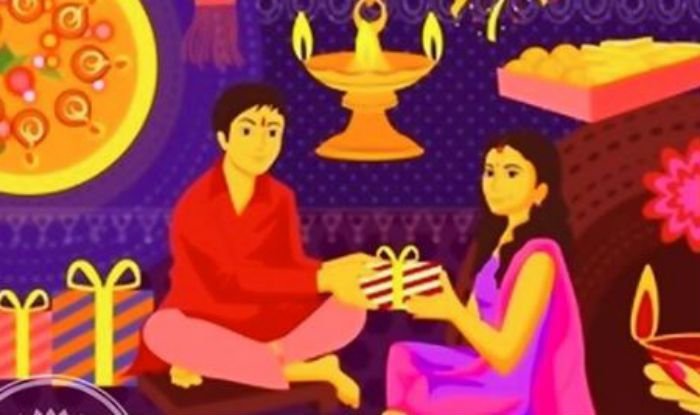
As per the tradition, if the brother lives in a far away place from her house, in that case the sister sends her sincerest prayers for the happy life of her brother through the moon god. She worships the Moon God by keeping a fast and performs aarti in the evening. This is the reason behind calling Moon as Chanda mama (Chanda means moon and mama means mother’s brother) by the children of a Hindu family.
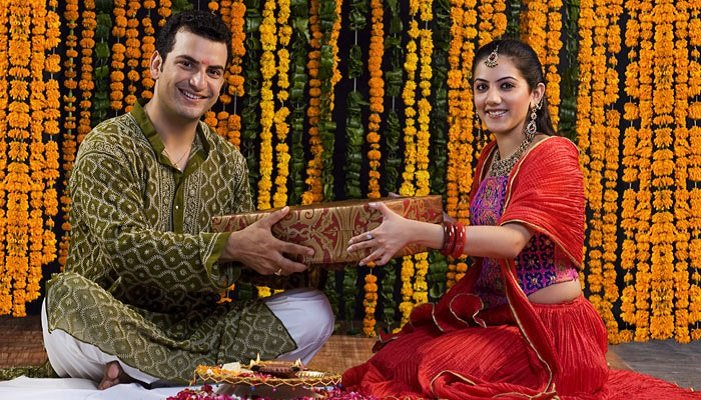
Apart from having delicious sweets and exchanging beautiful gifts, Bhai Dooj also signifies the everlasting bond shared by a brother and sister. It is also believed that the festival of Bhai Dooj strengthens this bond, protects them from all evil forces and brings new hopes and aspirations into their lives.
Traditional Celebrations
According to the rituals, sisters prepare the sacred thaali, apply ‘tilak’ on the foreheads of their brothers, perform the aarti and pray for their well-being and brothers take a pledge to keep their sisters safe.
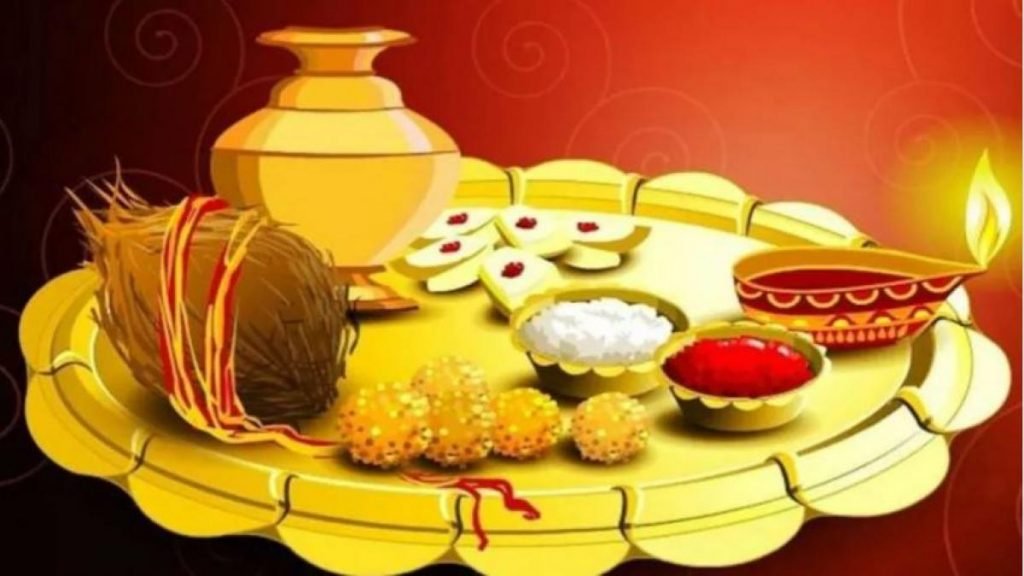
Rituals Associated with Bhai Dooj Festival
This day is celebrated with a lot of excitement.
- Unlike Raksha Bandhan, there is no tradition of tying a rakhi on the wrist of the brother. However, the brother does take a vow to protect his sister, much like in the festival of Rakhi.
- In Nepal, seven colors are used during the Tilak ceremony.
- In how to lose 30 pounds in a week West Bengal, sandalwood paste, as well as kajal, is used to put a tilak on the brother’s forehead.
- In Haryana and Maharashtra, those sisters who do not have a brother worship the moon on this auspicious day.
- Kheerni poori or Busundi poori is particularly made in Maharashtra on this occasion and is a much-loved delicacy of the region.
- Khaja, a snack that is made with wheat flour and sugar, is extremely famous in West Bengal during this festival.
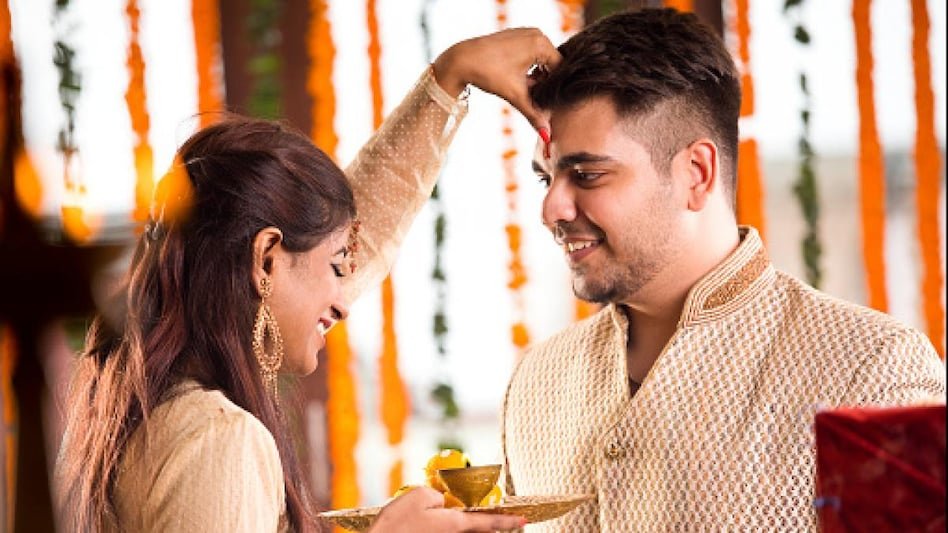
The essence of the Bhai dooj festival is that it is celebrated to strengthen the love between brothers and sisters. It is a day of food-sharing, gift-giving and reaching out to the inner most depths of their hearts.