
 selectvenue
If anyone in your family suffers from the following conditions, doctors can advise you to seek home treatment.

- carries the coronavirus (COVID-19)
- COVID-19 was checked, and the findings are pending.
- has signs of the flu (like a fever, cough, and sore throat)
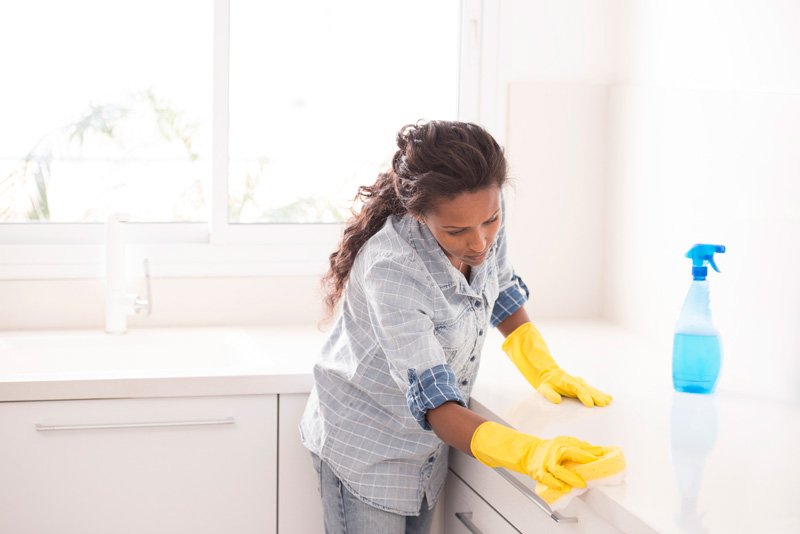
If they need medical attention, someone who is ill or unsure if they have COVID-19 can stay at home. This aids in the prevention of the disease from spreading to others.

What Should We Do at Home?

To protect others at home, someone who is sick should:

- Avoid any people and dogs in the house as far as possible.
- If they must be in public, they must wear a mask.
- Children under the age of two should not wear masks, and someone who has difficulty breathing should avoid wearing them.
- Check out the CDC’s guide for more information on masks.
- Coughs and sneezes should be covered with a towel, discarded, and hands should be washed as soon as possible.
- If at all practicable, sleep in a different room and use a toilet apart from the rest of the house.
- Do not swap plates, bottles, cups, or feeding utensils with other members of the family. With each use, wash them in hot soapy water or put them in the dishwasher.
- Using your own bedding and towels and don’t share them with anyone else in the home.


To protect those in the household,
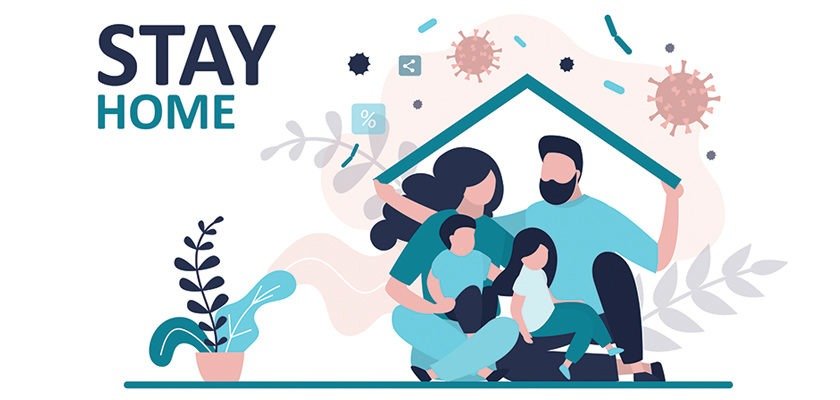
- The ill person should stay at home until they need medical attention. This is referred to as loneliness.
- Other family members can still rest at home. Quarantine is the term for this situation.
- Follow the doctor’s, local health department’s, or CDC’s recommendations on who should stay home and for how long.

When Should I Call the Doctor?
If the person you’re caring for seems to be getting sicker, call your doctor right away. Tell the doctor about their symptoms and whether they’ve been tested for COVID-19.

If they need to go to the doctor:
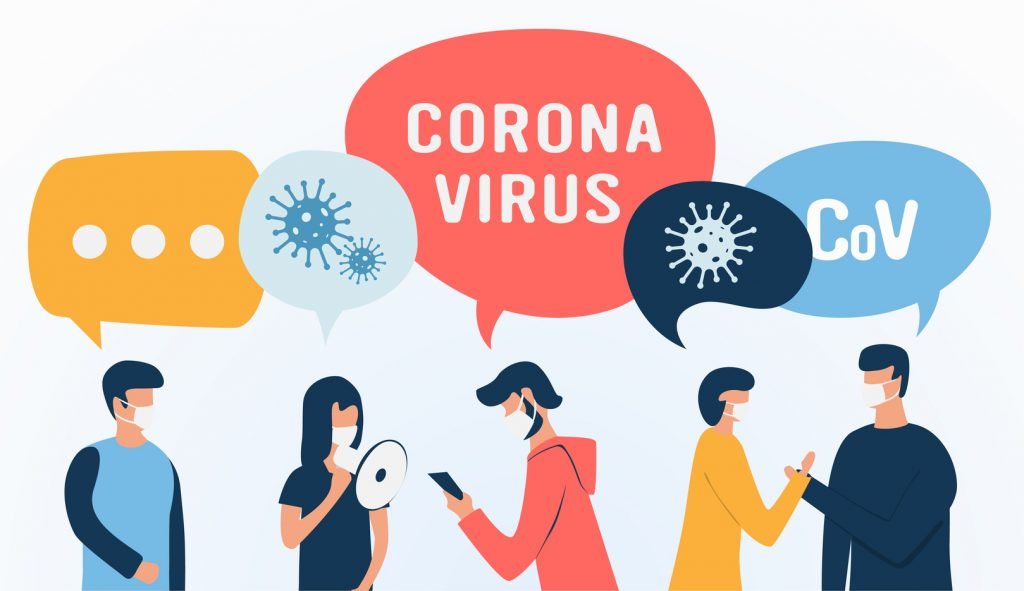
- The person should wear a mask.
- Keep tissues handy in case they need to cough or sneeze.

What Else Should I Know?
If you’re caring for someone who has COVID-19 or who has symptoms, keep taking these precautions until your doctor or local health department says it’s safe to stop doing so. Also, tell other people who may have been in close contact with the infected person. They can speak with their doctor or local health department about getting tested or quarantining.


Check the CDC and World Health Organization (WHO) websites for up-to-date, reliable information about COVID-19.