 selectvenue
In the prevailing wedding industry, gender-neutral wedding terms (i.e. phrases that are not limited to the binary of man/woman) are becoming increasingly popular. These phrases aren’t only important for LGBTQ+ couples and individuals; they’re also a good practice to begin with as the wedding business and society are moving towards a more inclusive environment.
So why not use phrases that includes all kinds of lovers? Without any further delay , let’s get into this language to use during your all-inclusive wedding with the given list of gender neutral wedding terms you should know .
“Marriage should be between a spouse and a spouse, not a gender and a gender.”
― Hendrik Hertzberg
Nearlywed
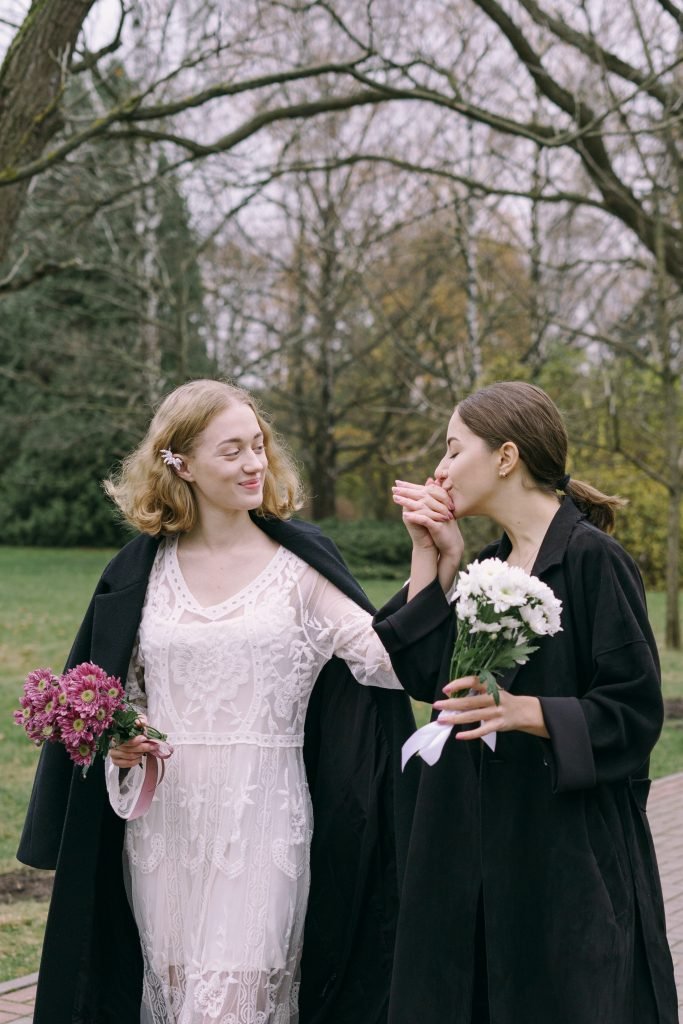
When looking to replace “bride and/or groom” or “bride and/or groom to be,” “nearlywed” is an amazing term to use. It portrays that someone is in a relationship but does not specify the gender. Of course, “engaged” or any of the other terms we’ve mentioned below can be used, but because “newlywed” is already in use, “nearlywed” is a very good alternative to use before the wedding.
Fiancé

The word ‘Fiance’ is certainly familiar to you, but you may not be aware of the fact that it is already gender-neutral . Despite Apart from the fact that there is another spelling for a woman (i.e. “fiancée”), whether said or written, “fiancé” can be a gender-neutral noun. And it doesn’t have to suggest gender-identity when put in use unless the speaker specifies gender. While cisgender and heterosexual partners can and should use these phrases to increase usage and make them more common, they also prevent LGBTQ+ or non-binary couples from being outed in public.
Partner(S), Significant Other(S), Couple
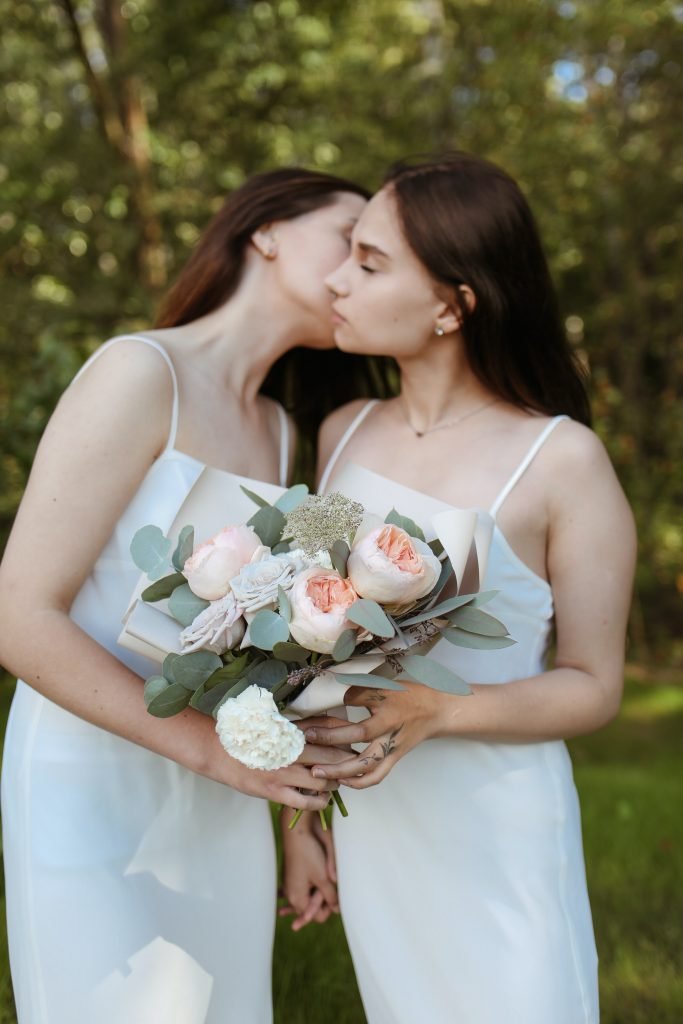
“Partner,” “couple,” and “other important people” are excellent ways to refer to a person or people in a relationship without talking about sex. The difference between this and the term “newlyweds” is that they do not refer to marriage. This separates them from the terms “boyfriend” and “girlfriend,” as well as “bride,” “groom,” “husband,” and “wife.” Although we all aim to “define cooperation” when the time comes, it is not up to you to tell the other couple where you should be in their relationship. These terms are applicable to any type of relationship in advance, whether they do not believe in marriage or cannot legally marry for some reason.
Newlywed
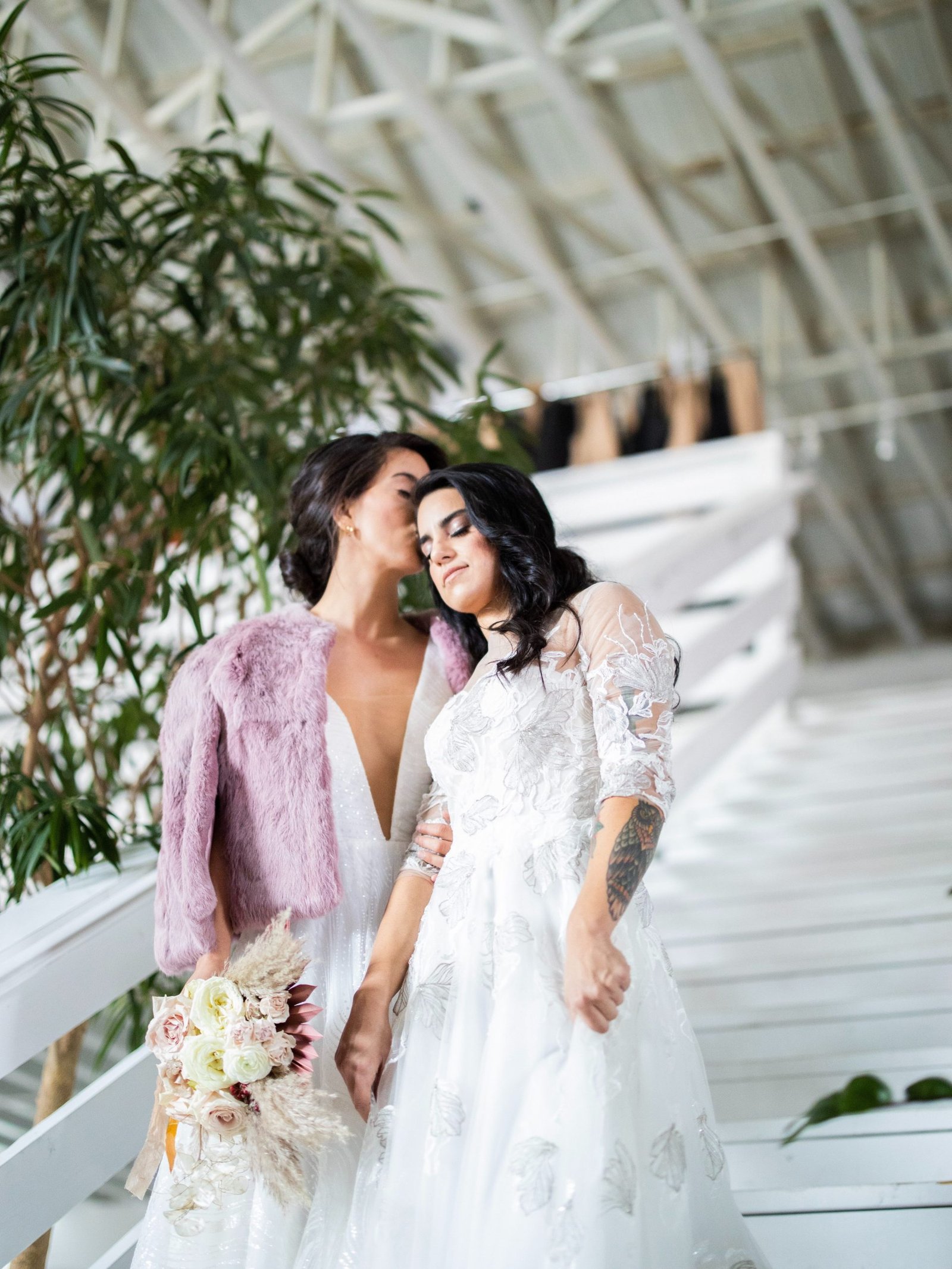
“Newlywed” is another definition of non-sexism by definition. It is similar to “newlyweds,” but it is used after the wedding than before. It can replace, at least temporarily, the words “wife” and “husband” by describing newlyweds! “Newlywed” is an excellent example of a word that has already been widely used and thus to be a shift in gender-neutral language. While it is helpful to know the terms of both non-binary or non-sexual relationships, it is also easy to use the unifying language regardless of the couple’s sexual identity.
Spouse
“Spouse” is similar to “newlyweds” because it refers to married people. The main difference is that it can refer to long-term married couples, as opposed to the term “newlyweds,” which refers only to newlyweds. Using the word “spouse” instead of “husband” or “wife” is an easy way to get used to the unifying language. When you send an e-mail to a group of married friends to invite them to a dinner party, it is much easier to say “partners are invited” than “men and / or wives.”
Bachelorx
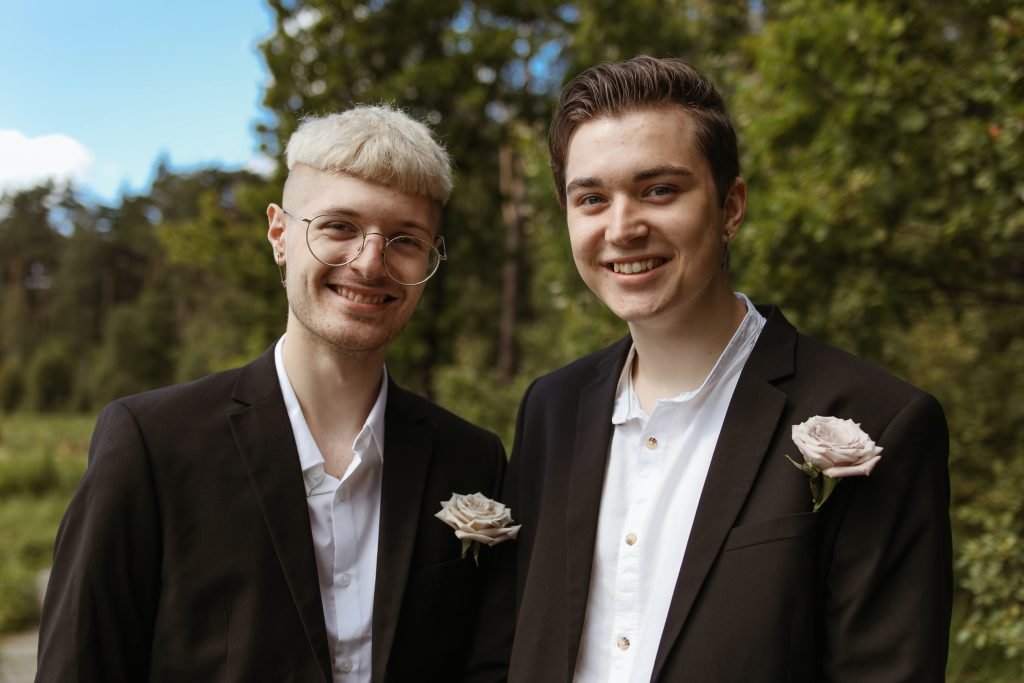
Bachelorx (pronounced bachelor-ex) is the flexible term for bachelor and bachelorette. The suffix “x” is a commonly used element to create more specific terms by removing traditional gender elements and replacing them with “x” – in this case, “ette” in bachelorette. Sexual orientation and sexuality have a long history in bachelor and bachelorette parties, but that is the subject of another topic. Changing the vocabulary we use to describe these events is the first step in making sure they have an inclusive future, including the fact that non-binary people can have a fun time with their wedding party.
Best Person/Person Of Honor
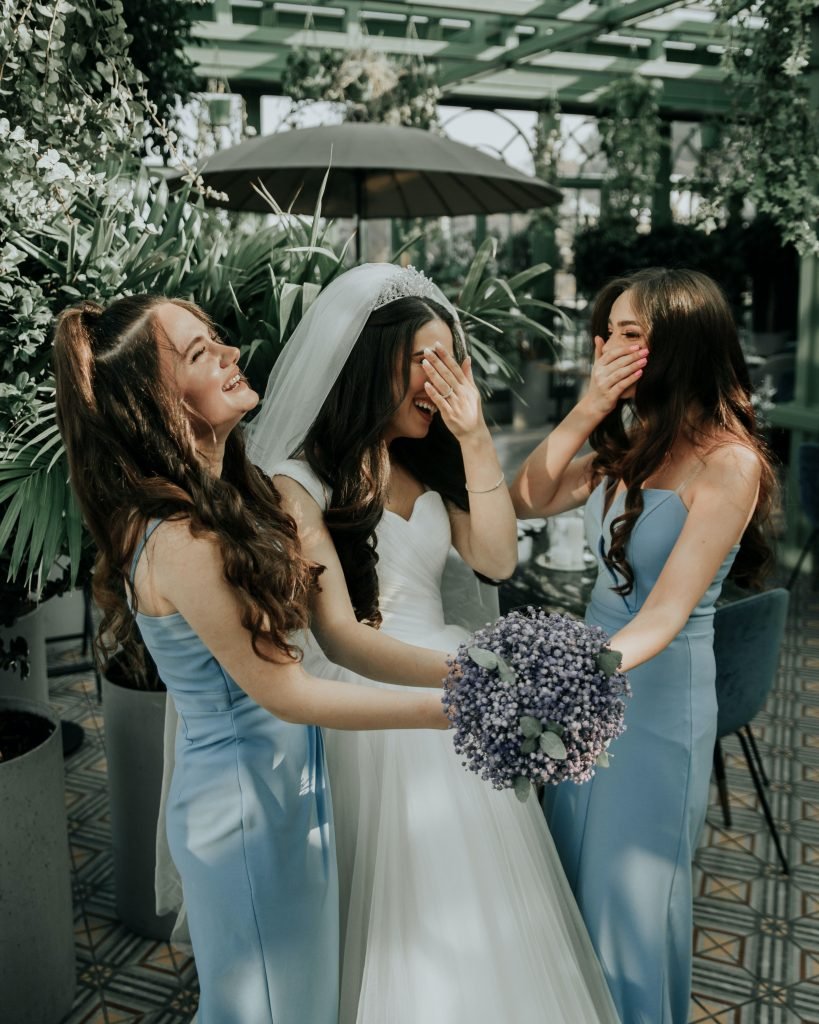
“The best person” or “the most honorable” marriage mate is the one who is always sexually promiscuous in order to replace “the best man” or the most “Maid of honor” in the world. Other non-traditional topics in this passage include “the best woman” and “Man of honor,” both of which we support, but substituting the word “man” for any non-sexual name allows for greater diversity and respect. We do not want to remove this name completely because they are the people you will depend on during your marriage. Finding a language that suits you and your loved ones is the future of an inclusive marriage language.
Wedding Party/Attendants
Replace the terms “bridesmaids” and “groomsmen” with “attendants” or just refer to them as members of your wedding party. Because not every nearlywed prefers to have all of their wedding party attendants be of the same gender, referring to them as “attendants” or just “wedding party” in general can relieve some strain and give them the opportunity to mix it up. These are some of the most important persons who are a part of your wedding celebration, just like the person of honor or best man.
Mx.
Many non-binary and/or gender fluid people may prefer the title “Mx” (pronounced “mix”) to the gender-specific titles “Miss,” “Mr,” and “Mrs.” As a result, this phrase may be handy for those who don’t want to use those titles. It’s also useful in circumstances where a person’s gender identity does not need to be expressed or is really unknown. Consider all the networking emails you’ve written where the recipient’s name isn’t gender-specific more “To whom it may concern.” Gender neutral wedding terms has a lot of applications outside of ceremonies and relationships.
If you are planning a wedding, you may already have members of your wedding party, or guests, on your guest list who use gender-neutral terms that you may already know. Use what they like when you guide your wedding design principles, or return to this guide whenever you need help. A sensitive approach as we work towards an inclusive future, no matter what the type of wedding event.