 selectvenue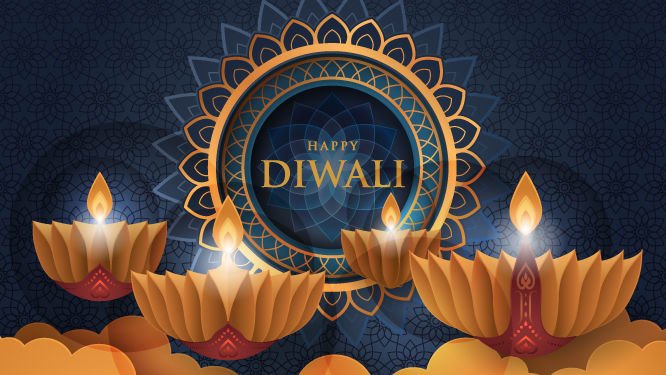
The festive time of “Deepavali”, The Festival of Lights marks new beginnings and the triumph of good over evil, and light over darkness. Also popular as Deepavali or Diwali the ‘Festival of Lights’ coincides with harvest and new year celebrations. The word Diwali comes from the Sanskrit word Deepavali, which means a row of lights. [Deep = light and avali = a row]. It is one of the most prominent festivals in India.
The celebration is usually held in the months of October or November. During the celebration, the entire country is bathed in light and glitters with delight.
Why is it celebrated?
The right purpose of the festival isn’t known. Some assume that it is related to the triumph of Lord Krishna over Nakrasura. Some celebrate Diwali as a commemoration of the marriage of Lakshmi and Vishnu, while others observe it as the birthday of Lakshmi.
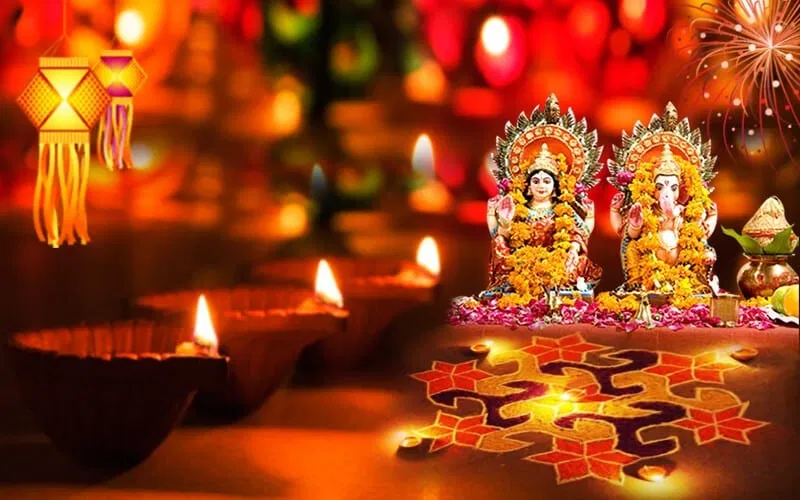
Regardless, the most dominating conviction is that the festival signifies the triumph of Lord Rama over Ravana. On this day, it is assumed that Rama came back to Ayodhya after his triumph over deviousness Ravana of Lanka who had taken away his life partner, Sita. People inconceivably cheered the landing of their venerated ruler. They lit up the whole Ayodhya with earthen lights, decorated their homes and welcomed them with display and administration. The present day merriment of Diwali is held in acknowledgement of this event.
Diwali is also an important festival in Jainism. For the Jains, the festival commemorates the enlightenment and liberation of Mahavira, the most recent of the Jain Tirthankara, from the cycle of life and death. The lighting of the lamps celebrates the light of Mahavira’s holy knowledge.
Since the 18th century, Diwali has been celebrated in Sikhism as the time of Guru Hargobind’s return to Amritsar from captivity in Gwalior—an echo of Rama’s return to Ayodhya. Residents of Amritsar lit lamps throughout the city to celebrate the occasion.
Although not a primary festival of Buddhism, Diwali is celebrated by some Buddhists as a commemoration of the day when Emperor Ashoka converted to Buddhism in the 3rd century BCE.
In Bengal and other parts of Eastern India, Goddess Kali is worshipped on this day. This is known as Shyama puja.
Significance of Diwali
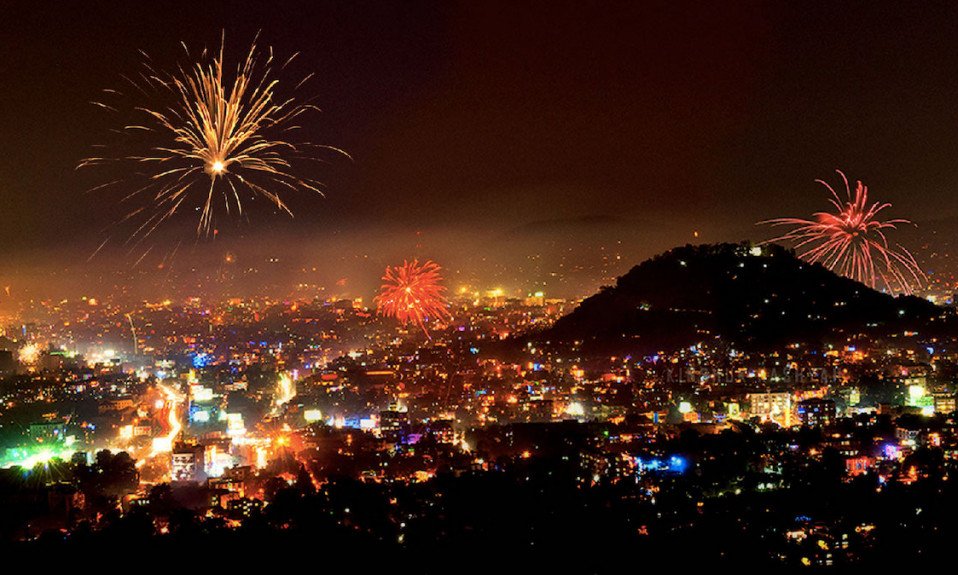
The festival of Diwali symbolises the victory of light over darkness, knowledge over ignorance, good over evil, and right over wrong. It is an occasion of high spiritual value as it signifies the opening of our own true light which sparkles within us and sharing this glow with others as well.
When we ignite a candle or an oil / ghee lamp, it is to open light in the physical space. Similarly, on the auspicious occasion of Deepavali when blessed candles and lamps are lit, they illuminate the energetic pathway to Open the Light within us.
Deepavali is the celebration of our inner light over spiritual darkness, of knowledge over ignorance and right over wrong.
On this day, the energies of Light take over darkness to spread love, joy, positivity and enthusiasm.
Preparations and Celebrations
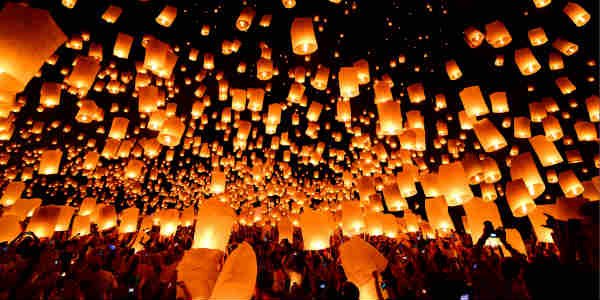
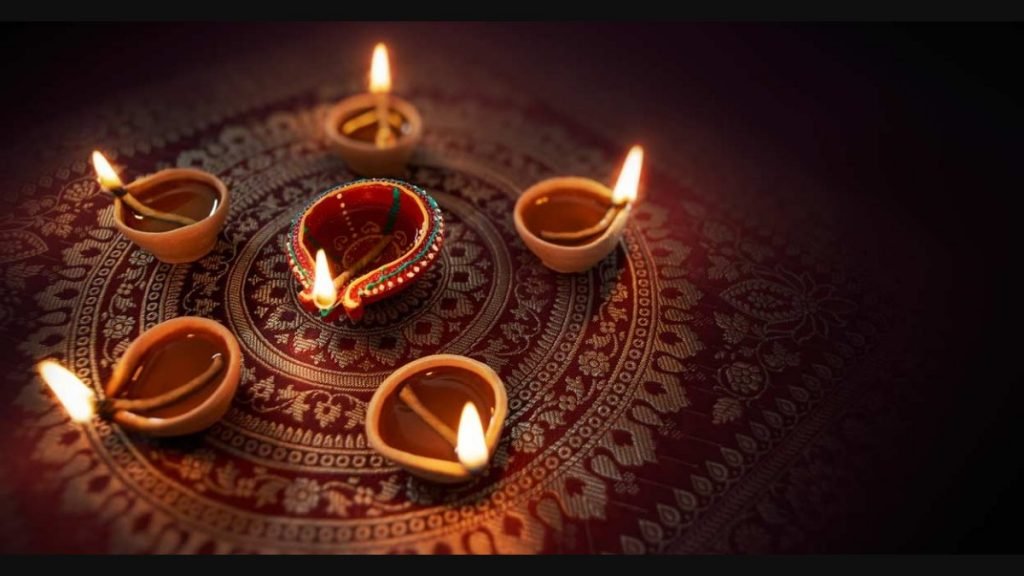
Deepavali is celebrated with immense faith and enthusiasm as a time to refresh and renew all energies. On this occasion people start preparations days in advance by cleaning, renovating, and decorating their homes and work place with flowers, colourful glow lights and many fancy decorations to invite Light energies of wealth, prosperity and well being into their lives. They also perform prayer ceremonies, light oil lamps (divas) and candles.
It is time when people give gifts to family and friends. In addition to the abundance being observed, charity and selfless giving are practised, in line with the theme of “it is in giving that you receive”.
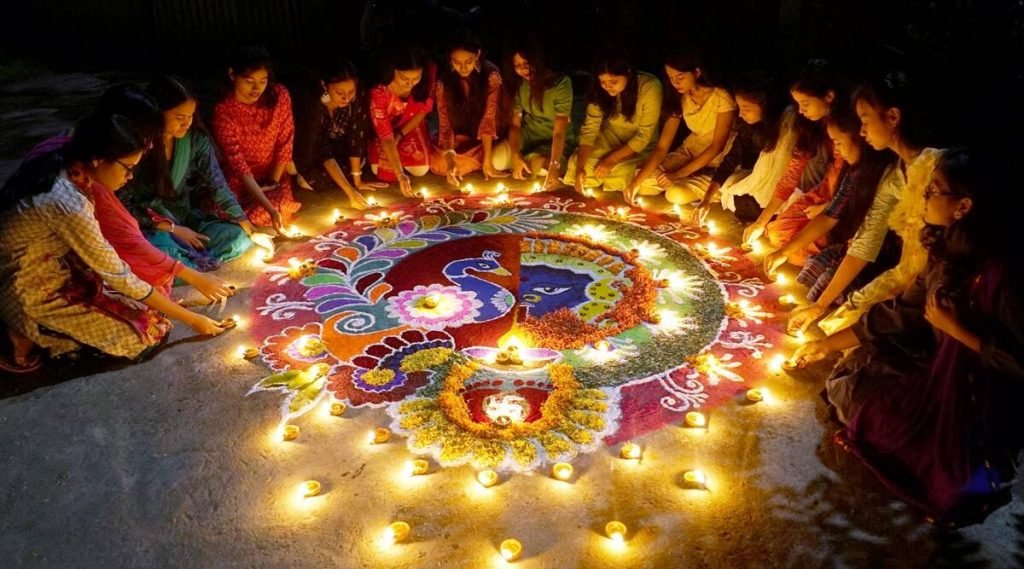
It is a festival of fun and happiness. People decorate their homes and offices with various lights, cook delicious food, exchange gifts, and share happiness. Indian businesses consider Diwali the first day of the financial new year. On this festival day, courtyards are decorated with colourful rangoli using colored powders or sand, and lamps are lit on the rangoli. People dress in new clothes, eat the delicacies, light lamps, and as the Sun sets, they burst crackers.
The celebrations for Deepavali usually extend over a period of five days, and the main festive night of Diwali coincides with the new moon night. The festivity starts with Dhanteras, followed by Naraka Chaturdasi or small Diwali and then Diwali on the third day. Thereafter is Diwali Padva or Govardhan Puja on the fourth day and Bhai-Dhuj on the fifth and last day of the 5 day long celebration. Each day of the festival has its unique significance.