 selectvenue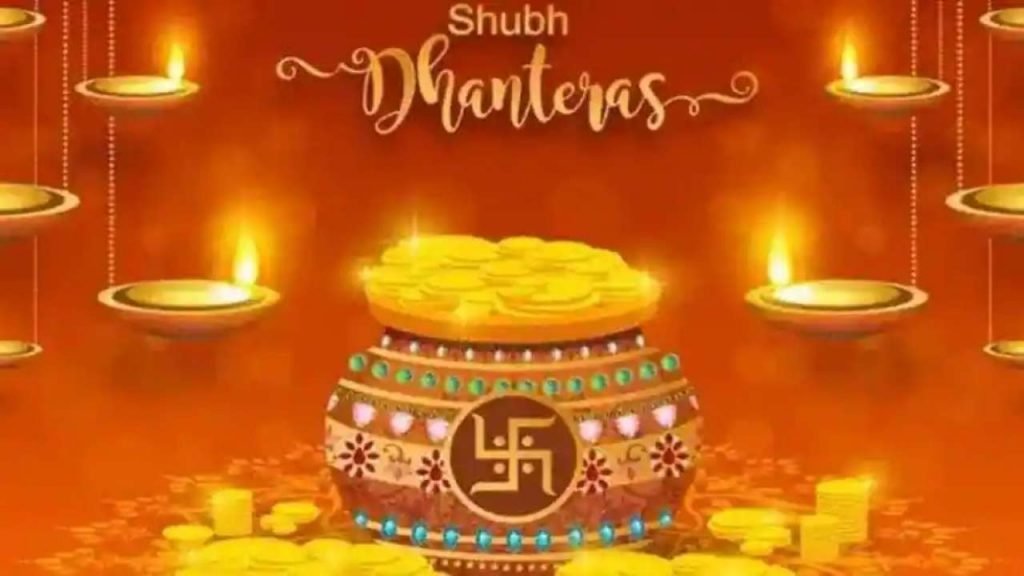
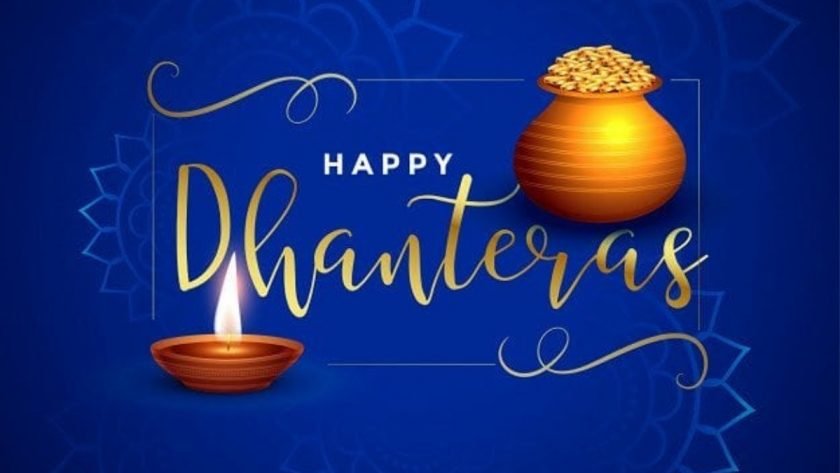
Dhanteras, also known as Dhanvantari Trayodashi, marks the beginning of the Diwali festive season. The word Dhan translates to wealth. The word Theras translates to 13th and is related to the 13th lunar day of the Krishna Paksha in the Hindu calendar.
When Dhanteras is celebrated?
It is observed two days before Diwali and falls on the thirteenth day of the dark fortnight of Kartik Month.
Why is Dhanteras celebrated?
Observed two days before Diwali Puja, it commemorates the birth of Lord Dhanvantari, the God of Ayurveda and the avatar of Lord Vishnu. Believed to have emerged from the churning of the ocean holding a pot filled with nectar in one hand and sacred texts in the other.
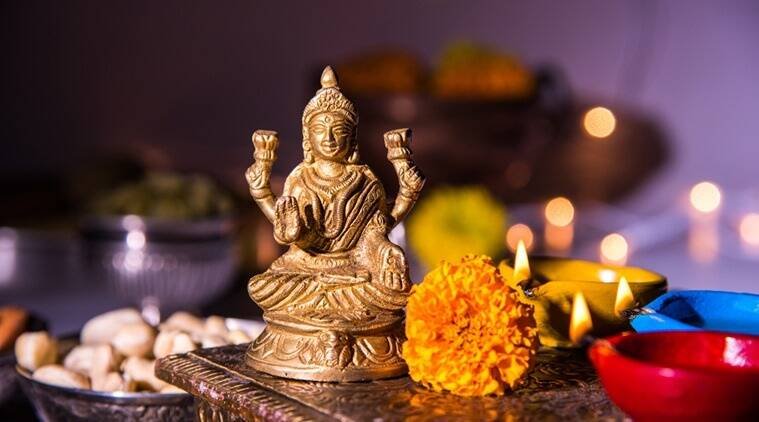
According to the popular legend of Samudra Manthan, Goddess Lakshmi emerged from the ocean during the churning of the ocean on the day of Dhantrayodashi. Hence this is also the reason that Goddess Lakshmi is worshiped on Trayodashi.
There’s one more story. According to the legend, astrologers predicted that the son of King Hima would be bitten by a snake and die on the fourth day of his marriage.When the day came, his wife made sure that he didn’t sleep and laid out her ornaments along with a heap of gold coins and silver coins at the entrance of the sleeping chamber. She also lit lamps at the door, narrated stories and sang songs to keep her husband from falling asleep. Lord Yama, the God of death, disguised himself as a serpent and made his way to the Prince’s chambers, but when he reached the doorstep, he was entranced and blinded by the brilliance of the lamps and jewellery that lay before him. Since he could not enter the chambers, he climbed to the top of the gold coins and sat there for the entirety of the night listening to the stories and songs that the Prince’s wife sang. When the sun rose the next day, the serpent silently left. Hence, thanks to his wife’s wit, the Prince lived to see a new day. That day is celebrated as Dhanteras.
Dhanteras Preparations
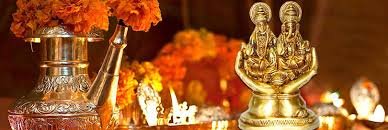
Dhanteras is marked with the performance of ‘Lakshmi Puja’ in the evenings. People sing devotional songs in praise of goddess Lakshmi. They light up tiny diyas to drive all evil spirits away. All household members attend the religious ceremony and offer fresh flowers, prasad, wheat and various pulses to the deity during the puja. On the night of Dhanteras, people light the lamps for entire length of the night. Traditional sweets are cooked and offered to the goddess. On dhantrayodashi little red footprints are made near the entrance of the house to symbolise the coming of Goddess Lakshmi.
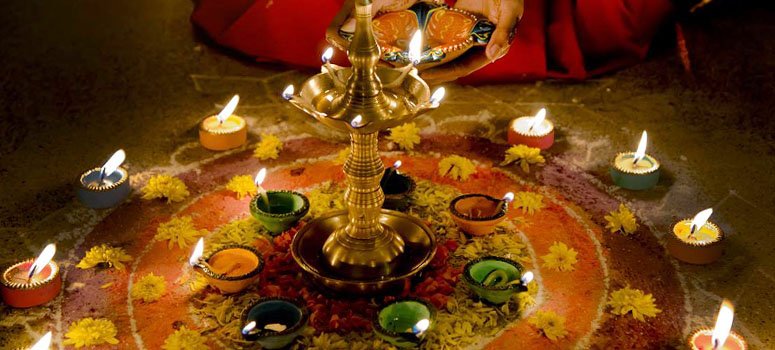
A square diya with four wicks is also lit up at the entrance and in the household to dispel negative energy. Dhanteras is also considered a highly auspicious day to buy gold and silver as these precious metals are said to protect one from bad omens.
Dhanteras is celebrated differently, in different parts of India. This is a very important festival for the mercantile community of western India. In the state of Maharashtra, people follow the custom of lightly pounding dry coriander seeds with jaggery and offering it as ‘Naivedya’. In rural areas, farmers adorn and worship their cattle, as they act as their main source of income. In south India, people consider cows as incarnations of goddess Lakshmi, and hence treat them with them particular reverence.
Gold and Dhanteras
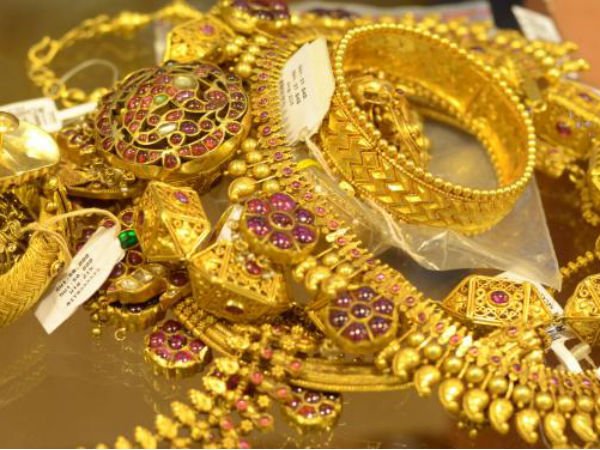
It is believed that gold symbolises good luck and shall come back in a much higher amount if bought on this day. And considering gold and other precious metals tend to have a higher resale value, it makes complete sense.
You will find jewellers all across India setting up exciting deals during this time and many people flocking to buy jewellery, even if it means just buying gold coins as part of the tradition.
On the whole, Dhanteras is the beginning of Diwali and an auspicious day when people invoke the blessings of the divine deities for wealth and prosperity.
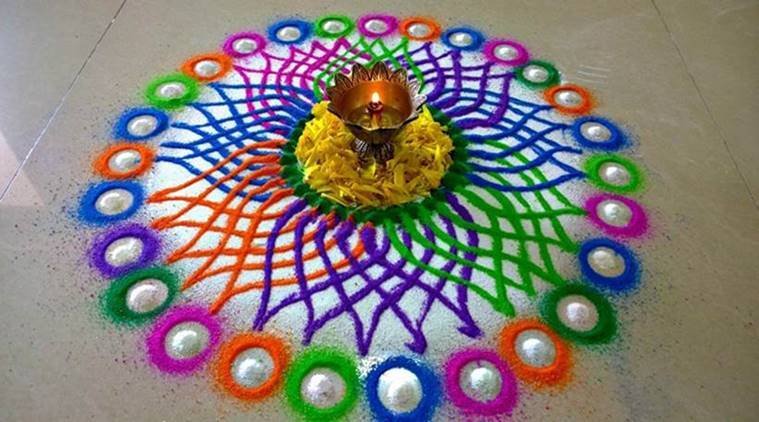
It is a common custom to buy brooms on this day as it is considered auspicious. The houses and workplaces are cleaned for this festival. Enormous and vibrant Rangolis are drawn in the house. Rows of lamps are lit around the house. Sweets and gifts are exchanged among friends and family. Symbolically, the actions associated with Dhanteras indicate the end of darkness, sorrow and haplessness by lighting the lamp of happiness and prosperity.