 selectvenue
 Eid ul-Fitr is a very important festival in the Islamic calendar. Ramadan, the Islamic month of fasting and purification, comes to a conclusion on Eid-ul-Fitr, also spelled Eid-al-Fitr. Eid-ul-Fitr, which means “holiday of breaking the fast” in Arabic, and it is recognised as the appropriate time for official visits to family and friends because of its religious significance. Greetings and gift-giving are the main goals of these visits. People are dressed newly, and joy permeates the entire environment. Lesser Eid is another name for it, and it is best used for charitable giving, special prayers, etc.
It is an essential component of fasting or spiritual dedication and is regarded as one of the five pillars of Islam. After ending a fast of 29 to 30 days known as roze, Eid-ul-Fitr is celebrated. This festival’s exact date cannot be predicted in advance. The decision is made in accordance with the observation of the Eid crescent moon by various national religious authorities. As a result, different countries may commemorate it on different days. Eid is celebrated with great fervour and enthusiasm in India.
When is it Celebrated?

The dates of Islamic holidays change every year in the Gregorian calendar since Islam has its own calendar, the Hijri calendar. The Hijri calendar, which is entirely lunar, makes assumptions about how long it takes the moon to go through each phase. The discovery of a new crescent moon by religious authorities marks the beginning of every Islamic month. A lunar year is approximately 11 days shorter than a solar year and consists of 12 months but approximately 354 days. The result is that Islamic holidays advance by 10–11 days each year. The first day of Shawwal, the tenth month in the Islamic calendar, is the traditional date for Eid al-Fitr. Eid-Ul-Fitr is celebrated in the month of Ramadan, after completing 29 to 30 days of roze or fasting.
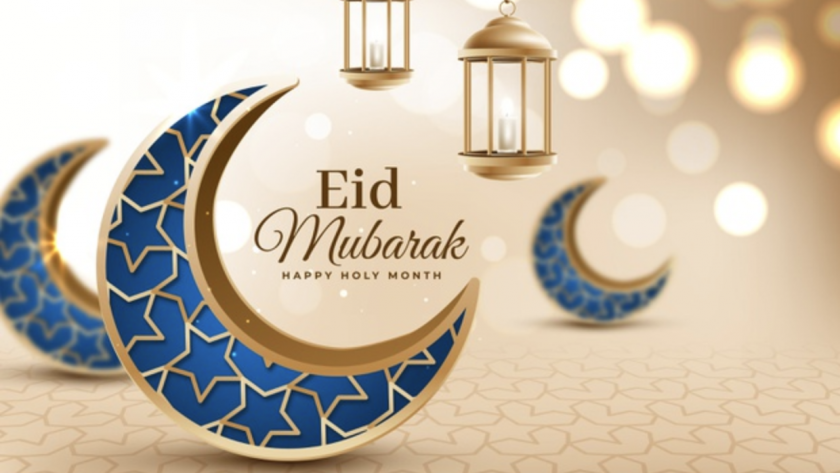
Eid ul Fitr traditionally starts at dusk on the first glimpse of the crescent moon, commonly referred to as “Chand Raat.” At the conclusion of the final day of Ramadan, families and friends congregate in open spaces for Chand Raat, a time of celebration during which they watch the new moon rise. The people devote the final 10 days of Ramadan to worshipping Allah in the mosque during Aitkaaf. When they see the moon, they greet one another with “Chand Raat Mubarak.”
Why is it celebrated?

The Prophet Muhammad is credited with creating the Eid-al-Fitr feast, according to historical accounts. The great Prophet Muhammad came in Medina to find people partying on two specified days, where they amused themselves in various ways, according to Anas, the great Prophet’s companion. The prophet therefore said that the Almighty had appointed two days for human celebrations, which later became known as Eid-al-Fitr and Eid-al-Adha. This festival is observed by Muslims everywhere to commemorate the revelation of the Holy Qur’an to Prophet Muhammad by Allah. This event is celebrated with a lot of fanfare in India. It is thought that the Prophet Muhammad received the Holy Quran during the month of Ramadan for the first time. Muslims observe a fast from sunrise to sunset and focus solely on prayer to Allah during this holy month. This month comes to a conclusion with Eid-ul-Fitr. Including a delectable supper, gatherings this event is observed by Muslims to commemorate the successful end of Ramadan.
Significance of the festival
Eid ul Fitr represents qualities like perseverance, piety, holiness, and tenacity. Those who maintain the fast during Ramadan reap the benefits of their arduous spiritual discipline and month-long worship on this day of joy. Muslims express their appreciation to Allah for opening the gates of forgiveness and kindness during the holy month of Ramadan.
Eid ul Fitr serves as a reminder to be kind to those who are less fortunate in addition to being a time for contemplation, new beginnings, and celebration with loved ones. The holiday serves as a reminder to Muslims to welcome members of all social and economic groups and to share the joy of celebrations with the disadvantaged, the needy, and the unloved. The delights of Eid ul Fitr were once made available to all the destitute, the oppressed, and widows by the Prophet Muhammad (PBUH) himself. On this day, every Muslim is expected to give to those in need and reflect on their blessings.
Purpose of Eid ul Fitr

Eid ul Fitr marks the end of a month of prayer, fasting, and refraining from any unfavourable deeds and thoughts. On this blessed day, Muslims around the world express their gratitude to Allah for providing them with the fortitude, resolve, and perseverance necessary to complete the month-long fast and follow His instructions during Ramadan. They ask Allah for guidance in staying on the correct path and ask for rewards for doing good things during the holy month.
How is it celebrated?
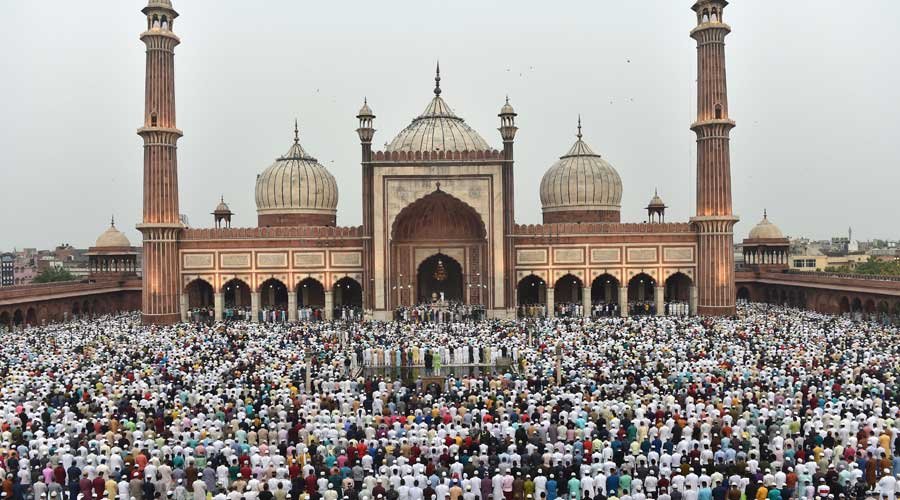
All Muslims perform Eid prayers, also referred to as Eid salah, on Eid ul Fitr when the fast is broken. These prayers are performed to express thanks to Allah for giving Muslims the holy month of Ramadan and allowing them to do Ibadah during it. Additionally, it enables Muslims to begin the holy day with duty to Allah and demonstrate their submission to Him. Eid prayers are typically said in front of friends, family, and other Muslims.
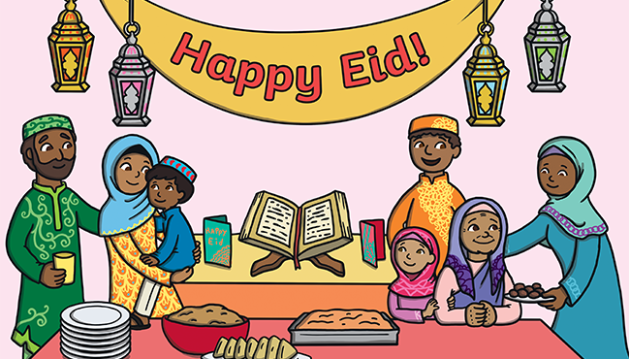
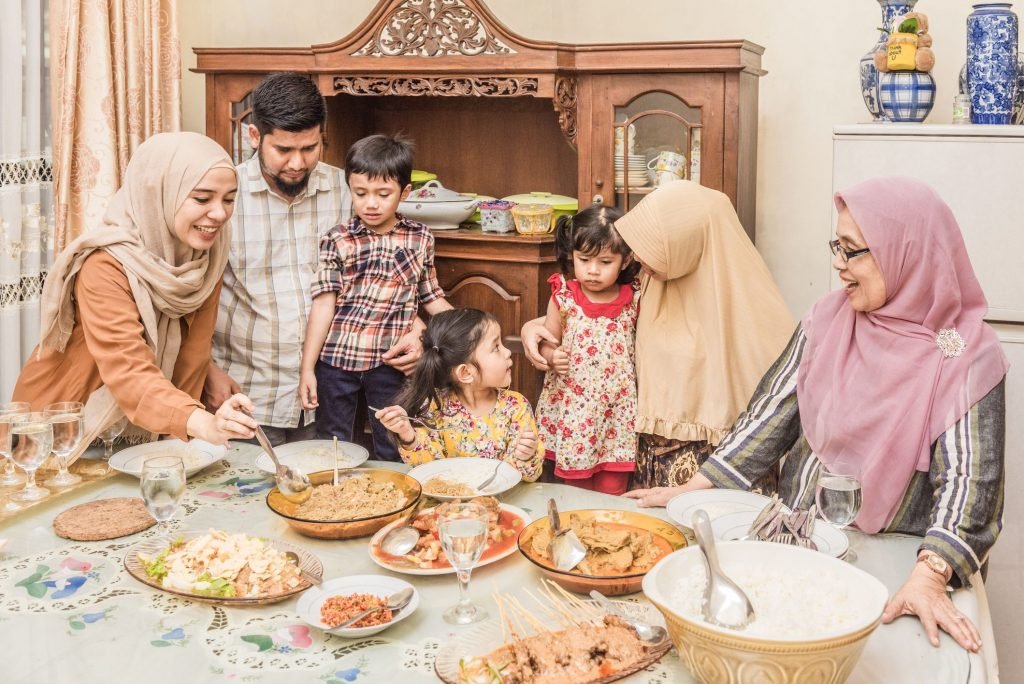
Muslims are not permitted to fast during Eid ul Fitr. For Eid-ul-Fitr, Muslims prepare extravagant dinners. Every Muslim home organises feasts where pulao, saalan, biryani, haleem, nihari, kebabs, kofte, and other foods are prepared. The traditional seviyan, sheer korma, shahi tukda, and phirni are this day’s main attractions. Muslims greet one another while dressed in new attire.
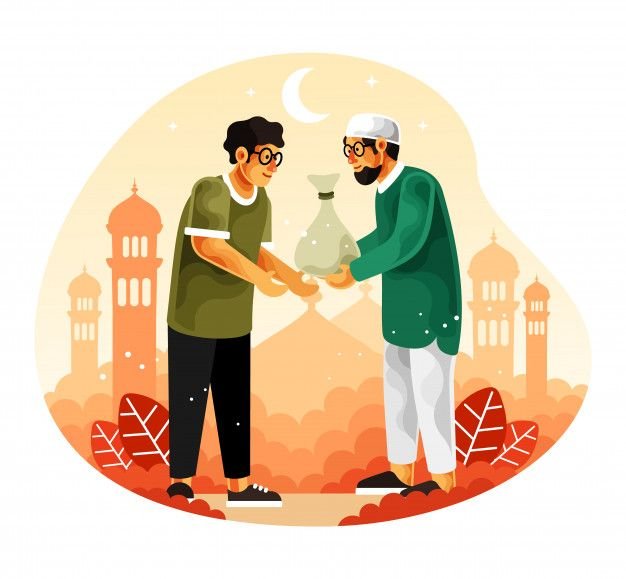
Eid ul Fitr is regarded as a day of giving as well. Muslims provide charity known as Zakat al-Fitr, which is required, in addition to thanking Allah. Many Muslims give meals to those in need as volunteers at food banks and soup kitchens. Muslims use Eid ul Fitr as a day of self-reflection to consider their acts and determine whether they have helped others who are less fortunate.
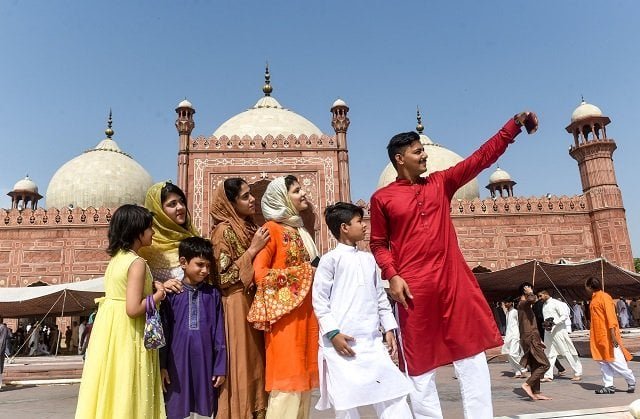
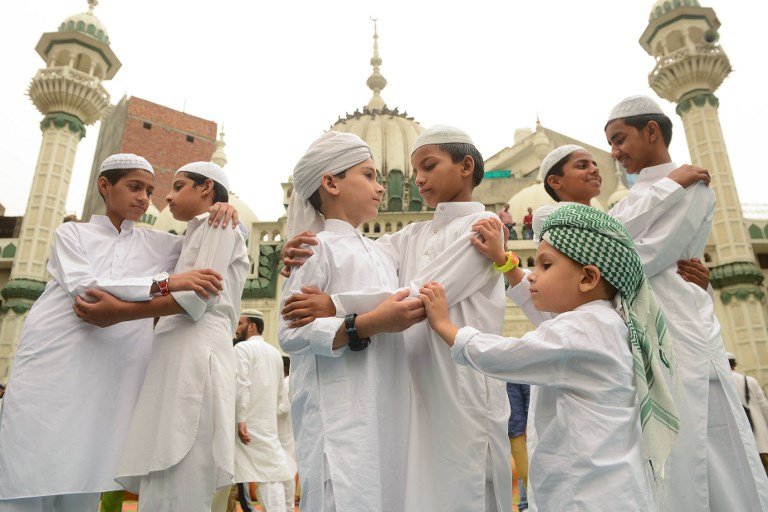
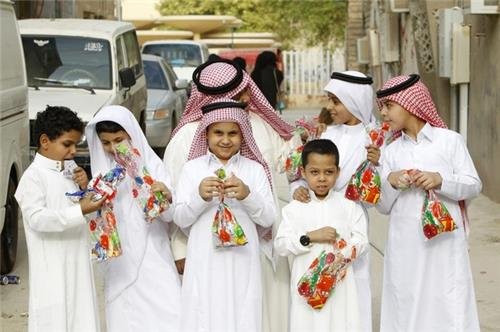
Greetings, presents, and well wishes are all commonly exchanged during Eid ul Fitr celebrations. Muslims all throughout the world dress in new outfits, give out candy, and greet one another by saying “Eid Mubarak,” which translates to “have a blessed Eid.” On Eid, elders give children money and presents which is called Eidi. Dates and cookies are among the sweets that people exchange with neighbours, coworkers, loved ones, and even complete strangers. Family members exchange gifts with each other. Usually, the younger members of the family receive the majority of the gifts. Muslims also create vibrant environments in their homes and businesses.
For Muslims around the world, Eid ul Fitr is a day of joy, forgiveness, prayers, and excitement observed in the month of Shawwal. Everyone, from young children to adults and older citizens, looks forward to the day that ends the fast and ushers in the holiday season.