selectvenue
 Bahaghara (also known as Odia Hindu wedding) is an Odia Hindu wedding ceremony that takes place in the Indian state of Odisha. . Distinct castes observe different ceremonies in nuanced ways. In Odia marriage ceremonies, the bridegroom’s mother does not attend the ceremony. Weddings are only held during the day for Utkala Brahmins, ideally in the morning or midday, whereas weddings are held in the evening or night for the other castes. It is customary to send betel nuts to family friends as an invitation to the wedding. As a mark of reverence for the lord, the first invitation is issued to the family god.

Putting together the wedding
The elders of both families organize the wedding. The layout is decided by the family’s values and traditions. Some families regard horoscope compatibility to be a requirement. The more comfortable the pair is in their marriage, the happier they will be. The bride and groom’s mutual acceptance of one other and their respective families, on the other hand, is critical to the marriage’s success.
Jwai anukua Ceremony
The Jwai anukua rite, which takes place at the bridegroom’s home, kicks off the wedding festivities. Following that, the Nimantrana patra is distributed (invitation cards).
“Deva Nimantrana”: A Nimantrana, or invitation, is a public notice of a wedding function. As is Odia custom, the first card is handed to the family divinity. The first card is usually placed in front of Lord Jagannath.
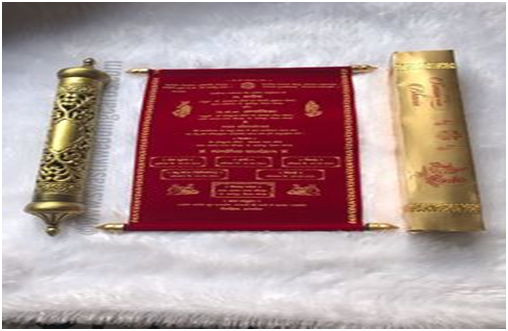
“Moula Nimantrana”: The second invitation is sent to the bride and groom’s maternal uncle. Moula Nimantrana is the name of the place. This will require the presence of a family member as well as betel nuts. In occasions such as weddings, Uncle, often known as “Mamu,” is a highly revered individual. Invitations can now be sent to friends and family.
Mangana
Dia mangula puja is a puja that is performed at the temple of Gramadevati, a Dia Mangula Puja is performed. Baarikiyani gives the Goddess the bride’s bangles, toe ring, sindura, and sari (wife of a barber).Prayers are offered to a temple’s god during the Dia mangula Puja. The bridal saree, toe rings, shanka Pola, and sindura (Vermilion) are presented to the Lord by the barber, and the Gods’ blessings are requested for a long and happy married life. The groom’s and bride’s fathers then undertake a Nandimukha rite to invite each other’s ancestors.

Barajatri and Baadua Pani Gadhua
The groom and his wedding procession arrive at the wedding location in a procession. Barajatri is the name for this. Barajatri or Varaanugamana is the ceremonial parade in which the groom, his family, and guests arrive at the wedding mandap amid much pomp and splendor. Upon the arrival of the baraat, the groom is greeted with aarti or tilak, followed by the washing of the groom’s feet in soft coconut water and the offering of curd combined with honey and ghee. The bride wears fine traditional jewellery. The groom is carried into the bride’s home on the shoulder of the bride’s younger brother. Odia brides traditionally wear Boula Patta, which are yellow sarees with crimson borders.
In the Baadua Pani Gadhua tradition, the bride’s side informs her that the baraat has arrived. After that, preparations are prepared for her holy bath. The bride takes another ceremonial bath, known as Baadua Pani Gadhua, when she learns of the groom’s arrival.
Ceremonies on the Wedding Day
The wedding day is laced with a multitude of ceremonies that set it apart from the previous three sixty-four days.
Kanyadana
The Kanyadana ceremony, which takes place on the vivaha vedi, kicks off the wedding procedure. This structure is covered in flowers and leaves. The bride’s daughter is traditionally handed over to the groom at this time. The priests sing the mantras while lighting the ceremonial fire. Seven mounds of rice grain are worshipped at the Saptapadi ceremony, symbolizing the seven hills and the saptakulaparwata. The couple goes seven times around the fire, symbolizing the sacred fire as the marital testimony. The father of the bride extends his precious daughter’s hand to the groom, assuring him that he will look after her in the future. The bride feels like a member of her husband’s family after this operation, called as Hata Ganthi or Pani Grahana. That is why the bride is called “duhita,” which means “one who has grown up in two families and has done what is appropriate for both.”
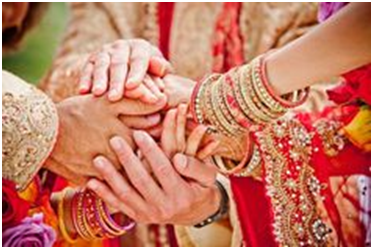
Panigrahana:
Hata Ganthi, or Panigrahana, is a Hindu knot-tying procedure in which the bride’s palm is placed on the groom’s.
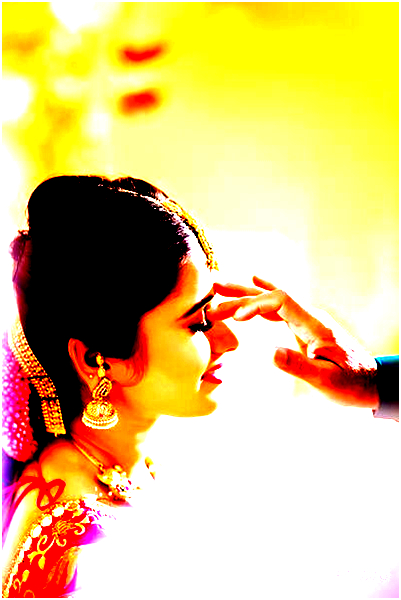
Sindura is applied to the bride’s hair by the husband. Sindura is applied to the bride’s hair parting and Shankha is applied to the bride’s arms (vermilion powder and bangles), resulting in Sinduradaan.
Kaudi Khela:
Kaudi khela is a tradition in which the newlywed couple plays Kaudi, a white coloured sparkling shell, following the marriage ceremony. The Hawaiian god Kaudi is said to provide wealth, harmony, and success to the family. First, the bridegroom holds a Kaudi in his fist, which she tries to break with two hands. In the next round, the bride makes a tight fist with both hands with the Kaui inside, and the husband tries to open her hand with only one hand. Rounds of these games continue, with the bride’s sisters and other younger family members continuing the tradition of a judge from the bride’s family.

Bahuna:
Bahuna is a mourning ceremony that includes rhythmic songs that depict the storey of the bride’s mother’s laborious effort in giving birth to her, her nurturing of her, and finally her departure from her own home to construct a new home. The bride’s mother is likewise mourned by the elderly women of the community.
Rituals Following the Wedding
Gruhaprabesa
Laja homa brings the wedding to a close. The newlyweds arrive at their new home, where she is greeted by the groom’s family with a Gruhaprabesa ritual. The bride and her spouse enter their new residence.
Chauthi
The bride and groom meet on the fourth day after their wedding. The day is known as ‘Chauthi’ (which means fourth day) and the night is known as Basara rati. During the day, the groom’s family’s ancestors are honored. This is crucial because a marriage is not considered complete or valid until it is consummated.
Asta Mangula
The bride and groom are invited to the bride’s residence on the eighth day following the wedding, known as Asta mangula. For the newlywed pair, traditional Odia cuisine is cooked and served.
The bride is presented with sarees and jewellery by the husband. The Sankha (conch shell) is blown with a characteristic sound called hulu-huli by placing the tongue on the roof of the mouth and repeatedly expanding and closing the lips
Bahaghara (also known as Odia Hindu wedding) is an Odia Hindu wedding ceremony that takes place in the Indian state of Odisha. . Distinct castes observe different ceremonies in nuanced ways. In Odia marriage ceremonies, the bridegroom’s mother does not attend the ceremony. Weddings are only held during the day for Utkala Brahmins, ideally in the morning or midday, whereas weddings are held in the evening or night for the other castes. It is customary to send betel nuts to family friends as an invitation to the wedding. As a mark of reverence for the lord, the first invitation is issued to the family god.
Putting together the wedding
The elders of both families organize the wedding. The layout is decided by the family’s values and traditions. Some families regard horoscope compatibility to be a requirement. The more comfortable the pair is in their marriage, the happier they will be. The bride and groom’s mutual acceptance of one other and their respective families, on the other hand, is critical to the marriage’s success.
Jwai anukua Ceremony
The Jwai anukua rite, which takes place at the bridegroom’s home, kicks off the wedding festivities. Following that, the Nimantrana patra is distributed (invitation cards).
“Deva Nimantrana”: A Nimantrana, or invitation, is a public notice of a wedding function. As is Odia custom, the first card is handed to the family divinity. The first card is usually placed in front of Lord Jagannathan.
“Moula Nimantrana”: The second invitation is sent to the bride and groom’s maternal uncle. Moula Nimantrana is the name of the place. This will require the presence of a family member as well as betel nuts. In occasions such as weddings, Uncle, often known as “Mamu,” is a highly revered individual. Invitations can now be sent to friends and family.
Mangana
Dia mangula puja is a puja that is performed at the temple of Gramadevati, a Dia Mangula Puja is performed. Baarikiyani gives the Goddess the bride’s bangles, toe ring, sindura, and sari (wife of a barber).Prayers are offered to a temple’s god during the Dia mangula Puja. The bridal saree, toe rings, shanka Pola, and sindura (Vermilion) are presented to the Lord by the barber, and the Gods’ blessings are requested for a long and happy married life. The groom’s and bride’s fathers then undertake a Nandimukha rite to invite each other’s ancestors.
Barajatri and Baadua Pani Gadhua
The groom and his wedding procession arrive at the wedding location in a procession. Barajatri is the name for this. Barajatri or Varaanugamana is the ceremonial parade in which the groom, his family, and guests arrive at the wedding mandap amid much pomp and splendour. Upon the arrival of the baraat, the groom is greeted with aarti or tilak, followed by the washing of the groom’s feet in soft coconut water and the offering of curd combined with honey and ghee. The bride wears fine traditional jewellery. The groom is carried into the bride’s home on the shoulder of the bride’s younger brother. Odia brides traditionally wear Boula Patta, which are yellow sarees with crimson borders.
In the Baadua Pani Gadhua tradition, the bride’s side informs her that the baraat has arrived. After that, preparations are prepared for her holy bath. The bride takes another ceremonial bath, known as Baadua Pani Gadhua, when she learns of the groom’s arrival.
Ceremonies on the Wedding Day
The wedding day is laced with a multitude of ceremonies that set it apart from the previous three sixty-four days.
Kanyadana
The Kanyadana ceremony, which takes place on the vivaha vedi, kicks off the wedding procedure. This structure is covered in flowers and leaves. The bride’s daughter is traditionally handed over to the groom at this time. The priests sing the mantras while lighting the ceremonial fire. Seven mounds of rice grain are worshipped at the Saptapadi ceremony, symbolizing the seven hills and the saptakulaparwata. The couple goes seven times around the fire, symbolizing the sacred fire as the marital testimony. The father of the bride extends his precious daughter’s hand to the groom, assuring him that he will look after her in the future. The bride feels like a member of her husband’s family after this operation, called as Hata Ganthi or Pani Grahana. That is why the bride is called “duhita,” which means “one who has grown up in two families and has done what is appropriate for both.”
Panigrahana:
Hata Ganthi, or Panigrahana, is a Hindu knot-tying procedure in which the bride’s palm is placed on the groom’s.
Sindura is applied to the bride’s hair by the husband. Sindura is applied to the bride’s hair parting and Shankha is applied to the bride’s arms (vermilion powder and bangles), resulting in Sinduradaan.
Kaudi Khela:
Kaudi khela is a tradition in which the newlywed couple plays Kaudi, a white coloured sparkling shell, following the marriage ceremony. The Hawaiian god Kaudi is said to provide wealth, harmony, and success to the family. First, the bridegroom holds a Kaudi in his fist, which she tries to break with two hands. In the next round, the bride makes a tight fist with both hands with the Kaui inside, and the husband tries to open her hand with only one hand. Rounds of these games continue, with the bride’s sisters and other younger family members continuing the tradition of a judge from the bride’s family.
Bahuna:
Bahuna is a mourning ceremony that includes rhythmic songs that depict the storey of the bride’s mother’s laborious effort in giving birth to her, her nurturing of her, and finally her departure from her own home to construct a new home. The bride’s mother is likewise mourned by the elderly women of the community.
Rituals Following the Wedding
Gruhaprabesa
Laja homa brings the wedding to a close. The newlyweds arrive at their new home, where she is greeted by the groom’s family with a Gruhaprabesa ritual. The bride and her spouse enter their new residence.

Chauthi
The bride and groom meet on the fourth day after their wedding. The day is known as ‘Chauthi’ (which means fourth day) and the night is known as Basara rati. During the day, the groom’s family’s ancestors are honored. This is crucial because a marriage is not considered complete or valid until it is consummated.

Asta Mangula
The bride and groom are invited to the bride’s residence on the eighth day following the wedding, known as Asta mangula. For the newlywed pair, traditional Odia cuisine is cooked and served.
The bride is presented with sarees and jewellery by the husband. The Sankha (conch shell) is blown with a characteristic sound called hulu-huli by placing the tongue on the roof of the mouth and repeatedly expanding and closing the lips.