 selectvenue
Pre-marriage Rituals in Hindu Culture
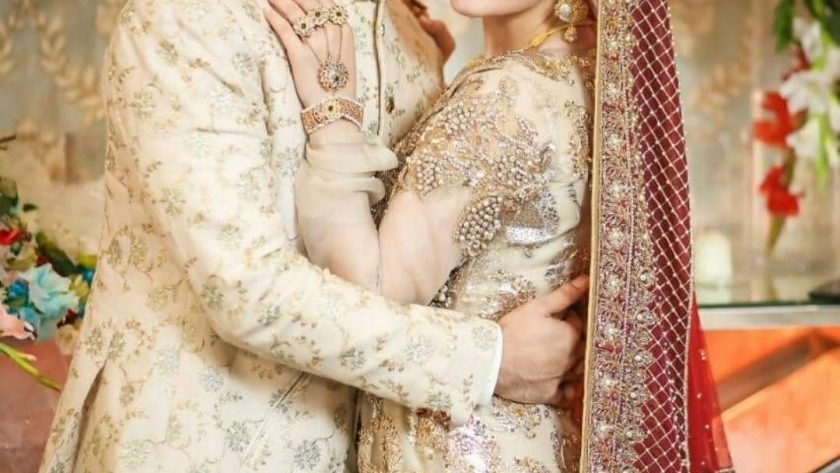
Indian marriages, particularly in Hindu culture, are a spiritual rite that brings two people together to begin their lives together. According to the Vedas (Hinduism’s earliest books), a Hindu marriage is for life and is regarded a union of two families, not just the couple. In general, Hindu marriages involve ceremonies and pre-wedding parties that last many days but vary by community.
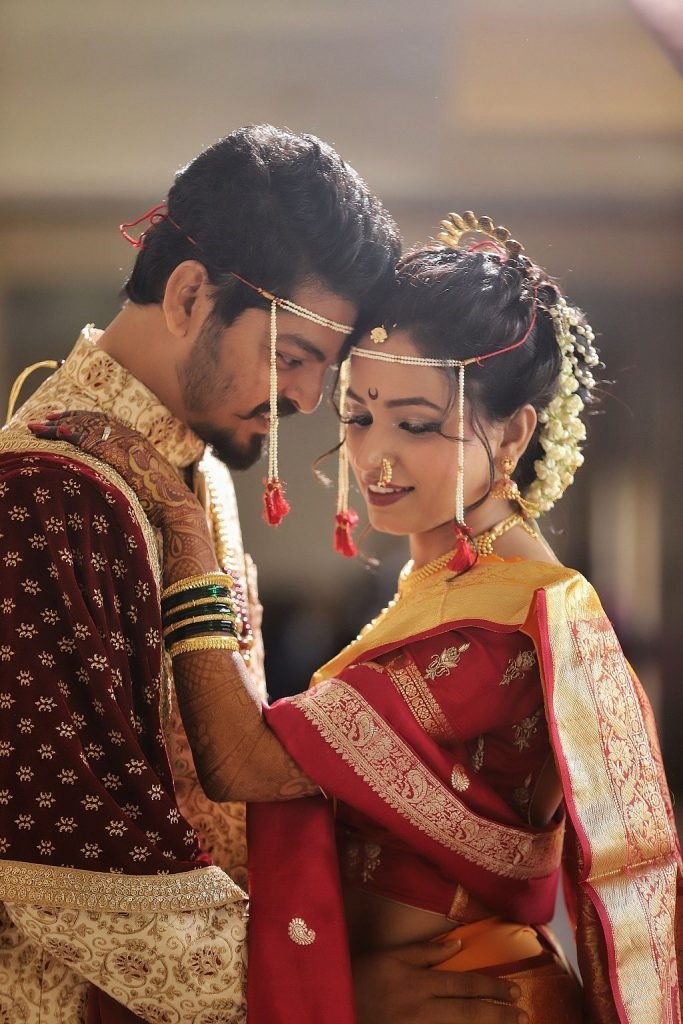
Every Hindu pre-wedding ritual prepares the bride and groom, as well as their family, for the big day. Until the wedding day, these customary rituals and ceremonies span at least four to five days. Some of the most essential rituals and customs of the wedding ceremony are Sagai or ring ceremony, Sangeet ceremony, Tilak, and Mehendi.
Sagai (Ring Ceremony)
The Sagai, or Ring ceremony, comes first in the wedding ceremony sequence. It symbolises the start of wedding preparations and is an essential aspect of Indian weddings. It is observed in the presence of a Hindu priest (pujari) and close family members. The ring ceremony signifies that the bride and groom are now a pair and ready to begin their life together.
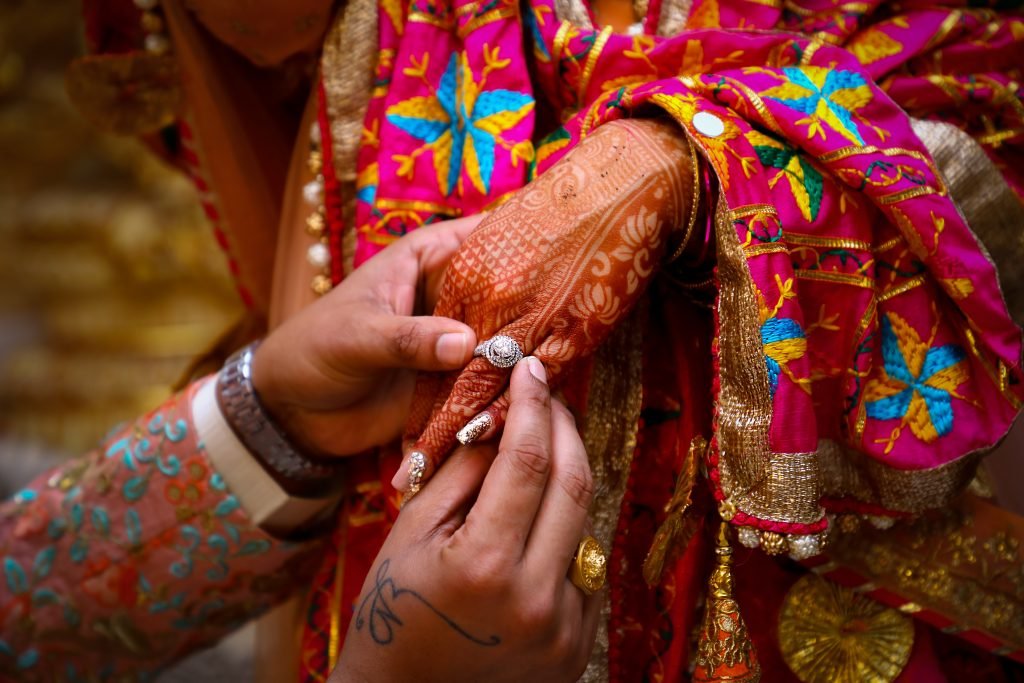
The sagai is usually held a few months before the Hindu wedding. Some families consult with a priest to determine the most auspicious time for the wedding ceremony. As is customary, both families exchange gifts such as candy, clothing, and jewellery.
Aside from that, the wedding date is set while The pair is blessed by their parents and other elderly people.
Tilak (Groom Acceptance Ceremony)
The Tilak ceremony (the application of a red paste of kumkum on the groom’s forehead) is possibly the most important pre-wedding function in the wedding ceremony order of events. It is an important part of all wedding ceremony rituals and customs.
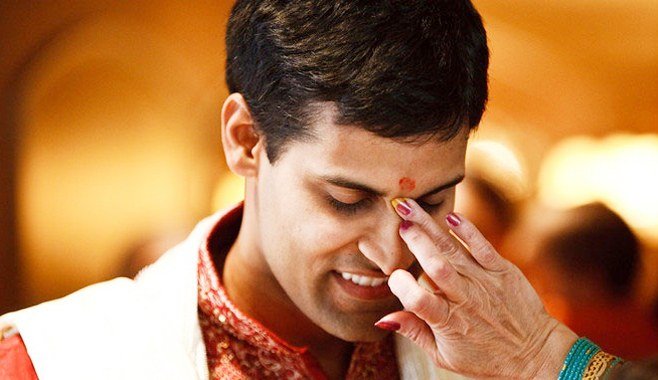
Throughout India, this Hindu wedding ceremony is done in a variety of ways (depending on the caste of the family). Tilak is traditionally performed at the groom’s home and is attended by the groom’s male family members.
During this ceremony, the groom’s father or sibling puts tilak to his forehead. This indicates that he has been accepted by the Hindu bride’s family. They believe he will be a caring husband and responsible father in the future. During the event, it is also common for both families to give gifts. The tilak creates a special relationship between both families.
Haldi’s (Turmeric Ceremony)
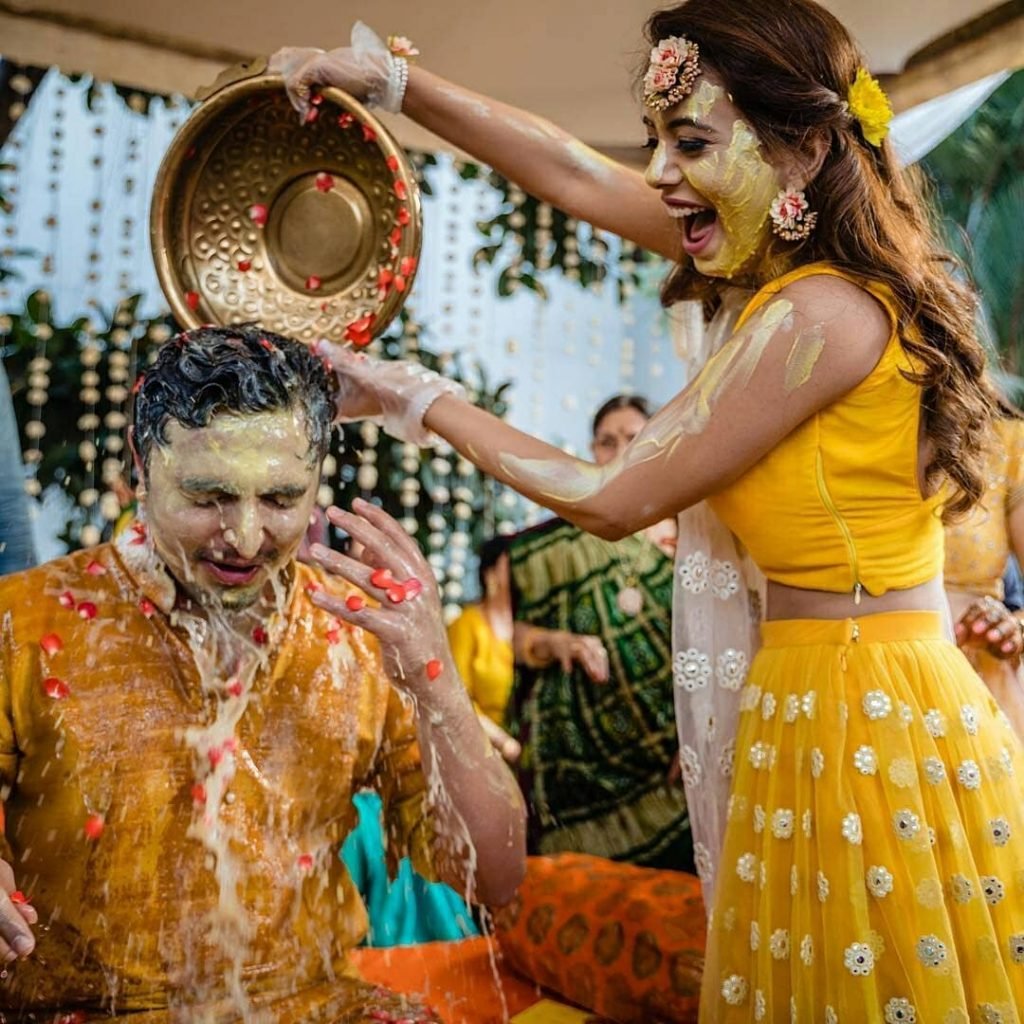
Turmeric, often known as ‘haldi,’ has a unique place in many Indian wedding traditions. The Haldi ceremony is normally held at the couple’s respective homes a few days before the wedding. Family members apply a Haldi or turmeric paste blended with sandalwood, milk, and rose water to the bride and groom’s face, neck, hands, and feet.
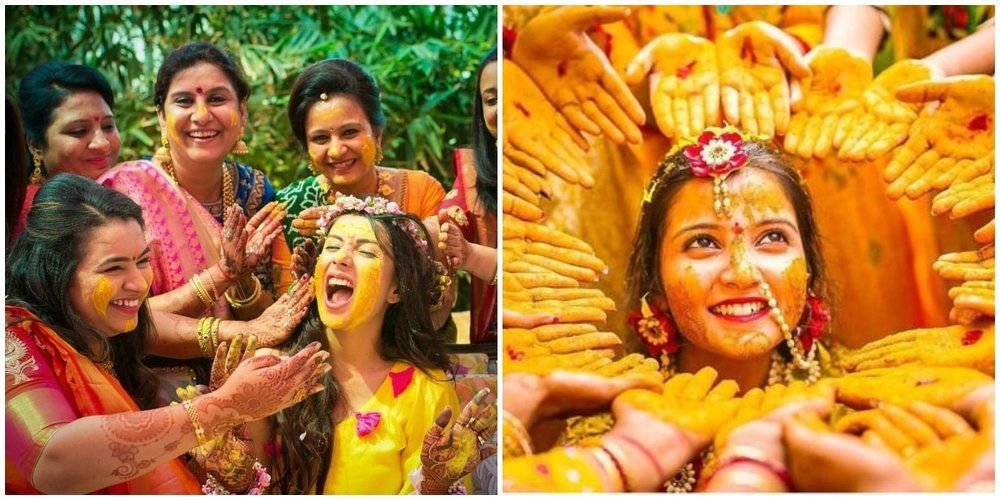
In general, Haldi is important in everyday living. The yellow tint of turmeric is thought to lighten the couple’s skin tone. Its medicinal powers shield them from a wide range of illnesses.
The Haldi ritual is very important. Hindus believe that applying turmeric to the couple keeps them safe from all ‘evil eyes.’ It calms their nerves before the wedding.
Ganesh Puja (Worshipping Lord Ganesh)
The Puja ceremony comes after the wedding ceremony order. Worshiping Lord Ganesh before auspicious occasions is an Indian wedding tradition. The Ganesh Puja event is usually practised in Hindu households. It is held the day before the wedding to bless the festivities.
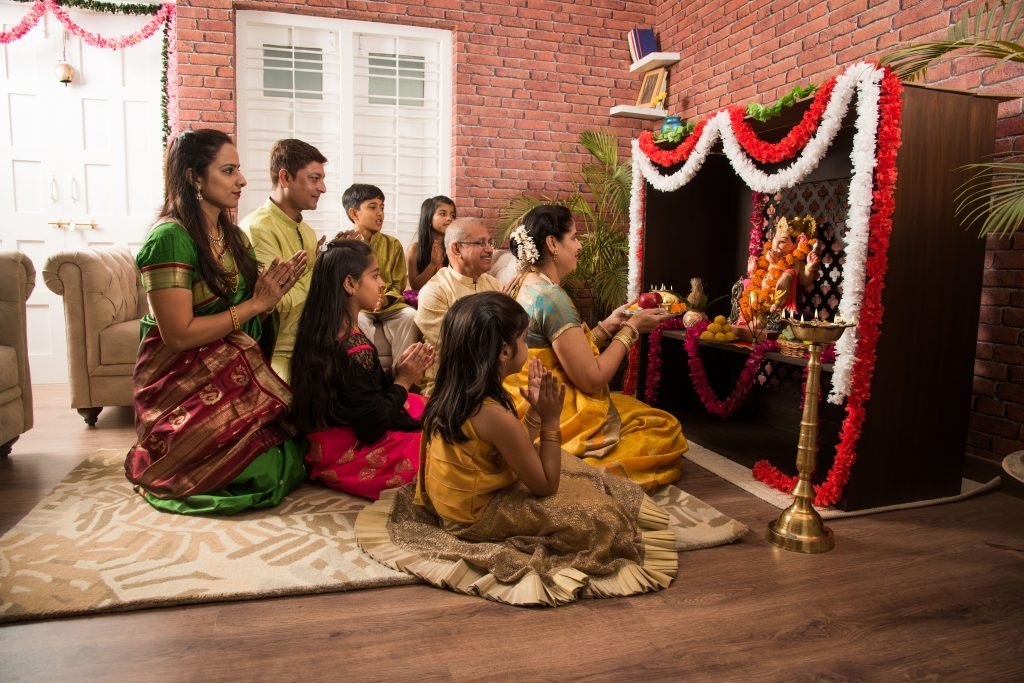
This puja (prayer) is mostly conducted for good luck. Lord Ganesh is revered as the remover of impediments and evils. This Puja ceremony includes the bride and her parents. The priest directs them in making offerings of sweets and flowers to the deity. The ceremony prepares the pair for a new chapter in their lives. Ganesh Puja is an essential part of traditional Indian marriages.
Wedding Mehndi (Henna Ceremony)
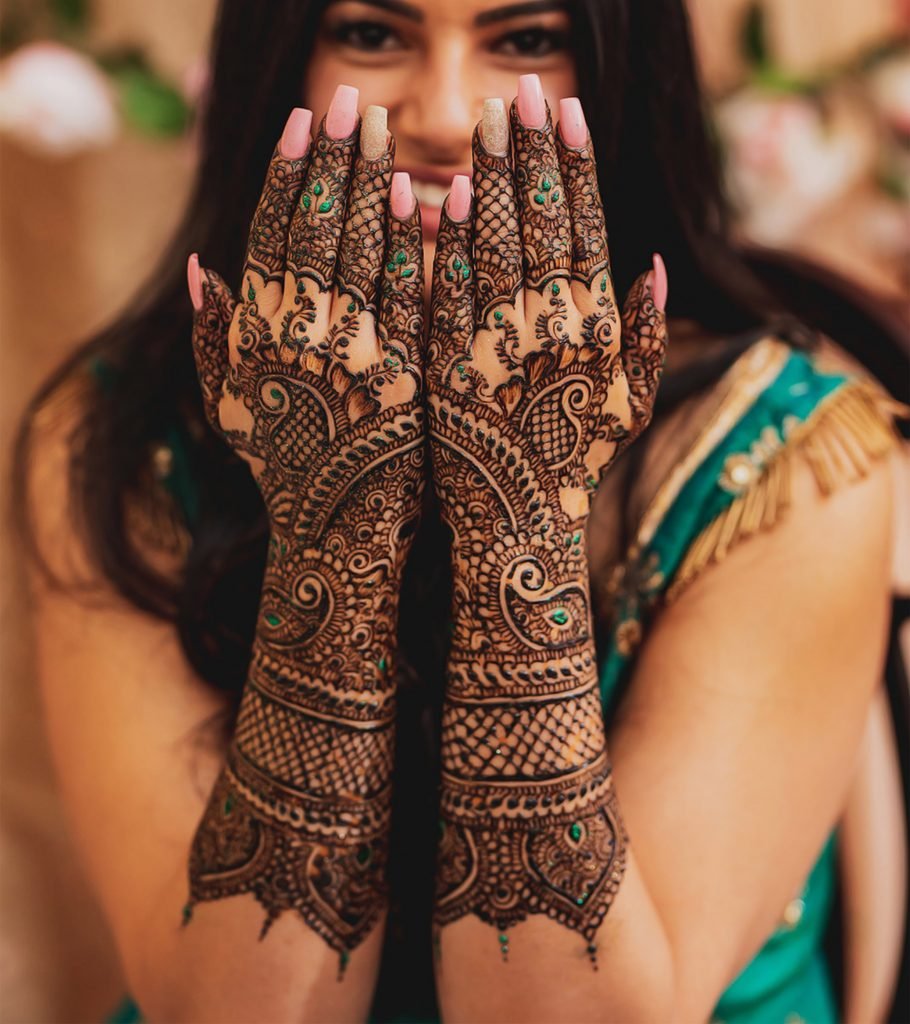
Mehendi is a pleasant Hindu marriage tradition of Indian weddings that is organised by the Hindu bride’s family at her home. It is attended by everyone in the family and is held a few days before the wedding. The bride’s hands and feet are intricately decorated with henna application.
In India, the ceremony differs from state to state. In a Kerala wedding, for example, the bride’s aunt begins the ceremony by painting pretty designs on the bride’s palm before the artist takes over.
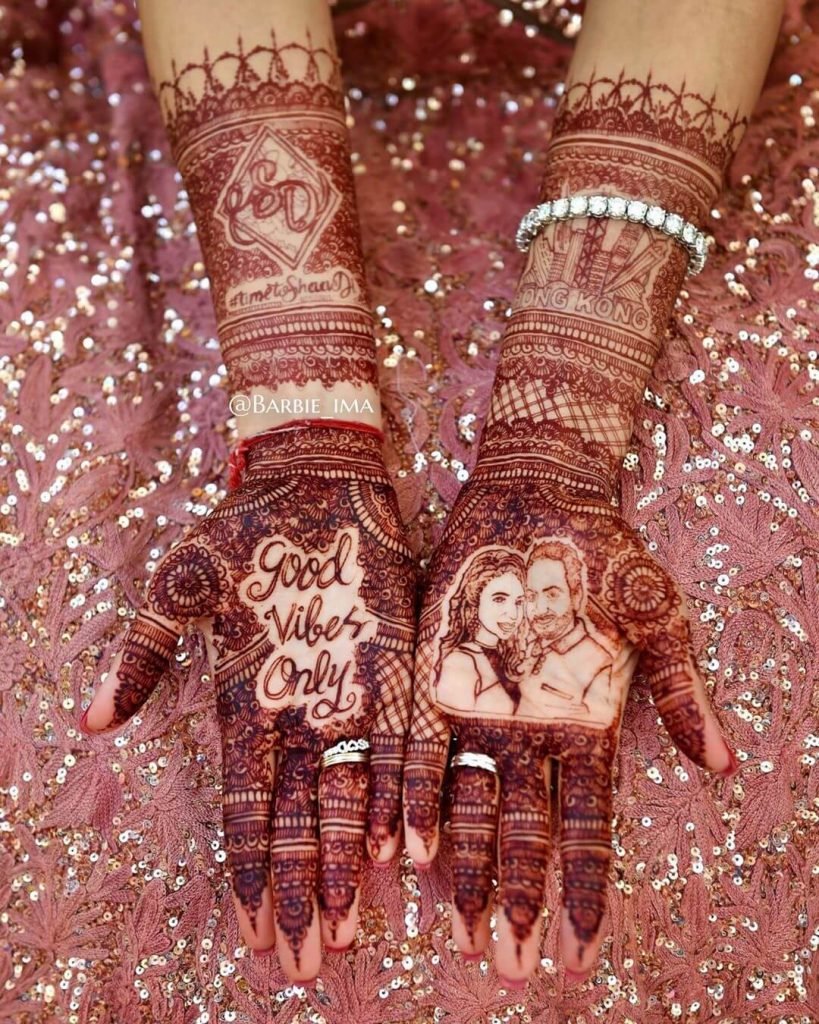
During the occasion, the entire family sings, dances, and has a good time. It is stated that if the henna treatment results in a dark and gorgeous colour, then she will be fortunate to have a caring husband. The bride shall not leave the house after the important Mehendi ritual until her wedding.
Sangeet’s (Music & Singing Ceremony)
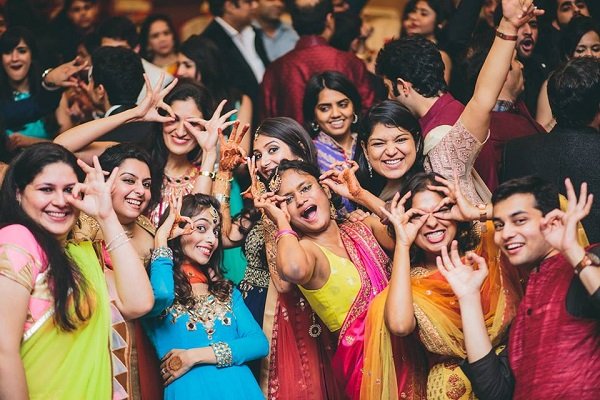
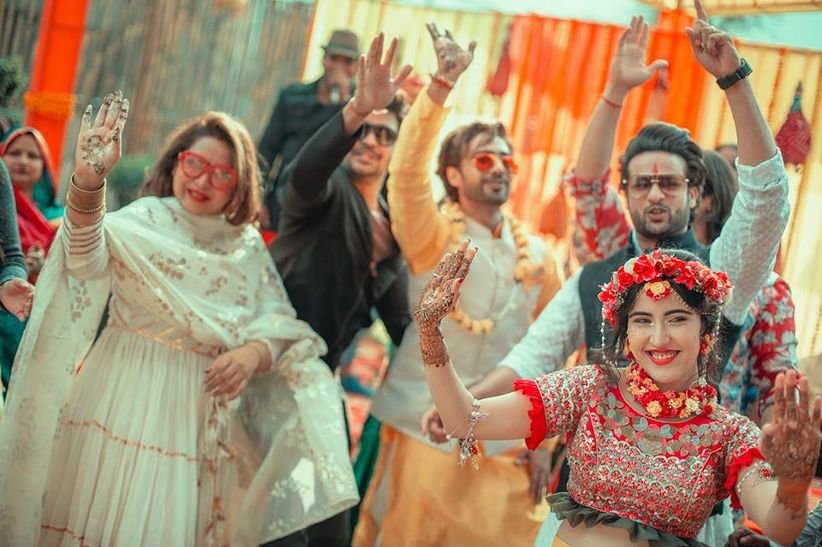
The Sangeet ceremony is entirely around music and revelry! This one is extremely essential in a Punjabi wedding, as it is mainly celebrated in North India. The sangeet ceremony is the most pleasurable of all Hindu wedding rites and festivities. Some families plan it as a distinct occasion, while others combine it with the Mehendi ritual.
Last Thoughts
Indian wedding ceremonies are intricate and one-of-a-kind! They are more than just decorations and celebrations; they are a merger of two families. A traditional Hindu wedding ceremony timeline includes a number of intricate ceremonies and wedding celebrations. These are both entertaining and significant in the run-up to the big day.
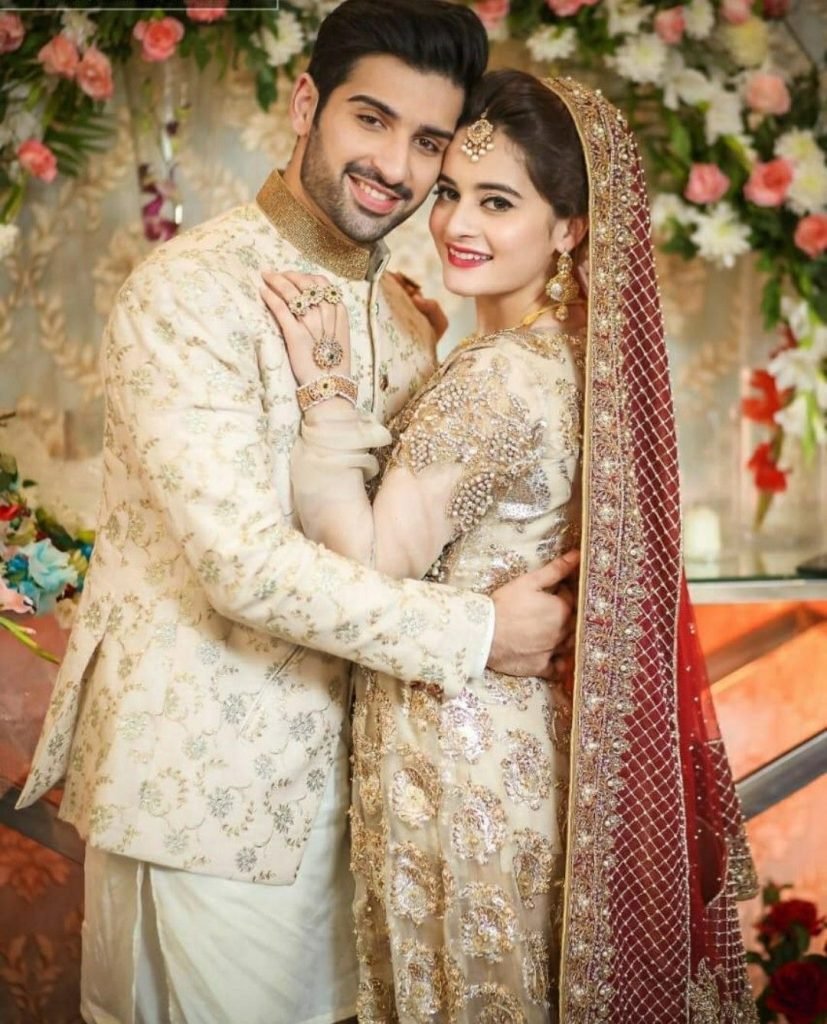
A typical Hindu marriage is the union of two souls in the presence of God and their respective families. Couples finally exchange vows, marry, and are forever wedded in Indian weddings.


