selectvenue
Rituals, customs, fashion, and so much more! Everything you need to know about Sindhi weddings is right here.
Sindhi weddings are a sumptuous affair with a remarkable blend of luxury, fun, and traditions that represent the ‘Live life King Size’ philosophy for which Sindhis are famous! While their celebrations appear to be culturally and visually similar to other North Indian weddings such as Punjabi, Marwari, and others, they include a variety of little and large customs, each with a deep meaning that distinguishes them. The latest edition of the Wedding Tradition Series, a kaleidoscopic tour to distinct regional cultures, including rituals, customs, clothes, and more, delves into the depths and nuances of Sindhi wedding traditions.

Wedding Functions

Kacchi Misri
The informal engagement equivalent to a Roka where the bride’s family offers garments, sweets, fruits, coconut, and lumps of misri (sugar crystals) for good luck, the Kachhi Misri ceremony marks the first meeting between the bride and groom’s families after their match is fixed. Most notably, the auspicious ‘Kada Prasad’ is prepared by the bride’s mother and sent in a silver dish to the groom’s family.
Misri Pakki

The Pakki Misri ceremony, which is usually held a week before the wedding, is the couple’s formal engagement. Fruit baskets, gift hampers, gold, apparel, sweet platters, and token money are all delivered to the groom’s residence from the bride’s side to cement the relationship. The bride also receives gifts from the groom’s family, such as clothing or jewellery. The bride’s family provides a traditional ‘dupatta ki saree,’ which the priest places on the groom’s head for the ritual and which the bride is supposed to wear after the wedding.

Satsang Berana
The entire family gathers for a prayer meeting, in which they ask the almighty ‘Jhulelal’ to bless the pair in their approaching wedding and marriage. Jhulelal melodies and popular Sindhi ladas are mixed together in the music, which is usually performed live by a professional group. Ladas are traditional wedding songs that are sung over the course of several days.
Sagri

The bride’s side usually holds the Sagri or Mehendi ritual 2-3 days before the wedding. With a fun-filled ritual, the bride’s hands and feet are decorated in exquisite henna designs, and the entire family gathers around her. The bride gets dressed in gorgeous flower jewellery by the groom’s sister and showered with petals. Henna is also applied to the other women in the household. The Engagement ceremony, or Sangeet, is a thrilling night of dance and performances held 2-3 days before the wedding, in which both families participate and enjoy the festivities. In front of their loved ones, the pair swaps rings.
Ganesh Sthapna or Dev Bithana
The priest instals a stone grinder as an idol at both the bride and groom’s homes, and a pooja is performed. The night before the wedding, this is usually done.
Dhago Garo
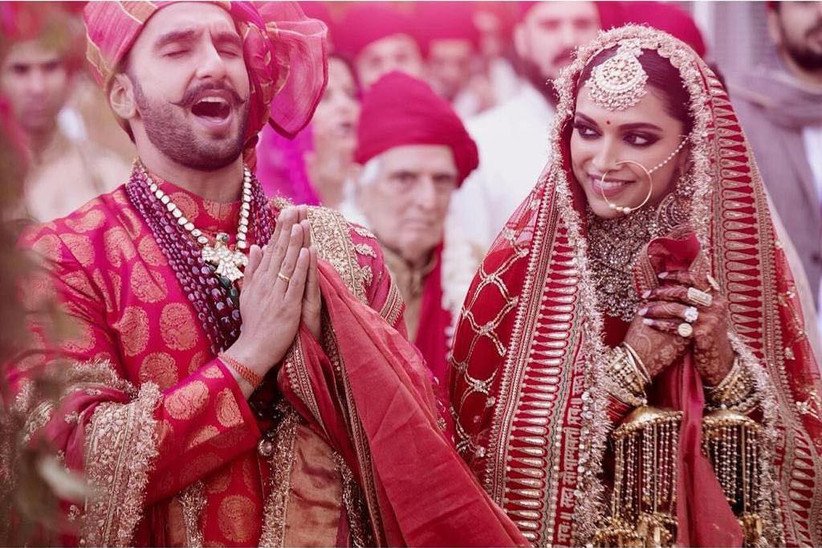
This occurs again on the morning of the wedding. The priest invokes both families’ ancestral blessings for the new marriage’s happiness and success. Both the bride and groom wear a sacred crimson thread around their wrists.
Barat
The groom and his merry band of friends and relatives set out for the wedding destination. They sing and dance enthusiastically the entire time, dressed in finery.
Swagat
The bride’s mother performs a traditional aarti and tilak to welcome the baraat. Rose water is sprinkled over his family, and sugar and cardamom are provided.
Dhulai Pao

At the mandap, the bride and groom are seated. The bride’s family provides a gorgeous blanket or duvet set as part of the trousseau, which is used to cover the sitting and later utilised by the couple after the wedding. The bride’s parents wash the groom’s feet with milk and water after they’ve been seated
Palli Pallo
His sister ties the bride’s dupatta to the groom’s dupatta. She connects the dupattas with two knots, tying a few grains of rice within the knots.
Kanyadaan
The Kanyadaan is a ‘giving away ceremony’ that is common to all Indian weddings and most others around the world. It is where the bride’s father officially offers his daughter to the groom, asking him to marry her.
Saptapadi

The bride is instructed to walk seven steps, crossing seven little heaps of rice that represent the difficulties that the pair may experience in life. The groom supports her and assists her, implying that they will stick together through thick and thin, overcoming any obstacle.
Bidaai
With a sorrowful goodbye, the bride bids her family and parents home farewell. Before she and her husband leave for their new home, her father gives her farewell gifts.
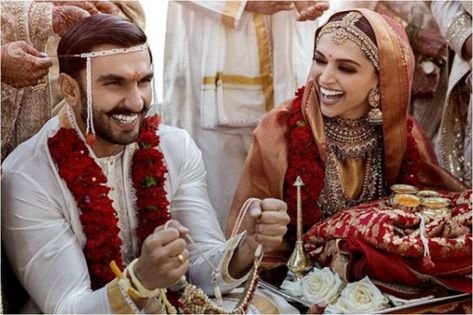
Datar
In her new house, the bride is greeted by her in-laws with a warm welcome. As she enters the house, she washes her feet before sprinkling milk in all directions.
shagun salt
For this tradition, the bride hands her husband a handful of salt, which he returns to her without spilling. This back-and-forth is repeated three times.
Chhanar
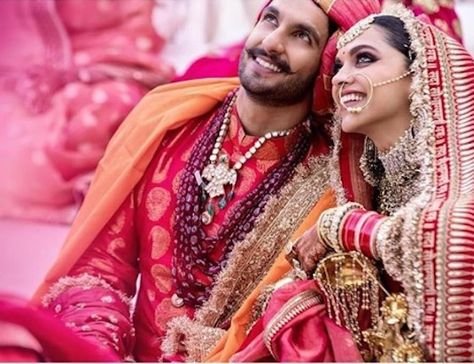
The priest performs a pooja the next day and removes the stone grinder idol he had placed before the wedding, after which the groom’s mother serves the pair seven mouthfuls of milk, rice, and sugar.
Satawarah
The priest arranges for the couple to pay a visit to the bride’s household at an auspicious moment. They are greeted with a grand welcome that includes a feast and gifts.