 selectvenue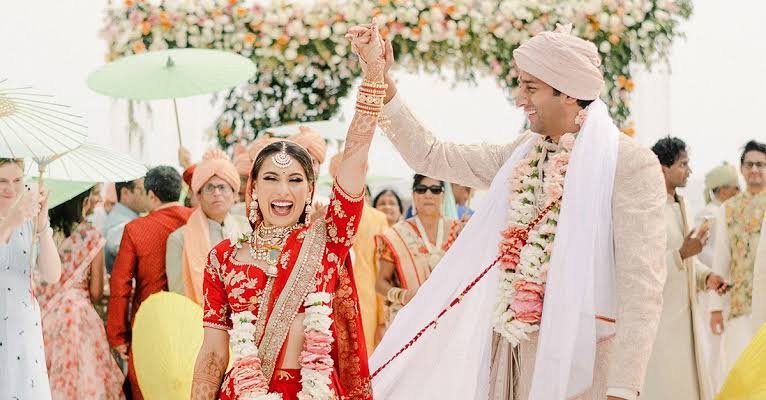
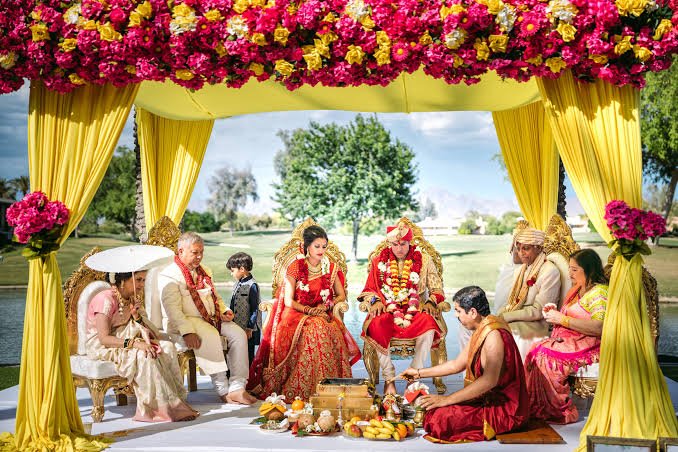
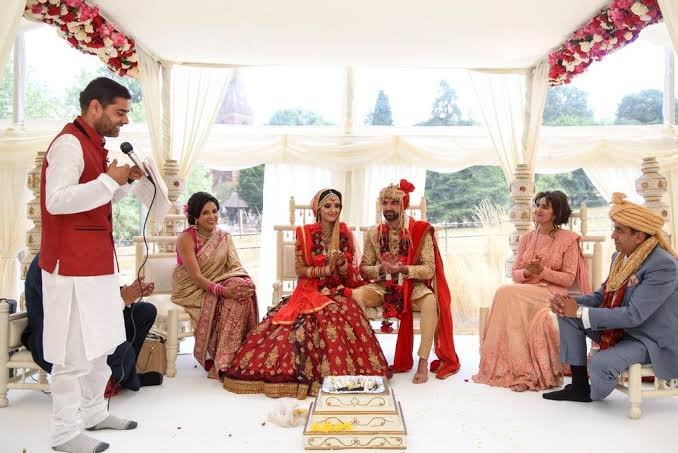
Hindu weddings are renowned for their colourful cultural atmosphere. They are meticulously organised and vibrant from the very first to the very last second. And while the physical, spiritual, and emotional union of the couple is at the heart of a Hindu wedding ceremony, it is also about the bringing together of two families through celebration and prayer. A Hindu wedding is essentially a Vedic yajna ritual, with three key rituals that are almost universal: Kanyadan, Panigrahana, and Saptapadi, which stand for the father giving away his daughter, willingly holding hands next to the fire to symbolise union, and taking seven “steps before fire.”
Even if only a few of these numerous suggestions are incorporated into the wedding plans, the big day is a beautiful place to honour heritage. Modern couples frequently choose to personalise their nuptials. Look at these significant Hindu wedding customs.
Muhurata
The day and hour of the wedding are very important in Hindu marriages. Hindus choose a time and date in advance for every occasion, which is typically selected by an astrologer. Using the couple’s birth dates, an auspicious period, or muhurata, is determined for the Hindi wedding. Astrologers use the astrological positions to determine the muhurata.

A Hindu wedding is not permitted to occur inside the same clan or lineage, hence the gotra, or ancestral bloodline, is declared. All the family members are alert after muhurata since a big, huge Indian wedding requires a lot of effort!
Roka
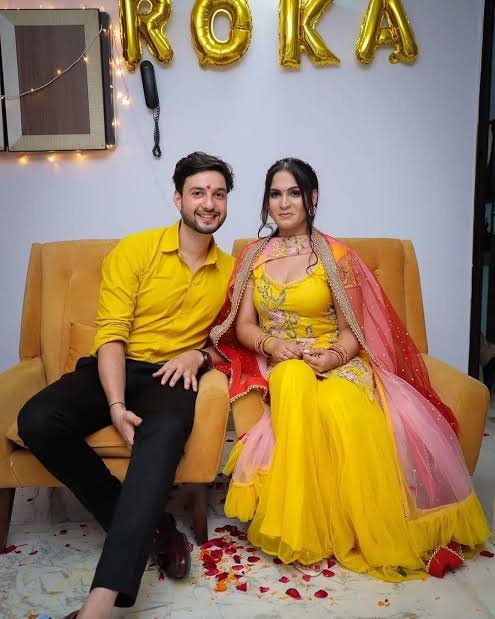
The Roka or the Tilak Ceremony is often the following phase of the celebration after the mahurat has been selected and approved. The bride and groom receive the blessings of their elders following a brief puja.
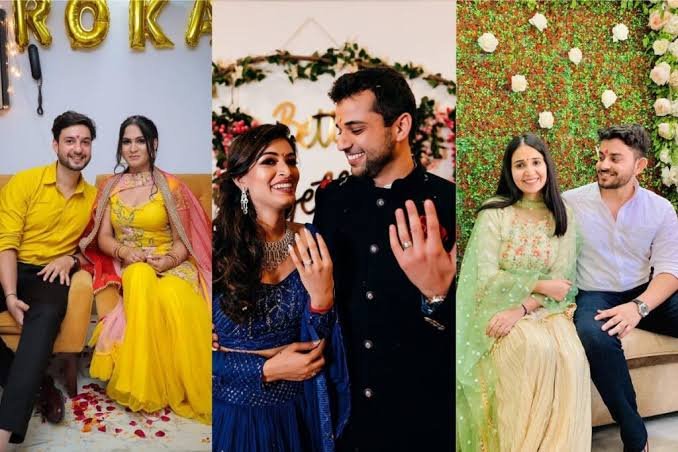
The future bride wears a red chunni or veil, and the couple receives gifts from both sides of the family. While many choose a separate ring ceremony, the couple does occasionally exchange rings.
Barni Bandhwana
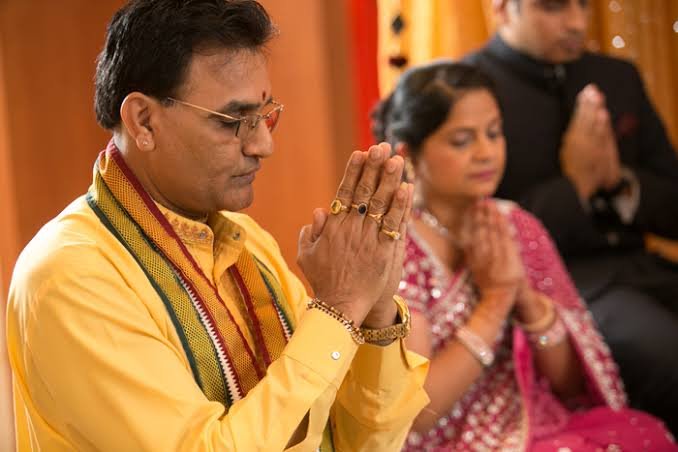
The Barni Bandhwana is a Hindu wedding custom that is observed by the majority of Hindu communities and typically occurs 15 days before the wedding ceremony. The bridegroom’s family performs this tradition by wrapping a red thread, or “mauli,” around his wrist. The purpose of this practise is to ward off any bad omens and to pray for his safety. The groom receives the approval of the family’s elders. The groom is not expected to leave his house again until the wedding after this is completed, however with the passage of time, this particular portion of the ritual is now disregarded.
Sangeet
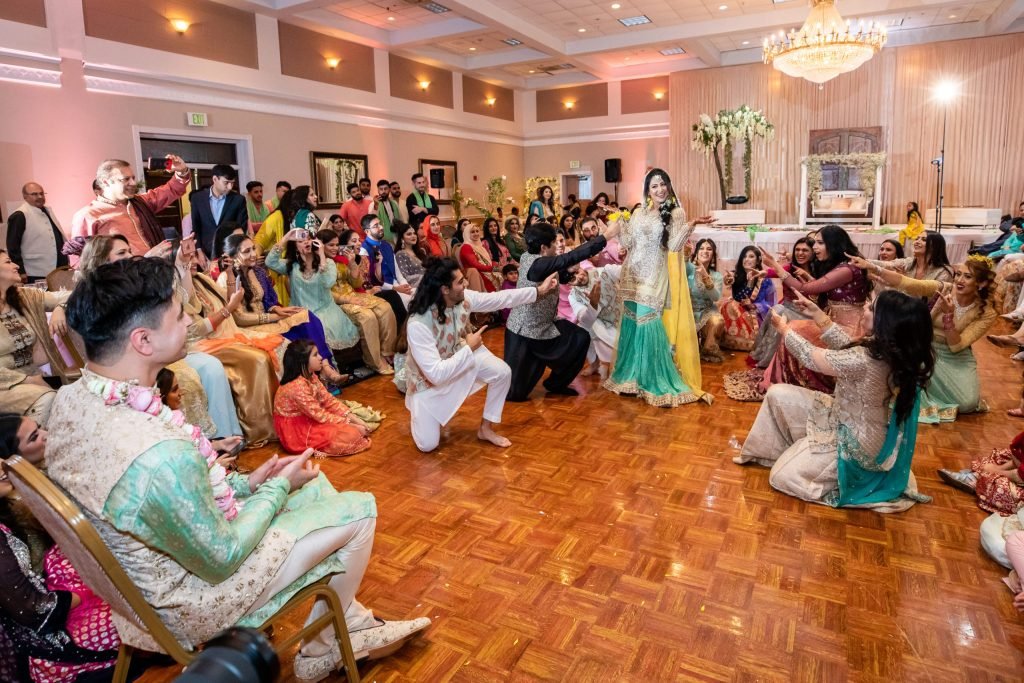
The most exciting event at the wedding is the sangeet night. It’s a celebration where the families of the bride and the groom mix together and dance all night long. Sangeet literally translates as “sang together.” Earlier, both families would gather together to dance and play the dhol while singing and singing traditional tunes. However, sangeets now revolve upon getting together to dance to the newest Bollywood songs and have undergone significant evolution.
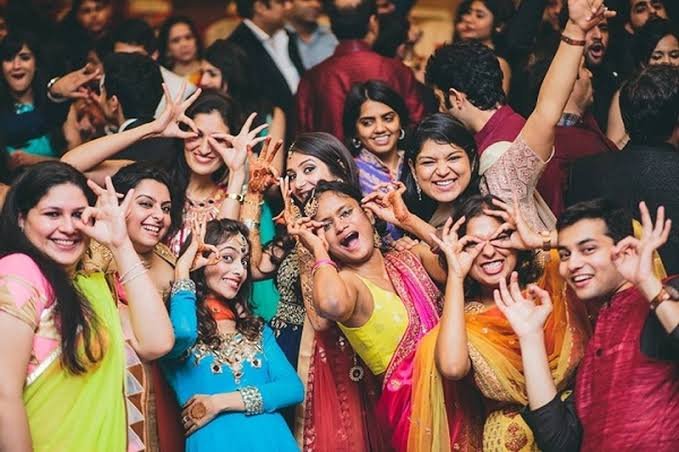
The majority of the time, sangeets feature professionally planned dance performances from both sides, along with a few touching and entertaining ones. It’s the perfect way to unwind, relax, and enjoy time with your loved ones while letting go of the stress of wedding planning.
Mehandi
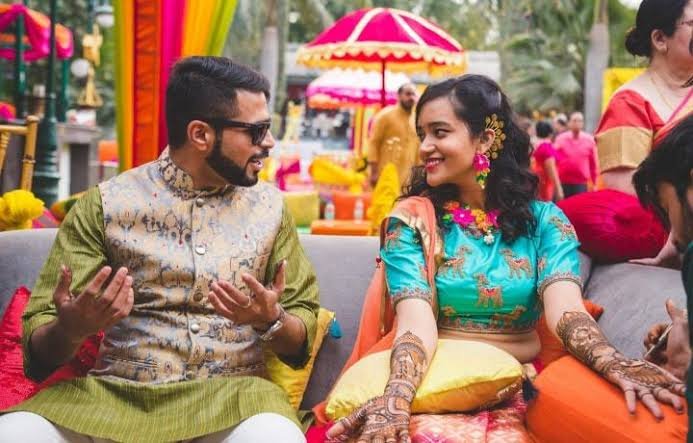
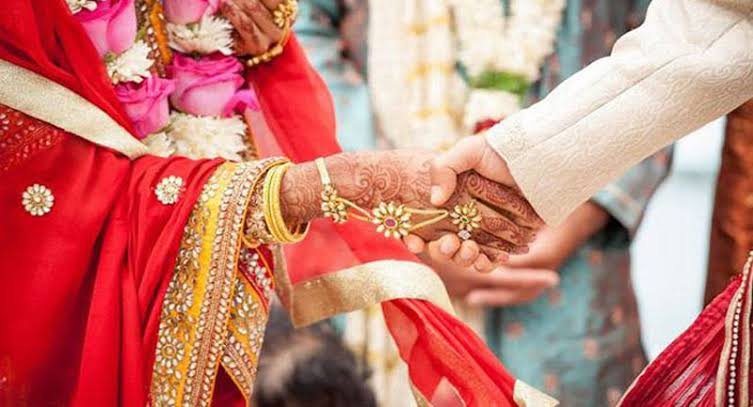
The Mehndi often takes place in the daytime the day before the wedding. The bride’s immediate family and friends congregate here for a party. The bride has henna, or mehndi, applied to her hands and feet, covering her hands up to her elbows and her feet up to her knees.
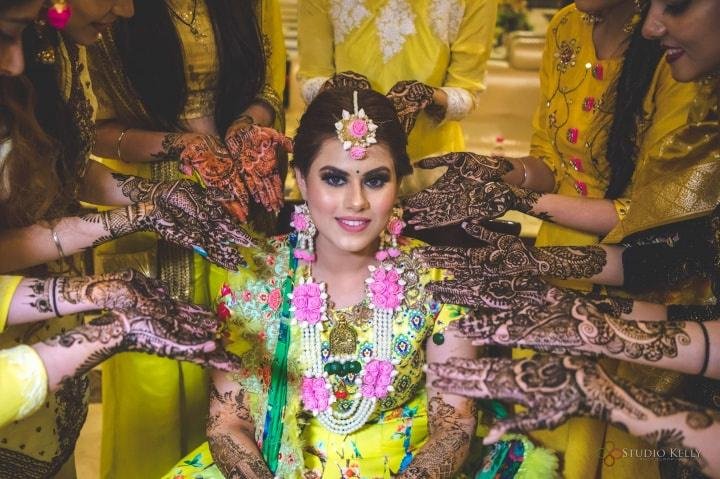
Additionally, almost every other female present participates in the henna and mehndi applications on their hands.
Haldi
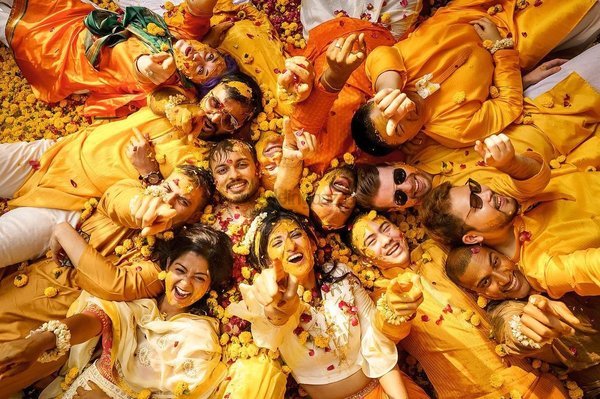
The haldi ceremony, which takes place as the final event prior to the wedding, is a crucial event. Prior to their wedding, the couple participates in the Haldi ceremony, during which their relatives get together to cover them with oil, water, and turmeric. The concoction is thought to bless the pair and is applied to their skin and clothing everywhere.
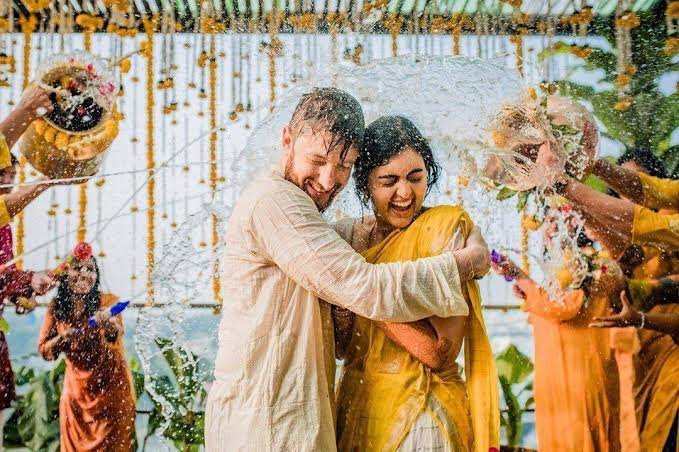
The bride and groom’s vivacious glow from the haldi is an additional bonus of the event. It can take place the day before the wedding or even the morning of.
Baarat
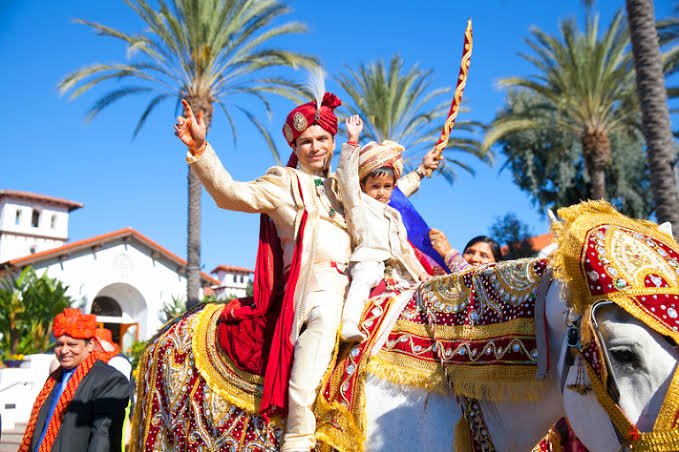
The raising of the Baraat signals the start of the wedding festivities themselves. Following a brief pooja, the groom mounts a horse and rides toward the wedding venue with his family, friends, and, of course, a band of dhols. The Baraat is the term used to describe the groom’s entry into the altar. Everyone dances to the beat of the dhol during the Baraat, which is like a miniature festival in and of itself.
Milni

Milni, sometimes referred to as milniyaan, occurs when the baraat arrives at the wedding venue’s door. In Hindu weddings, it is customary for the bride’s family to present the groom’s family with presents when they first meet (usually the male members from both the sides). The bride’s uncle would receive the groom’s uncle during this ceremony, and the bride’s brother would receive the groom’s brother, and so on.
Bride Entry

Any wedding’s bride entry is a sentimental and lovely occasion. A bride is compared to the goddess Laxmi in Hindu wedding custom. Her arrival at the bridegroom’s home is celebrated with a great deal of reverence and good fortune. In every community, the bridal entry is conducted differently.

In some, the bride enters the church with her father or brother and proceeds to the mandap while passing beneath a phoolon-ki-chadar or a red chunni. In Bengali custom, the bride is actually carried to the altar by her brothers while being raised on a palki. Every community has a custom for the bride’s entrance, but as time has gone on, things have significantly changed, and now brides can make their own fun and individual entrances!
Jaimala
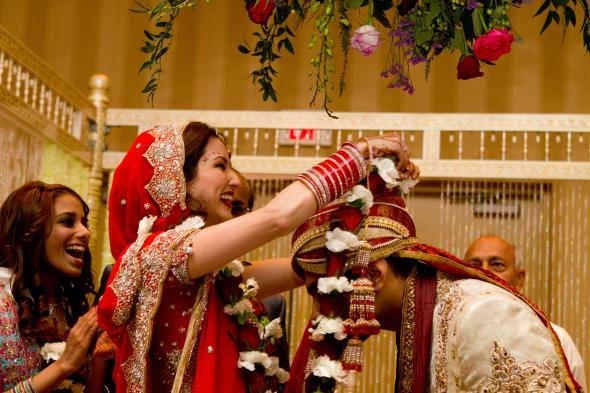
A Hindu wedding ritual called Jaimala or Varmala is the first ceremony to take place at the wedding location in front of a huge crowd of guests. This happens after the bride enters the chamber with her sisters and joins the groom on stage. In a modern marriage, the bride and groom place floral garlands around each other’s necks before posing for elaborate photos and exchanging gifts.The ceremony is thought to represent the union of two souls, two families, two sets of values, and two sets of clients. The Hindu priest invokes the nine planets, each of which blesses the couple for leading a happy life together, before the other wedding rituals start. This ritual is known as Graha Shanti.Kanyadan
Kanyadaan
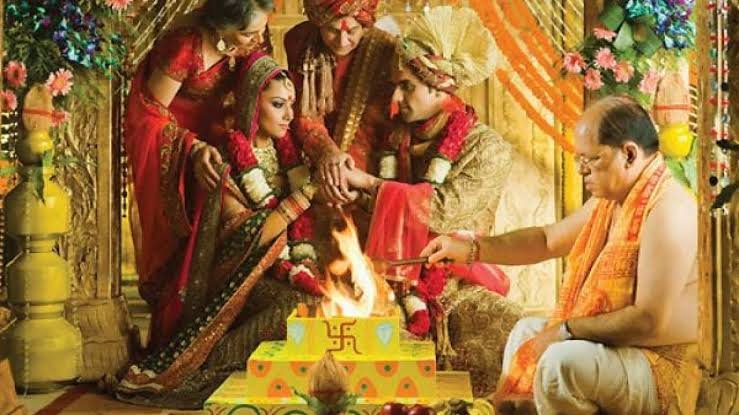
The Sanskrit term “kanyadaan” means “giving the daughter away.” And as the name implies, it refers to the custom of parents giving their daughter in marriage to the groom. The Hindu community’s beliefs are deeply ingrained with the symbols. The bride is viewed as a manifestation of the Goddess Laxmi during the wedding ritual, whereas the husband is viewed as a manifestation of Lord Vishnu.
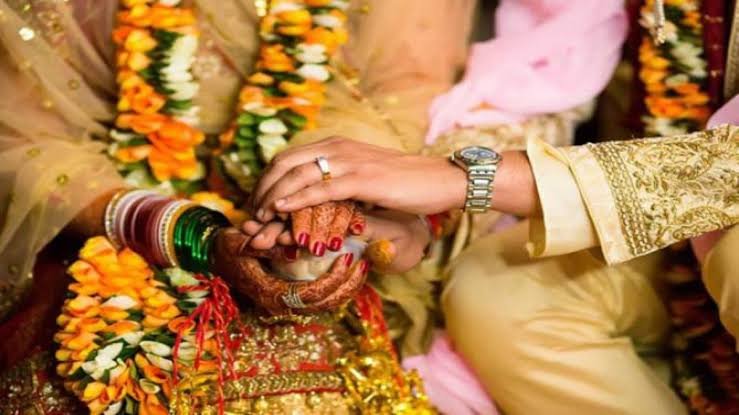
Through this rite, the bride’s parents are starting the union of two gods. It also signifies the bride’s parents’ approval of the groom becoming their son-in-law. Although each community has a unique method for achieving things, the fundamentals are the same across the board.
Phera
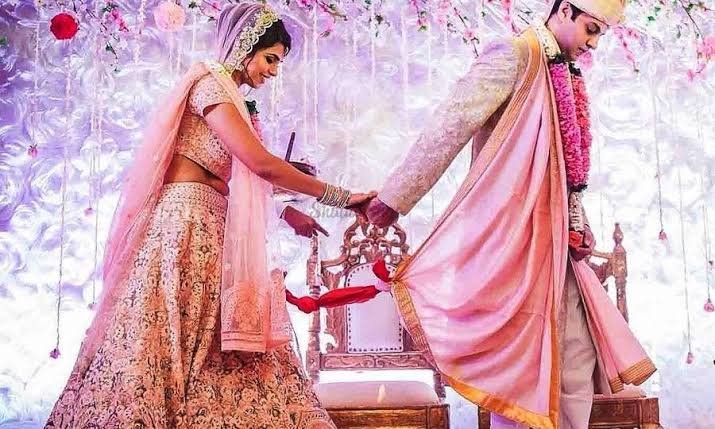
The bride and groom proceed to the pheras after the chanting and sacred hymns have been recited. The Saptapadi, or the seven steps, is another name for it. The bride and groom take seven steps after the bride’s sindoor is applied and the Mangalsutra is tied around her neck.
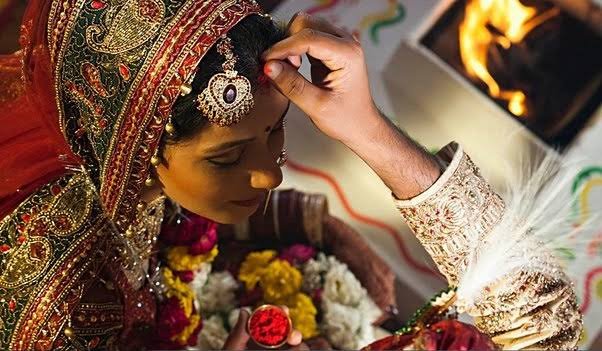
After taking their seventh step, the couple is formally married. One of the most significant aspects of a Hindu wedding is the saat phere, which entails seven rounds around a sacred fire kindled for the occasion while chanting Vedic mantras. Vows made in front of the sacred fire are regarded as unbreakable, and Agnideva (the God of Fire) is believed to have witnessed and blessed the union of the couple. Each phera has a particular significance.
Jutta Chupai
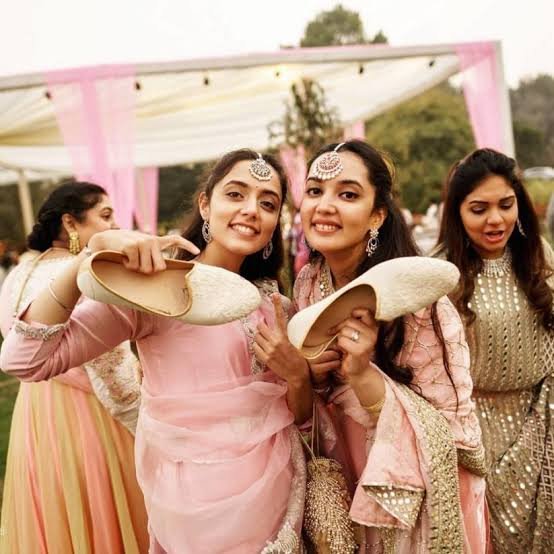
When the bride’s sister-in-laws playfully hide the groom’s shoes just before he enters the mandap, it is known as jutta chupai or jutti chupai. Considering that the issue is ultimately one of pride rather than money, both sides have strategies up their sleeves. Therefore, the bride’s side would seek for the ideal moment to make the move, and the groom’s side would ensure that this “move” didn’t take place.
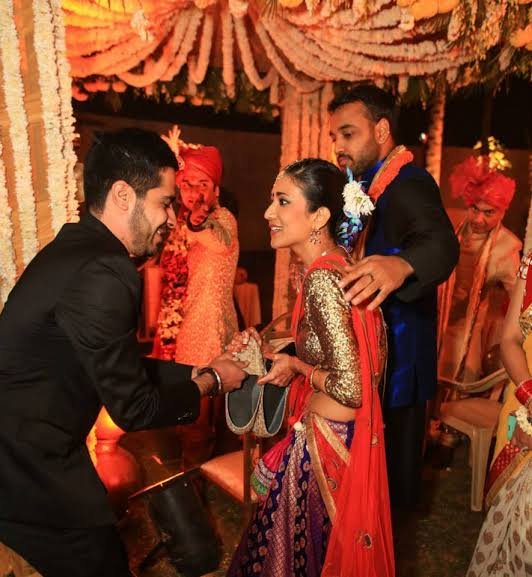
Future in-law sisters scout out opportunities to steal his shoes so they can later demand payment in exchange for them. The groom will have no choice but to pay them money if they are successful in their mission to steal the shoes.
Vidai
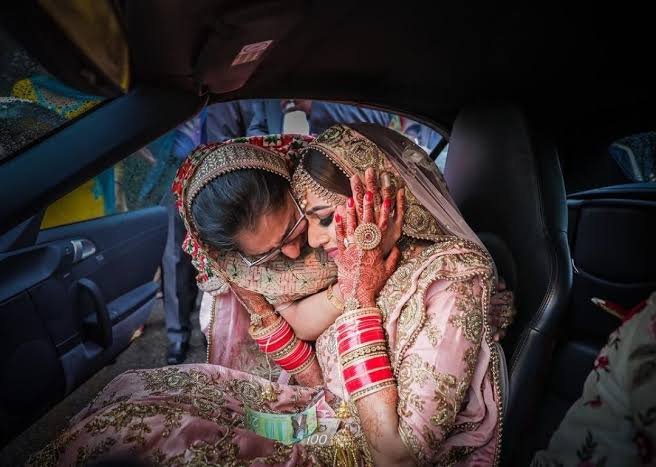
The bride says goodbye to her family during the bidaai and departs with the groom and his family. a ceremony for bidaai. On the one hand, the parents send their daughter off to a fresh start, and she thanks them for caring for her all these years on the other. While moving toward the exit gate, the bride throws cash, flower petals, and rice/wheat grains towards her parents from behind (without turning around).
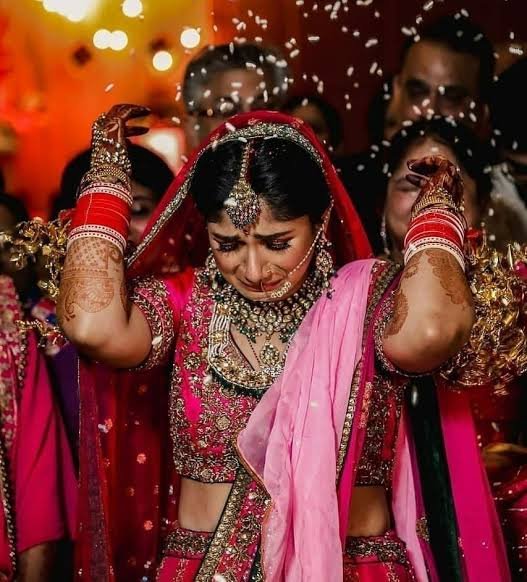
This particular practise represents her appreciation and her attempt to make up for her parents’ “dues.” Before leaving the house, the bride engages in this ceremony of throwing rice five times, and the family members gather them in their hands as a memento.


