selectvenue
 Amazing food from Sindhi cuisine, enormous amounts of drinking and dancing, and extremely thrilling ceremonies are all hallmarks of a Sindhi wedding. Even though many of the Sindhi marriage customs are similar to those of other communities—such as Punjabi, Marwari, Sikh, and other weddings—it is Sindhis’ own sense of insanity that gives weddings their unique character.

Pre Sindhi Wedding Rituals


- Kacchi Mishri: After both parties agreed to the marriage, this is the first formal ceremony. The bride and groom have a casual engagement, and as a token of their love, they are given coconuts and mishri (sweets). On this day, the bride’s family and the groom’s family exchange gifts known as shagun. Ladki rokna is another name for this ritual (engaging the girl).
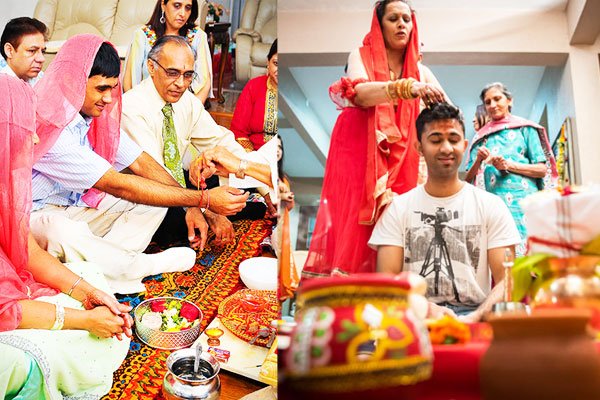
- Pakki Mishri: This is the official engagement, which happens a week before the wedding. The priest is present as the couple exchanges rings at this time. A basket filled with fruits, clothing, cosmetics, and ornaments is given to the girl and set on her lap. This shows that the bride’s family has accepted her. With specifically purchased cosmetics, the bride-to-sister be’s and sister-in-law applied makeup. Five kilos of mishri (sweets) from the bride’s family are brought in an earthen pot, which the mother of the groom opens. Following this, seven married women use red powder to paint a portrait of Lord Ganesh on the pot. This is a means to pray to God for the couple’s blessing. The bride’s family also sends the groom’s home with all of his wedding attire and extras. Finally, the pair exchange garlands, and the groom’s family acknowledges the engagement by feeding the bride’s family dessert. The priest now determines the precise time for the marriage by matching the horoscopes of the bride and the groom.
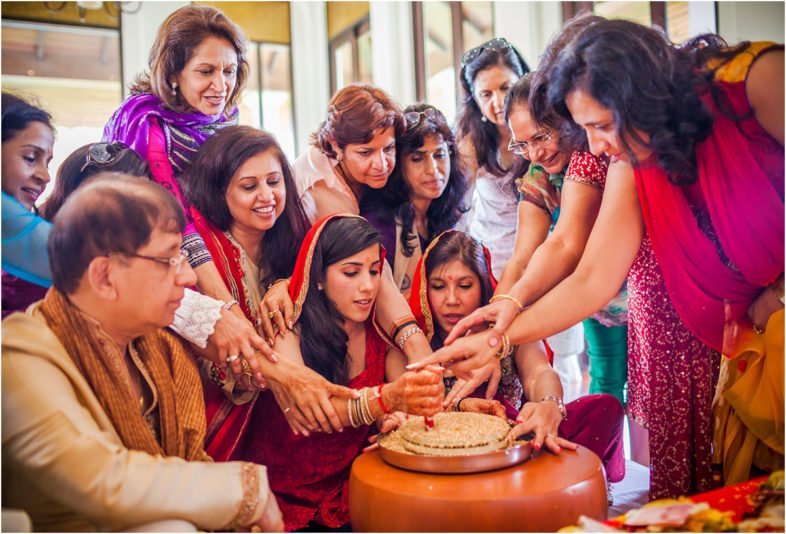
- Dev Bithana: This ceremony serves as the official kickoff to all celebrations. It often occurs five to six days before the wedding. A chakki (stone grinder) is installed by a Brahmin priest as a family god, and it is worshipped throughout the wedding. This ceremony is held separately in the homes of the bride and the groom. A thread is wrapped around a few holy items that have been placed on this chakki as family members put tilak on them. The bride and groom are not permitted to leave the house following this ceremony until the wedding is over. The bride’s and groom’s respective in-laws serve as guards and tend to their needs. They are called Ainars, which is Arabic for “marriage guards.”
- Lada: The Sangeet ceremony, which is carried out during Punjabi weddings, is comparable to this. Women from the neighbourhood are asked to take part in this musical night, which is traditionally hosted by the bridegroom’s family. To the rhythm of the dholak and thali, traditional folk melodies called Ladas are performed, while visitors dance and celebrate the event.
- Tih: The wedding ceremony is held the day before this ceremony. A small bag of rice, a coconut, nine dates, twenty-one sweet nibatas (sugared candy bars), sugar, cardamom, cloves, a green silk yarn, and the lagna of the marriage (the auspicious time fixed for the wedding) written on a piece of paper are among the items that the priest of the bride’s family brings to the home of the groom. The priest then performs a brief puja in which he honours Lord Ganesha before placing the piece of paper on the groom’s lap that contains the wedding time. The elders who were present for the ceremony’s blessings are then given to the groom.
- Saanth: This ritual takes place in the bride and groom’s respective homes the day before the wedding. Seven married women pour oil on the bride’s hair’s middle section as a priest performs a puja at her home. The bride and groom’s garments are torn off at the conclusion of the ceremony, which is likewise held at the home of the groom. This represents driving out the old and ushering in the new while also driving out any evil spirits.
- Mehendi: The bride’s house hosts this ceremony the day before the wedding. The bride has beautiful heena decorations on her hands and feet.
- Banwa: As part of this practise, a grinding stone is set up as a temporary household deity. This rite is performed by the priest.
- Baraat: This is the wedding procession for the groom. The groom arrives on a horse back accompanied by his friends and relatives.
- Swaagat: During this ritual, the bridegroom and his family will be greeted with a petal shower, garlands, and presents. The bride is supposed to see the groom as he dismounts the horse according to tradition.
Sindhi Wedding Rituals

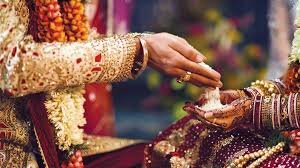

- Jaimala: The exchanging of garlands between the bride and the husband is meant by this. Following the groom’s feet being cleansed, this happens.
- Pheras: This happens at the lucky hour decided upon during the engagement ceremony. Only four pheras are held in a Sindhi wedding, despite Hindu weddings having seven. The bride takes the helm for the last round while the groom leads the first three. A Sindhi wedding ceremony is now complete, but there are still a few minor rites that must be carried out. The ceremony is only deemed over until the Dev installed at the bride’s home is removed.
Post Sindhi Wedding Rituals
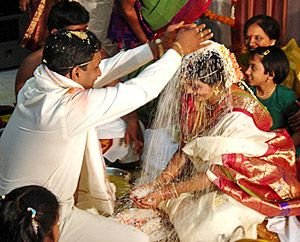

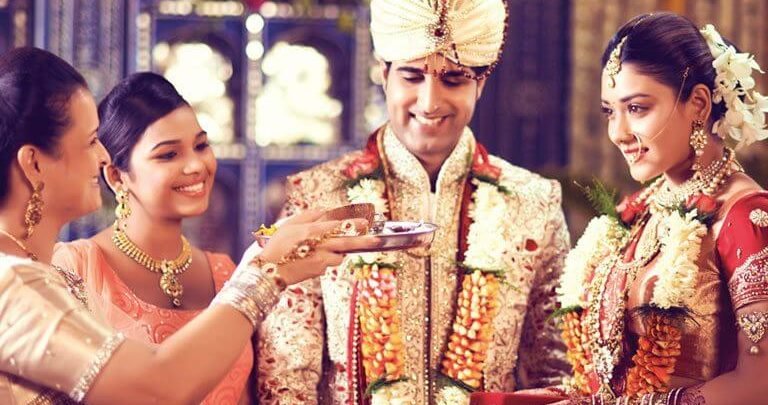
- Vidai: The bride must say goodbye to her family, so this is typically a melancholy ceremony. The groom’s father lavishly presents the bride. The bride is graciously welcomed by her new family.
- Datar: The bride’s entrance into her new home is marked by this. The bride scatters milk over the home and hands her husband a handful of salt, which he carefully transfers back to her without spilling any of it. This ceremony is performed three times with all of the participants in attendance.
- Gadjani: The couple is introduced to close friends and family members of the groom’s family at this very informal celebration.