 selectvenue
 The celebration of the end of one year and the start of the following is known as “New Year’s.” The first day of January is frequently regarded as a national holiday around the world according to the Gregorian calendar, which is currently the most popular calendar system. It is the beginning of a new year.
Many people throughout world celebrate this festive occasion with loved ones or in large gatherings. One month before to the new year, people all around the world start making plans and preparations. Regardless of caste or culture, it, like any other celebration, it brightens the lives of numerous people all over the world. People of all ages enjoy celebrating and learning about New Year’s Eve. From Christmas Eve through New Year’s, almost all educational institutions announce a winter break (January 1). As the first day of the year, New Year signifies a new beginning while leaving the previous year behind, and as such, tends to bring happiness into people’s life.
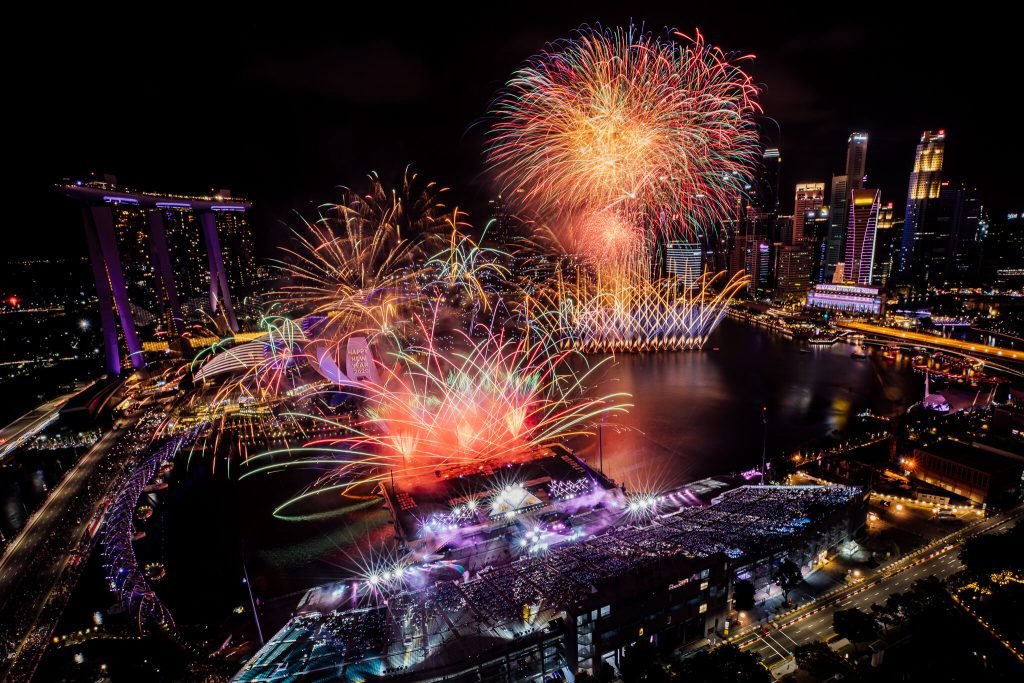
New Year’s Day celebrations vary widely across different cultures, and certain parts of the world have specific traditions associated with the day. The New Year is a time for people to put all of their bad experiences behind them and take a positive step into the future. Everyone wishes for their own and their loved ones’ happiness, health, and prosperity in the coming New Year. For children, a new year is incomplete without three things: a Christmas tree, a New Year’s Eve party with new dresses, holiday.
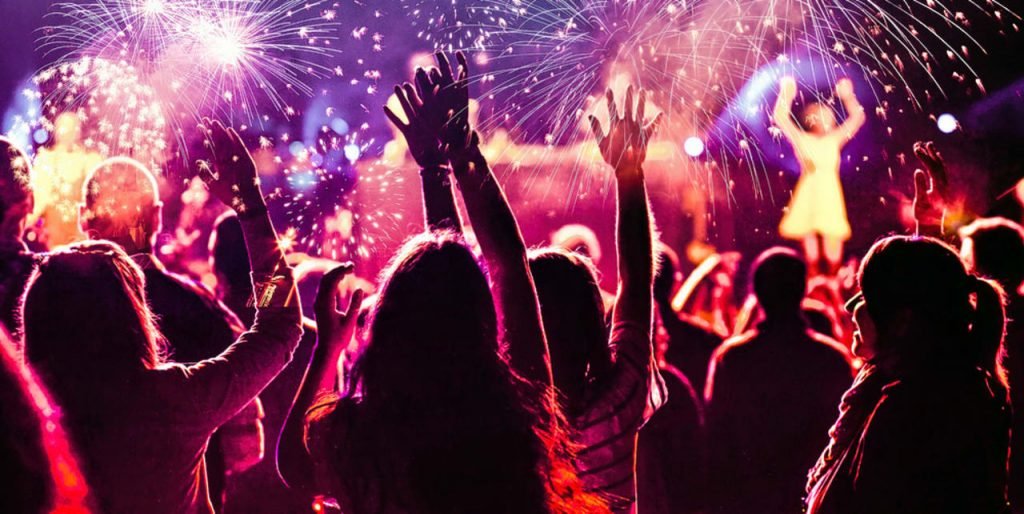
What People do?
Every home around the world observes a variety of additional rituals and traditions on New Year’s Day. This day is commemorated in many ways throughout all cultures.

Depending on their religion, everyone in India celebrates the New Year on a different day. But because of the impact of Western culture, most people now observe New Year’s Day on January 1 also. Everywhere in India, people wear vibrant clothing and participate in entertaining activities like singing, playing games, dancing, and going to parties. There are individuals of all ages in nightclubs, movie theatres, resorts, restaurants, and theme parks.
Happy New Year greetings are exchanged between individuals. Messages, cards, and gifts are all exchanged as part of the New Year’s festivities. Numerous New Year’s festivities are covered by the media and are shown on premium channels throughout the most of the day. Planning fresh resolutions for the upcoming year is a time-honoured custom.
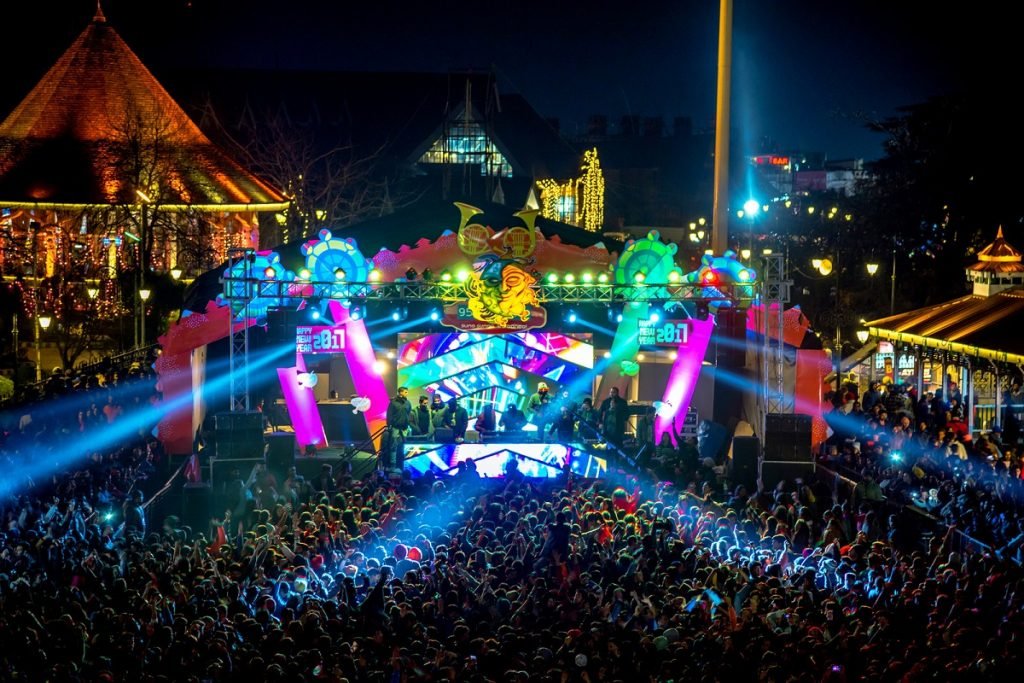
Bollywood stars and other well-known people attend live performances that are held in some cities, including Mumbai, Delhi, Bangalore, and Chennai. While large audiences congregate to watch such performances, some people choose to celebrate with their close friends and family. The enjoyable event is seen as a wonderful chance to reconnect with friends who have drifted away and to strengthen bonds with family members. The purpose is to bid farewell to the previous year and welcome the new one in the hopes that it will usher in an abundance of joy and happiness in everyone’s life.
History of New Year
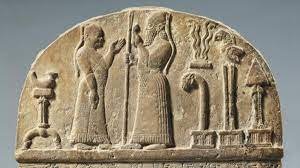
The arrival of the New Year signals that it is now time to say goodbye to the previous year and welcome the new one. Every year on March 1st, the New Year was traditionally observed. However, because January 1 is thought to have a more religious importance, this date was changed to that day. Around 4,000 years ago, the earliest New Year’s celebrations took place in the ancient Mesopotamian city of Babylon. One theory holds that the origin of New Year’s Day is in Romania. During his reign (about 715–673 BCE), the Roman king Numa Pompilius changed the Roman republican calendar such that January took the position of March as the first month. In 46 BCE Julius Caesar introduced more changes, though the Julian calendar, as it became known, retained January 1 as the year’s opening date.
Significance of the New Year
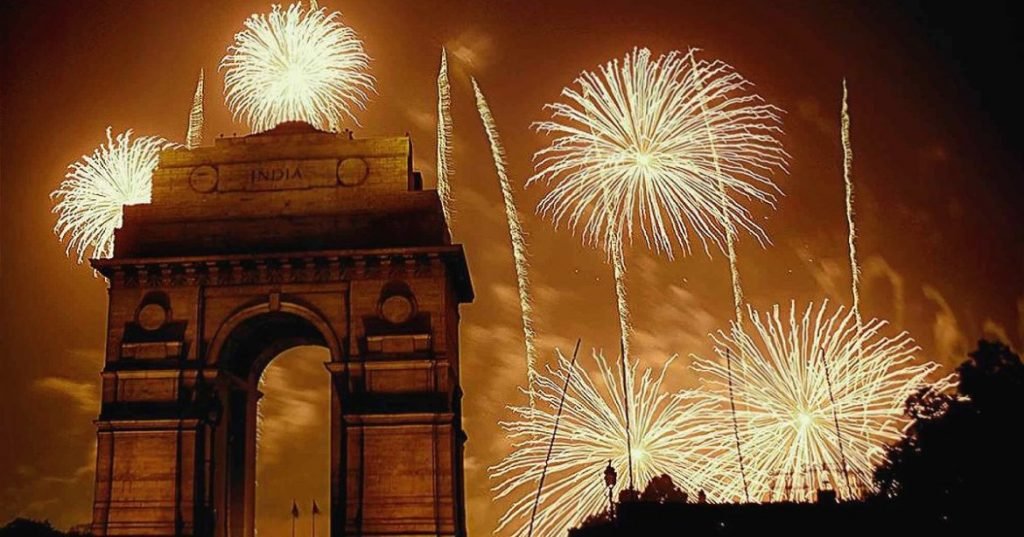
Every nation and every person have special traditions on New Year’s Eve. The beginning of a new year inspires us to embark on new endeavours and provides us with the drive to live our lives with newfound vigour and delight. The New Year is a time when we reflect on the mistakes we made the previous year, make a new vow or promise, and start working diligently toward our goals. It is comparable to a festival that gives us new life energy, elevating the importance of the New Year in our lives.
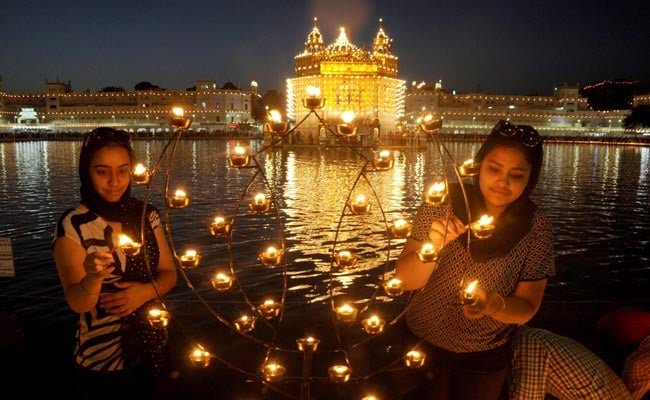
In different regions of India, there are different New Year’s days with names like Ugadi, Gudi Padwa, Vishu, Puthandu, Pohela Boishakh, Bihu, Baisakhi, etc. This is a reflection of the rich culture of India, where a number of events are held in each region to mark the beginning of this important day in a distinctive and traditional manner.
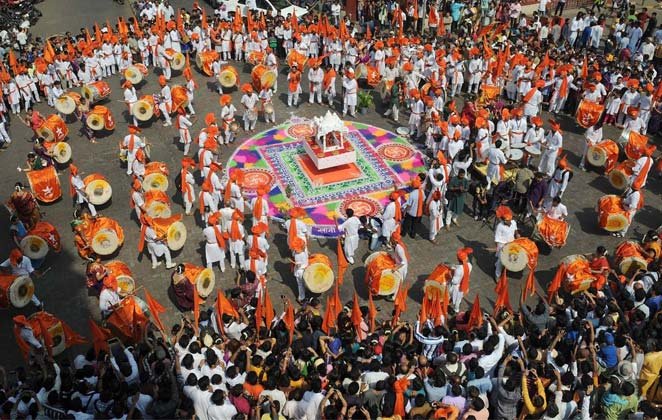
The way that the New Year is celebrated throughout all of India is distinctive; each region has its own style, customs, and reasons to celebrate. In April, Punjab celebrates the New Year on the 13th, Assam on the 14th or 15th, Bengal on the 14th or 15th, Gujarat on the Karthik Shukla Pratipada, Kerala on the day the Sun enters the constellation Leo in the month of Medam, Karnataka and Andhra Pradesh on the Chaitra Shuddha Prathipade, Sikkim on the 18th day of the 10th Tibetan lunar month, and Tamil Nadu on the 13th April, Muslims on the very first day of Muharram.