selectvenue
Rajasthani weddings are full of colour, sparkle, and tradition. They are an ode to joy. Rajasthan’s marriage customs are a product of the state’s vibrant cultural diversity, ancient Marwari traditions, and Rajputana heritage. These traditional marital practises ultimately contribute to the lavish Rajasthani weddings, which are adorned with contemporary elements.

Here are some Marwari wedding traditions:-
Tilak ceremony

The traditional Roka ritual, in which the forthcoming marriage is formally proclaimed, is analogous to the Tilak ceremony in Rajasthani weddings. The males from the bride-to-home be’s participate in a masculine ritual and bring gifts for the groom and his family (a sword, clothes, jewellery, sweets). The groom is given a Tilak by the bride’s brother. These days, a ring ceremony or sagaai is held immediately after this.
Byah Haath

Women from both families create the Mangodi, a confection made of lentils and jaggery, during the Mangal geet ceremony, which is customarily done a week before the wedding once the date is decided upon in the Byah Haath.
Naandi Ganesh Pooja
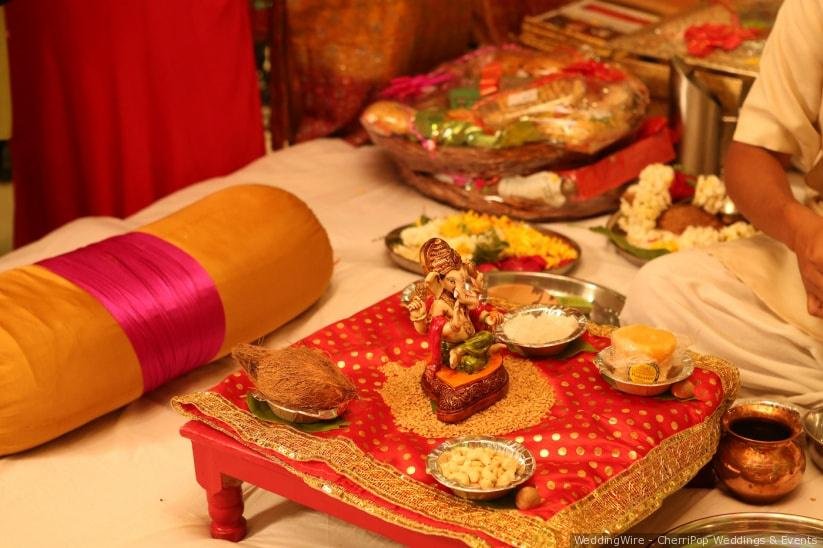
In order to ensure a peaceful and trouble-free wedding, Lord Ganesha and other family deities are worshipped during the Naandi Ganesh Puja, which serves as the official invitation custom.
Bhaat Nyotana and Bhaat Bharna
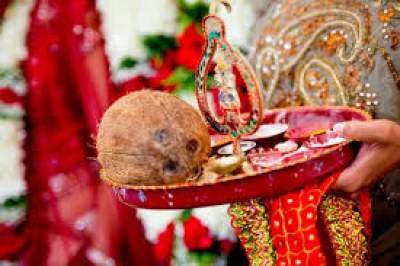
In order to properly invite her side of the family (the maternal side) to the wedding, the mother of the bride or groom gives Bhaat Nyotana, a party. Joyful celebrations mark the event, and as part of a tradition known as Bhaat Bharna, all of her relatives present her with gifts thereafter.
Mehendi
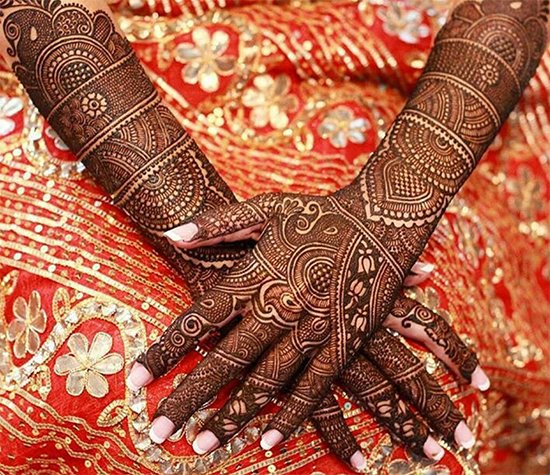
During the lively Mehndi ceremony, the bride has her hands decorated with lovely henna designs while her family members sing, dance, and have a good time. Marwari weddings are distinctive in that the groom frequently commissions some henna art as well.
Geet Samelan
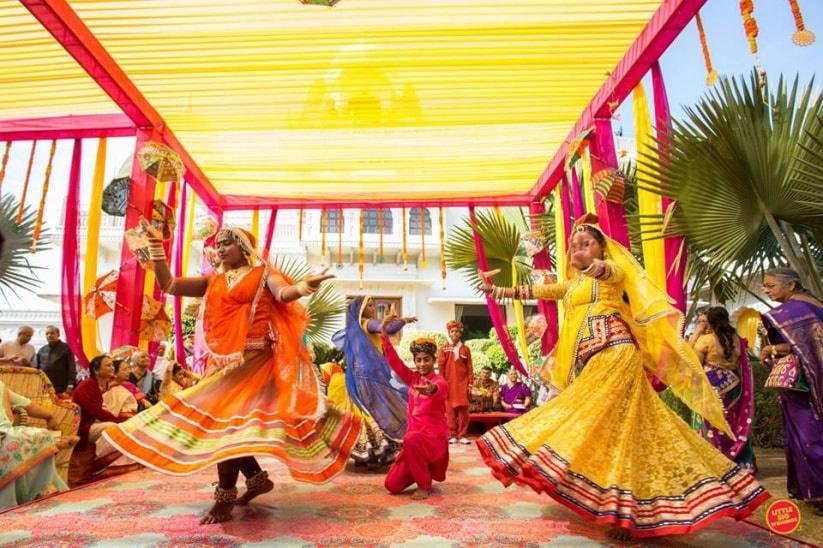
In Marwari culture, it is a night of dancing, feasting, and entertainment that the bride and groom enjoy with their retinue and family. It is the equivalent of a bachelor or bachelorette party. With the exception of the groom, who is the only guy permitted to attend the celebrations, the bride’s party is all female. Likewise, only men make up the groom’s party. This is frequently held right before the nuptials. This event, which was once known as a Mehfil but is now known as the Geet Samelan, is a time for song and celebration where both men and women gather with their families to take part.
Telban
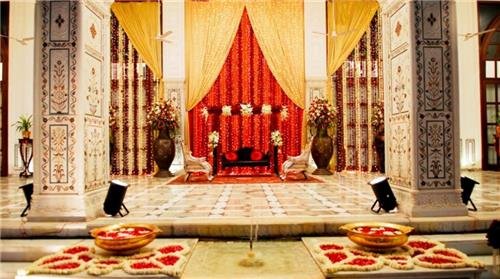
The Telbaan function, which is hosted in the homes of the bride and groom, respectively, kicks off the wedding day. Their maternal uncles give them shagun money and feed them jaggery treats called ghunghra. They also drench them in mustard oil and curd.
Pitthi Dastoor
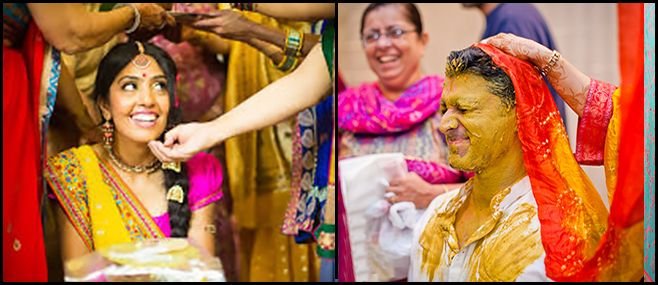
Pitthi Dastoor is a function comparable to the Haldi function. For a bridal glow, the bride and husband are smeared in turmeric paste before being bathed with holy water.
Nikasi
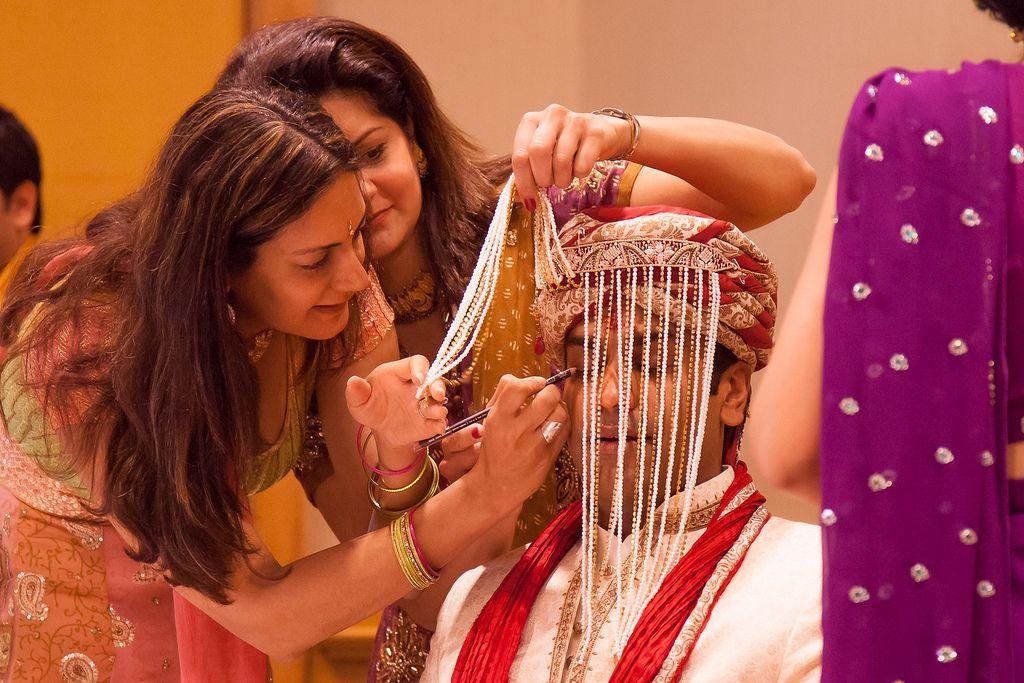
Just before the baraat departs for the mandap, the groom’s sister conducts the Nikasi ritual. To ward off any sign of evil, she ties the sehra on the groom and a golden thread on the exquisitely decorated mare he mounts.
Baraat

The groom then departs with his baraat for the wedding location among a crowd of joyful family members and friends who are dancing and singing.
Baraat Dhukaav
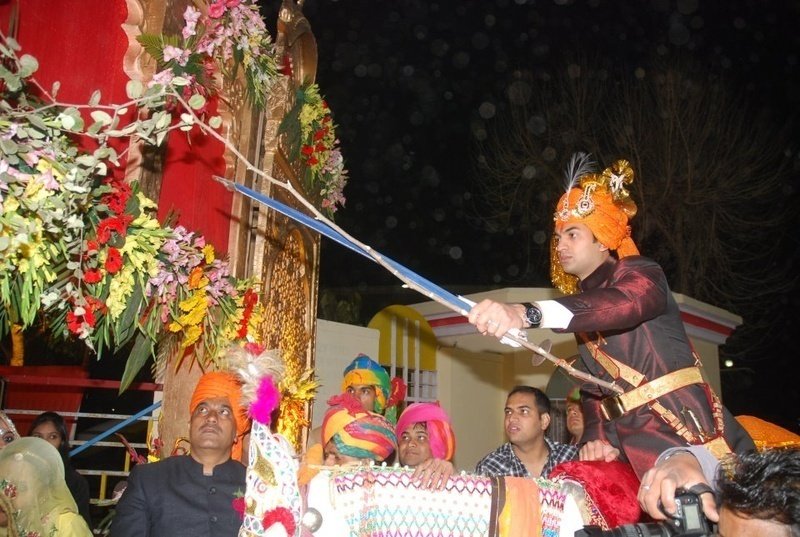
The bride’s family welcomes the baraat at the wedding venue’s entrance. To greet the husband, the bride’s mother conducts an aarti and serves him water and sweets.
Jaimala
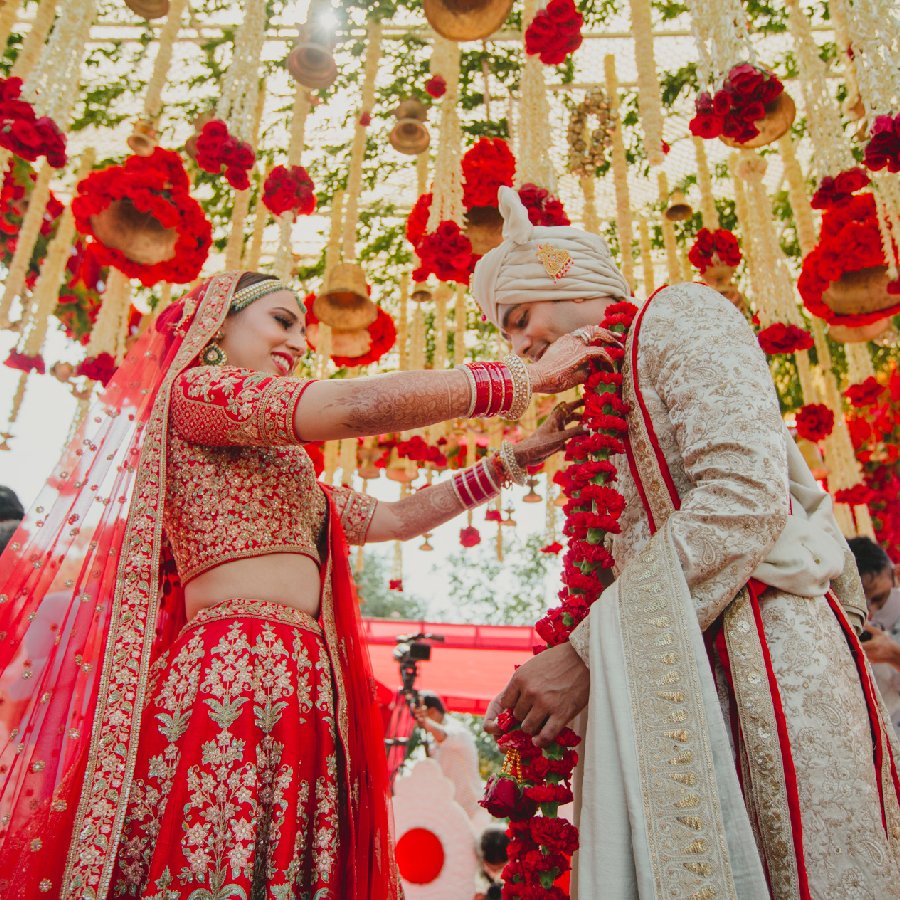
The bride places seven suhalis, a type of food, over the groom’s head after being led to the mandap. After then, they trade garlands.
Kanyadaan and Panigrahan
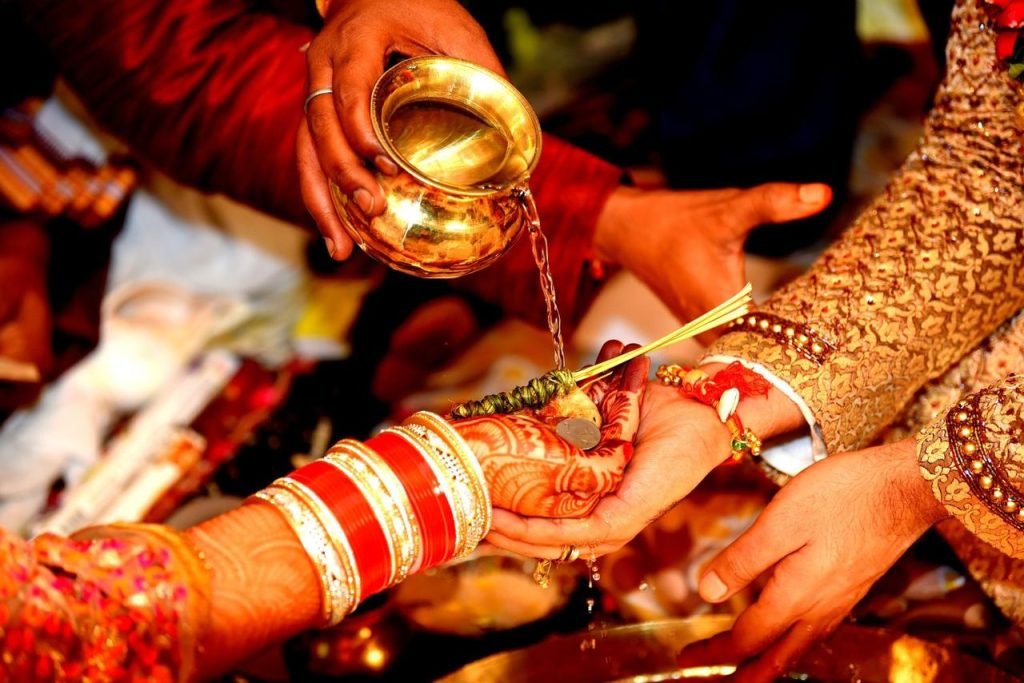
The father formally presents his daughter to the groom during the Kanyadaan (giving away) ritual. From that day on, he requests that he accept, love, and care for his daughter. Also requested from the bride is acceptance of the husband, his family, and their last name. The groom’s hand is then clasped in by the father of the bride. A sacred thread is then used to link their hands together, signalling the end of the ritual.
Phere
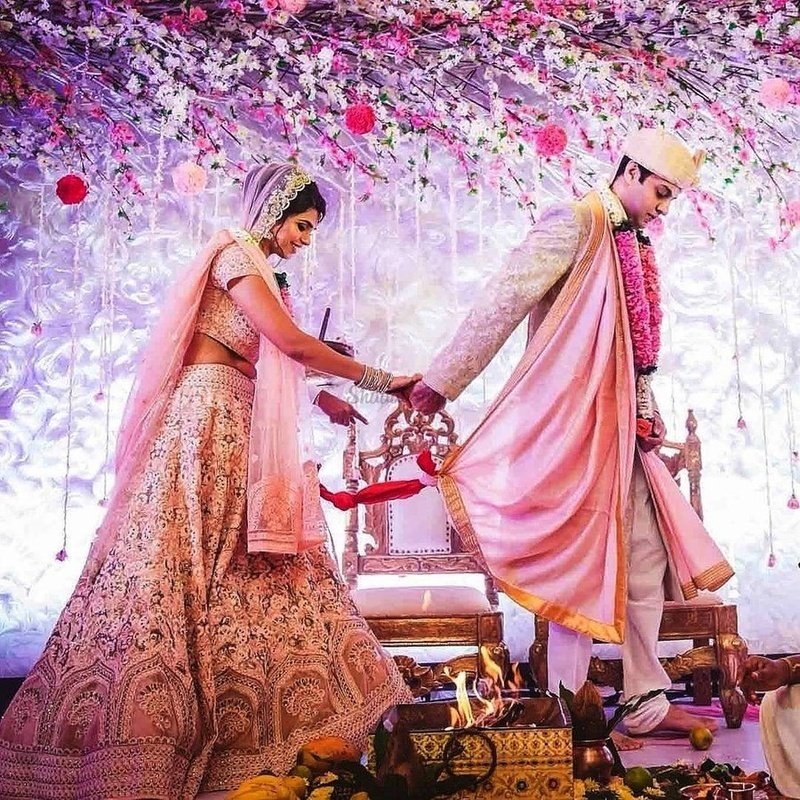
The vows that will govern their marriage are then chanted while the bride and groom make seven circle around the holy fire.
Ashwarohan
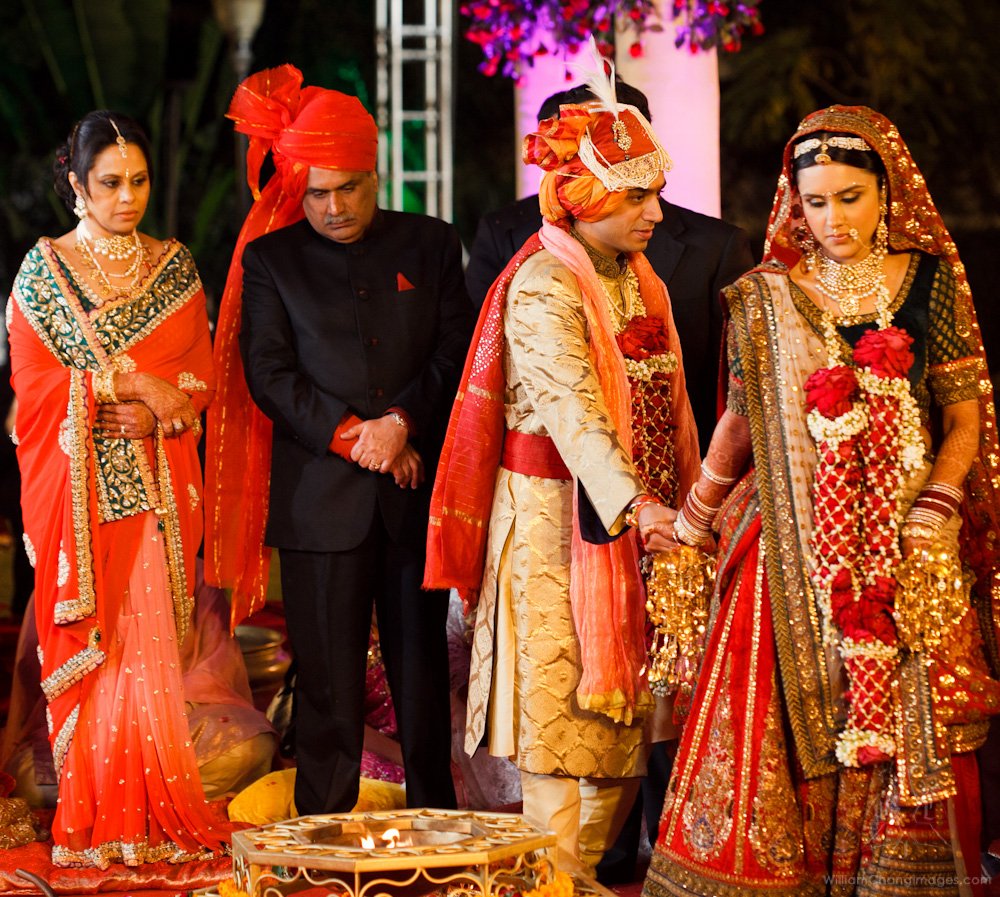
The bride steps seven times on a grinding stone to advance it. The bride overcoming any challenges in her married life with strength and drive is symbolised by the rite.
Vamang Sthapna
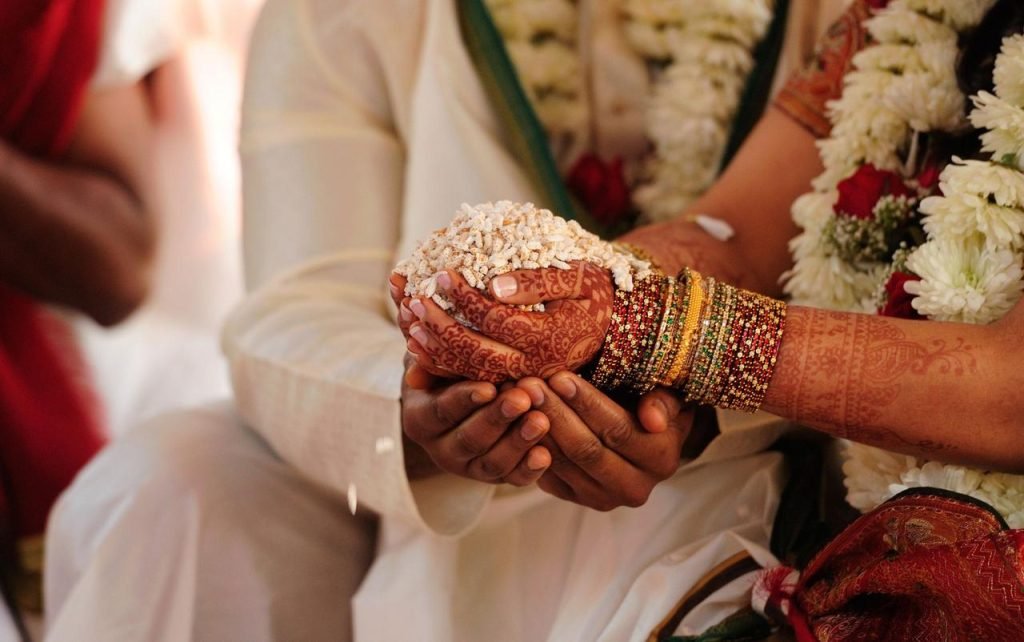
A handful of puffed rice is given to the bride by the bride’s brother three times so that she might offer it into the holy fire with the groom. They then take a seat, with her by his left side to signify that she is now a member of his family.
Sindoor Daan
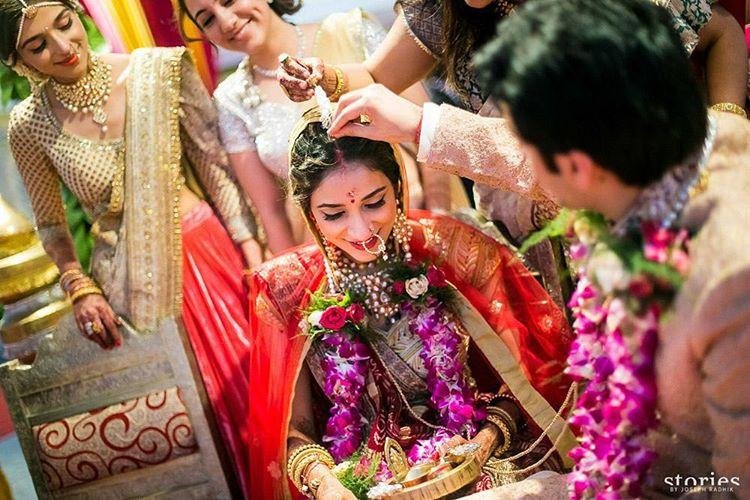
In Indian culture, sindoor, or vermillion, is applied by the groom at the bride’s hair parting as a sacred symbol of marriage. The bride is then given a nath (nose ring), which she is expected to wear after the wedding, by the mother of the groom.
Aanjhala Bharai
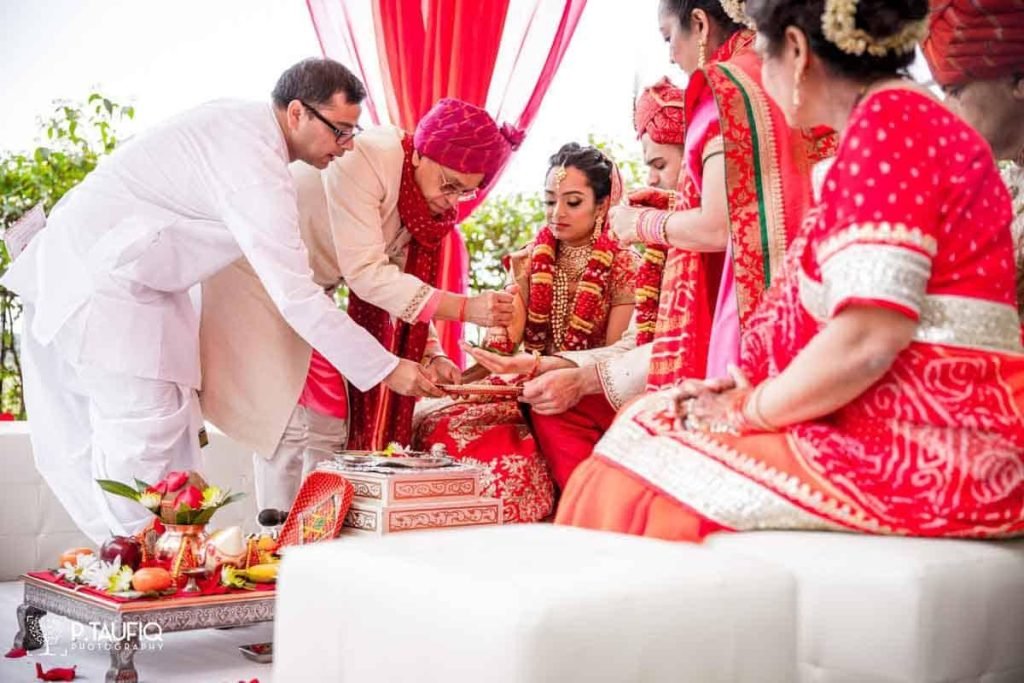
One of the most significant Marwari wedding rituals is the groom’s father wrapping the bride in a holy chunari, which she is expected to carry with her for all of eternity after the wedding. Additionally, he gives the bride a bag of cash that she must divide evenly between her sister-in-law and her husband. This represents the bride’s acceptance into her new family and her acceptance of responsibility for the family’s financial management.
Vidaai
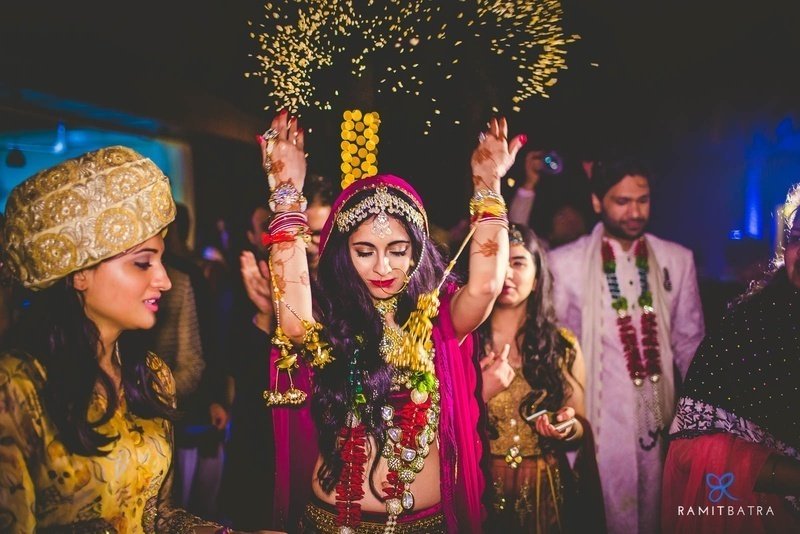
In the bride’s kitchen, a thali puja is done for the pair. The bride receives a dried coconut that has been stuffed with money and sugar for her mother-in-law. A tearful farewell is used to say goodbye to the pair. After breaking a coconut next to the car’s wheel, they drive to the bride’s house.