selectvenue
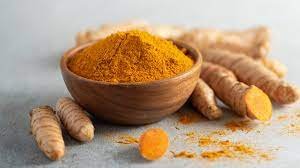
 Turmeric is a spice that comes from the turmeric plant. A relative of ginger, this vivid yellow-orange spice is common in Indian, Southeast Asian, and Middle Eastern cooking. It is commonly used in Asian food. It has a warm, bitter taste and is frequently used to flavor or color curry powders, mustards, butters, and cheeses. But the root of turmeric is also used widely to make medicine. It contains a yellow-colored chemical called curcumin, which is often used to color foods and cosmetics. It’s also been used as medicine in India for centuries to treat issues such as breathing problems.
Turmeric has been used by Ayurvedic healers as medicine since the olden days. Popularly known as Haldi, this powerful spice is also a go-to option while dealing with numerous health ailments. Whether consumed or applied, its benefits are plentiful. Turmeric is commonly used for conditions involving pain and inflammation, such as osteoarthritis. It is also used for hay fever, depression, high cholesterol, a type of liver disease, and itching, but there is no good scientific evidence to support these uses.

Turmeric contains the chemical curcumin. Curcumin and other chemicals in turmeric might decrease swelling (inflammation). Because of this, turmeric might be beneficial for treating conditions that involve inflammation.
Anti- Inflammatory
One of turmeric’s main claims to fame is that it’s commonly used to fight inflammation, and the bulk of turmeric’s inflammation-fighting powers can be credited to curcumin. In fact, in the right dose, curcumin may be a more effective anti-inflammatory treatment than common inflammation-fighting medications such as Advil and Aspirin, according to a past study.
Research has shown curcumin to be highly effective in reducing inflammation. The anti-inflammatory effect of curcumin is most likely mediated through its ability to inhibit cyclooxygenase-2 (COX-2), lipoxygenase (LOX) and inducible nitric oxide synthase (iNOS).
As chronic inflammation contributes to many chronic diseases, curcumin may help treat conditions like inflammatory bowel disease, pancreatitis, and arthritis.
Help ease Arthritis
The potential health benefits of turmeric, and curcumin in particular, include better regulation of inflammation in the body. Studies comparing the anti-inflammatory properties of turmeric against those of non-steroidal anti-inflammatory drugs (NSAIDS) have shown great promise. Moreover, animal studies exploring curcumin’s therapeutic potential as a treatment for arthritis have been encouraging. That said, we need more well-designed clinical trials to determine the efficacy of curcumin for arthritis patients, especially for those who rely on NSAIDS for the management of these conditions.

Support the Immune system
The studies suggest Turmeric may act as an immune modulator influencing important immune cells including T cells, B cells and Natural Killer cells. In addition to this, turmeric appears to down-regulate pro-inflammatory compounds called cytokines, the prolonged activity of which can lead to inflammatory damage. When consumed at low doses, curcumin may also enhance our antibody responses, helping us fight off infection. Animal studies suggest it may even play a role in controlling allergy, including hay-fever.

Help Ease Symptoms of Osteoarthritis
Thanks to its potent anti-inflammatory properties, turmericmay be a safe and effective long-term treatment option for people with osteoarthritis (OA). In a past study, people with osteoarthritis who took 1,000 mg/day of Meriva experienced significant improvements in stiffness and physical function after eight months, whereas the control group saw no improvements. Meriva is a proprietary treatment made up of a natural curcuminoid mixture, phosphatidylcholine and microcrystalline cellulose.
And a study in mice published in the June 2016 issue of Arthritis Research & Therapy found that 50 mg oral curcumin per kilogram (kg) body weight significantly slowed the progression of OA, whereas a topical curcumin treatment provided pain relief. That said, whether these benefits would apply to humans has yet to be seen.

Improve Skin Health
The anti-inflammatory, antimicrobial, and antioxidant properties of turmeric is an an effective treatment for a variety of skin conditions, including acne, eczema (atopic dermatitis), photoaging, and psoriasis. Yet robust research is lacking.
One review published in the January 2018 issue of Open Access Macedonian Journal of Medical Sciences suggests oral curcumin in particular may be an effective and safe treatment option for psoriasis (a chronic inflammatory skin disease), but more studies are needed before making recommendations.
Topical curcumin treatments may be useful in treating skin disorders, especially as past research suggests curcumin is relatively safe even at high doses. But curcumin’s bright yellow-orange color, poor cheap steroids pills for sale solubility, and poor stability at a high pH make it an unappealing topical skin treatment.