 selectvenue
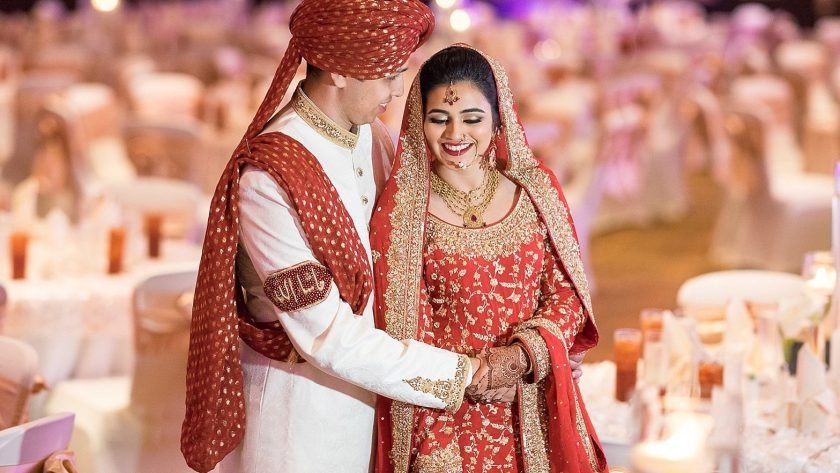
 Marriage is one of the key tenets of any religion’s culture. Muslims take the sacred wedding ceremony very seriously because they see it as one of their fundamental duties. It marks the beginning of a new relationship between two people and their families, one that will eventually ensure the survival of their respective cultures and religions as their family expands. The Nikah Ceremony, which is the name for a Muslim wedding, usually lasts three days.

The cultures and customs that are essential to a Muslim wedding are listed below.
1. Salat al-Istikhara
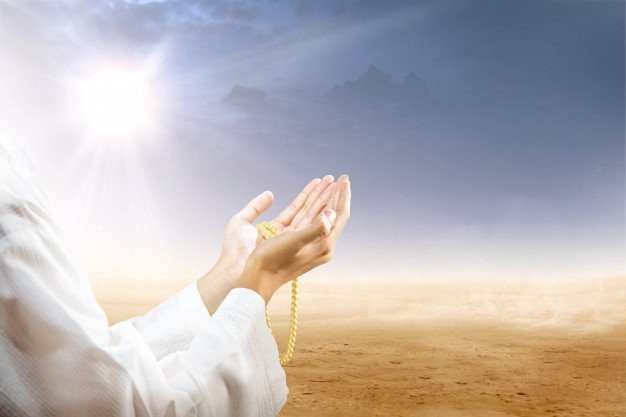
In the Muslim community, arranged marriages are widespread and often encouraged. Finding respectable and trustworthy companions for their children is the responsibility of the parents. Meetings between the families of the prospective bride and groom are arranged once the ideal match has been made. The community’s religious leaders are notified after the marriage plans have been decided so they can pray to Allah to ask for his approval and blessings for the soon-to-be couple. The couple participates in the prayer as well, pleading with Allah for direction and a contented home. The Salatul Ishtikara, an unique prayer, is acknowledged as the community’s official notice of marriage. It is the first and most significant rite before the wedding.
2. Imam Zamin

Imam Zamin immediately follows Salatul Ishtikara. This second pre-wedding ceremony serves to symbolise the bride’s acceptance into her new family. It entails the bride’s mother paying a visit to the bride’s house. She arrives with presents, candies, and a special gold or silver coin that is wrapped in a silk scarf and delicately tied around her soon-to-be daughter-in-wrist. law’s As the ritual comes to a finish, the bride and her family are left feeling confident that she is indeed welcome to join her future family.
3. Mangni

The engagement ceremony is another name for this event. Here, the bride and groom’s union is formally announced by the two families. On a predetermined date, relatives and close friends from both sides are invited to witness the ring exchange ceremony, which will serve as a formal declaration of the bride and groom’s engagement. Each family is expected to give the other gifts, including clothing, food, money, and sweets and fruits. Traditionally, the bride’s family offers her gifts after the groom’s family.
4. Manjha

The bride receives a turmeric (Haldi) paste from the groom’s family for this ritual, along with some sandalwood and rosewater. This is often carried on one or two days prior to the major Nikah ceremony. All the women in the bride’s family assemble to take turns applying the paste on the bride’s face, hands, and feet before moving on to each other. The bride is clothed in yellow for the haldi ceremony.
5. Heena
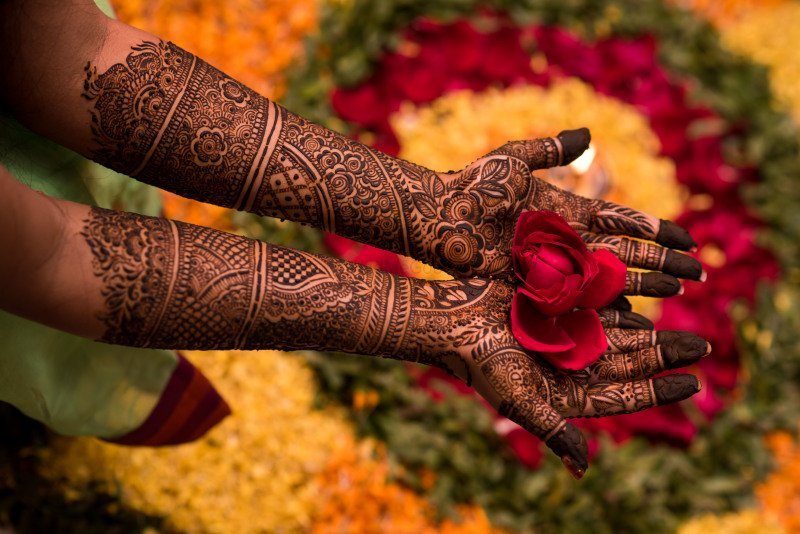
Mehndi is another pre-wedding custom that is centred on ladies, like Manjha. Here, the bride’s hands and feet will be decorated with henna paste by the family member who possesses the most artistic talent.
6. Baraat arrival
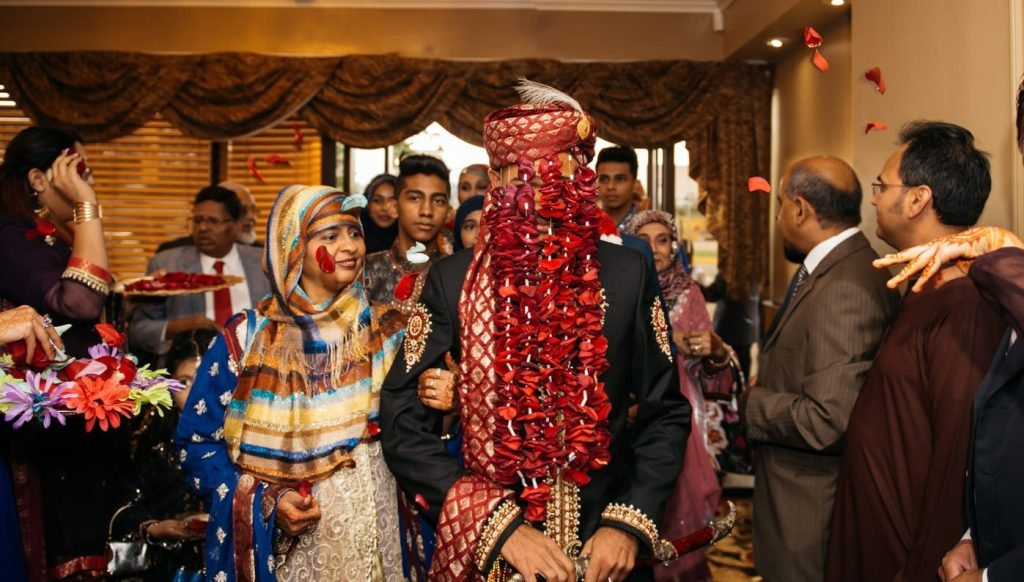
The arrival of the groom is the most exciting and enjoyable phase of the Nikah Ceremony. The bride’s family sends a gorgeously adorned car, and the groom gets chauffeured in it while being accompanied by members of his family, close friends, and the bride’s family. The Baraat is the name of this parade.
7. Nikah

The Nikah ceremony is a significant wedding ceremony procedure. The marriage would be solemnised during the Nikah. The men sit around the groom, and the women sit around the bride during the ceremony. The Iman or Maulvi then recite a blessing prayer for the couple after reading a few verses from the Quran. The Maulvi then asks the bride if she agrees to get married. She responds with “Quubool Hai,” which means “I do,” three times if she agrees. The groom goes through the same procedure. The signing of the marriage contract, which ties the bride and husband together legally, is the last procedure in this ceremony.
8. Fatiha

The opening chapter of the Quran and a prayer are known as fataha. It is meant to bestow blessings on the newlyweds. After the Nikah, there is a private ceremony called the recital of the Fatiha. This is crucial to practise because it is a means to ask Allah for direction and protection.
9. Arsi Mushraf
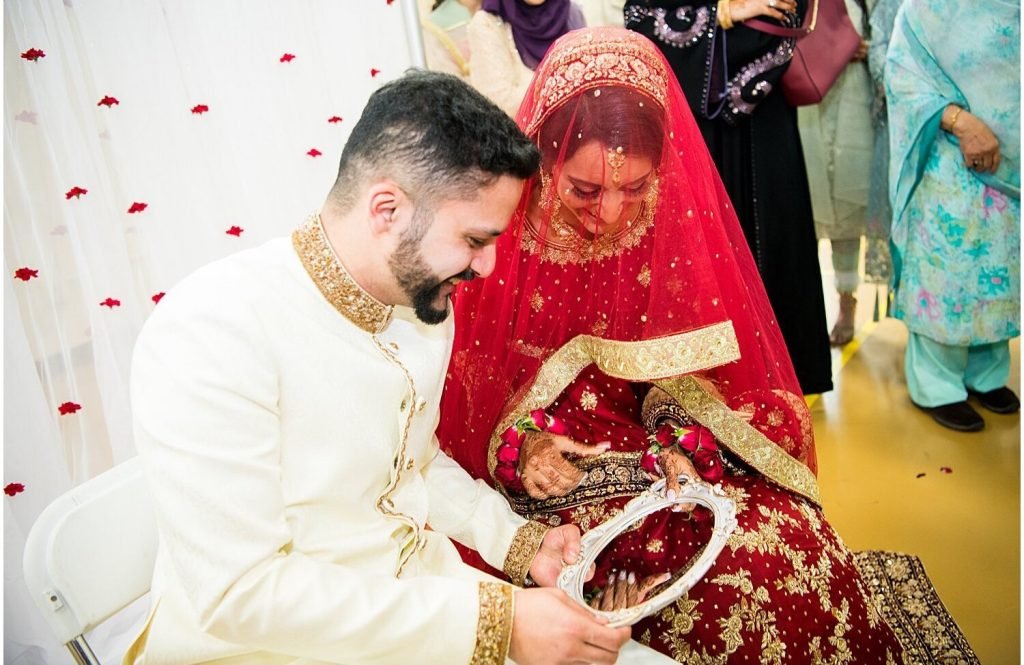
The rite is performed right away following the wedding. After the Nikah has been performed and the marriage has been solemnised by the officiant, the newlywed couple gets to see each other for the first time. The bride and groom sit next to one another, their heads still covered by a veil or scarf, with a mirror and the Holy Quran placed in front of them as part of the Arsi Mushraf. The couple is permitted to see one another in the mirror. The spouse’s reflection, that is.
10. Rukhsat

The first post-wedding rite starts after the Arsi Mushraf has concluded the traditional Muslim wedding. Rukhsat is the name for this. The bride is given the chance to say goodbye to her relatives at this point.
11. Walimah
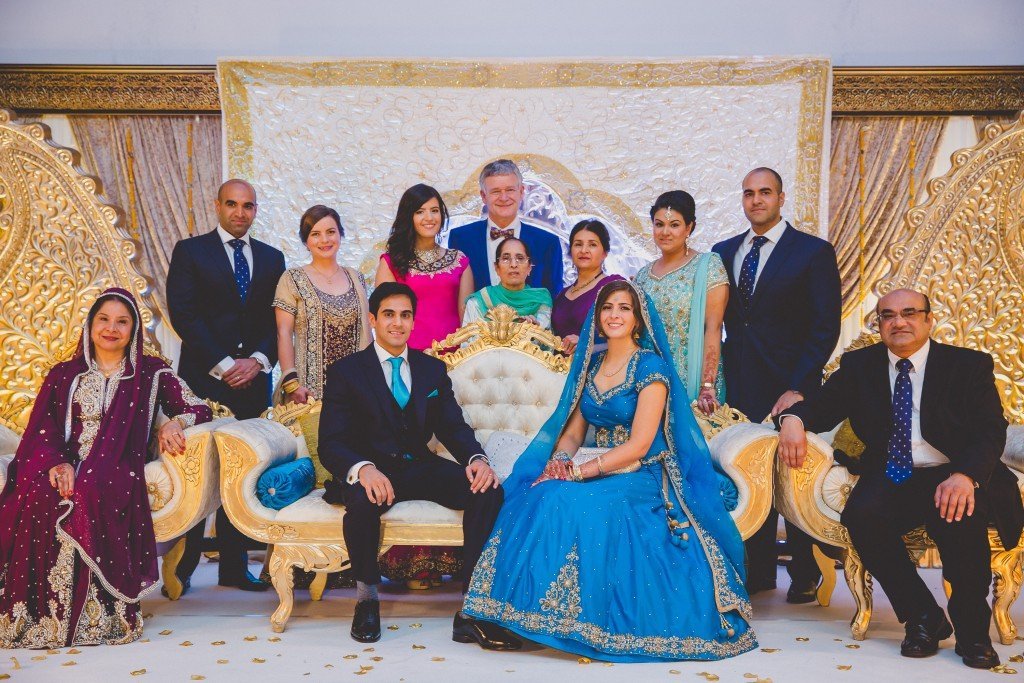
The second post-wedding rite of a Muslim wedding is the Walimah, sometimes referred to as Dawat-e-dalimah. The bridegroom’s family traditionally throws a grandiose wedding supper. The feast is open to both close and distant family members, friends, and even neighbours. The newlyweds are given a lavish wedding reception to wish them a good married life.
12. Chauthi
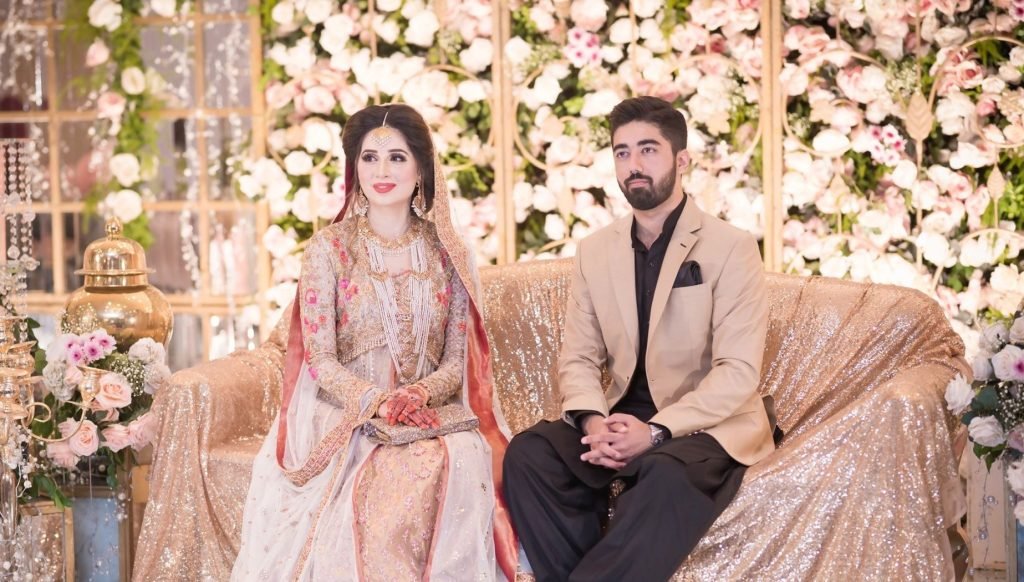
The final ceremony after the wedding is known as Chauthi. Four days after the wedding, this occurs. The couple travels to see the bride’s family. When they arrive, the bride’s family welcomes them with many gifts and affection. The family then adjourns to the dining area for a filling lunch after exchanging greetings and goodwill.