
 selectvenue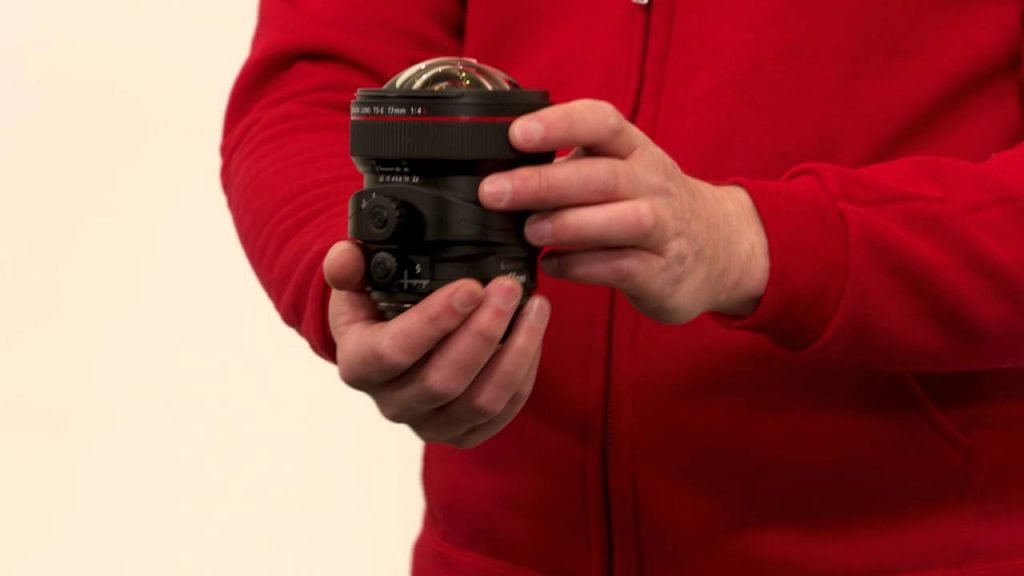
Spring is a lovely time of year for many reasons, one of which is the abundance of photographic opportunities.
This time of year offers a plethora of photographic opportunities, ranging from floral photography to outdoor portraits. To get you started, here are some of the best springtime photography tips.
Play around with Macrophotography
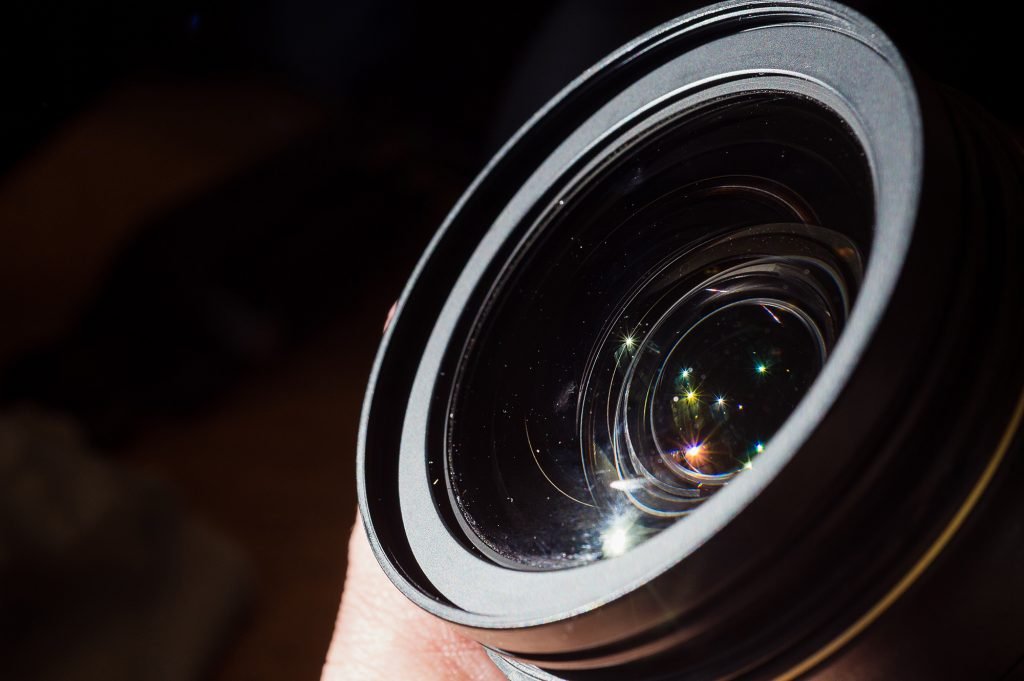
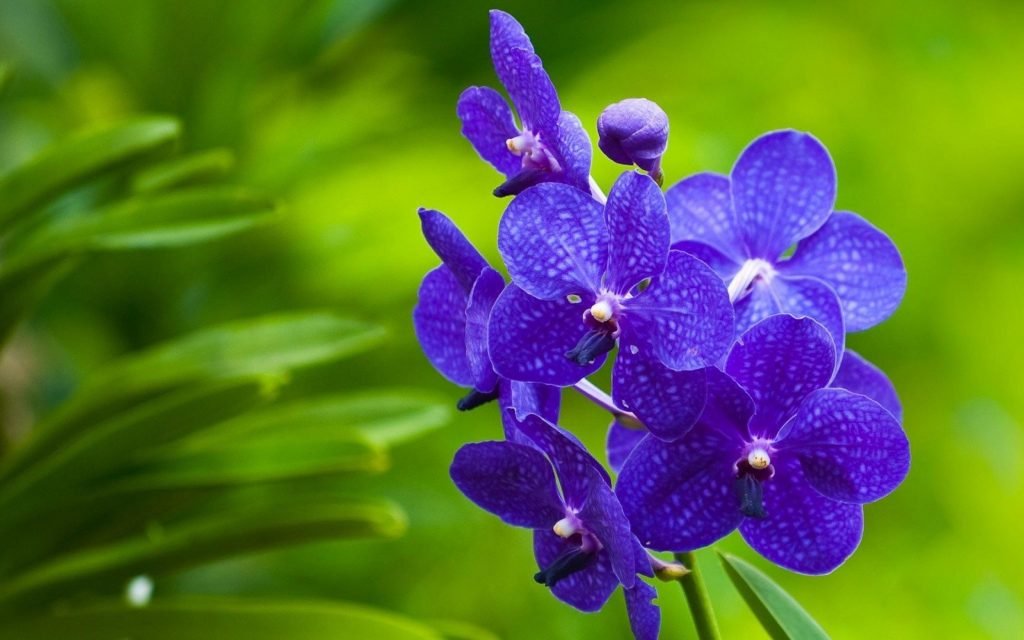
Getting really close-up on flowers or spring greenery is one method to mix things up if you’re wanting to take a more unusual photo. Bring a macro lens if you have one for your springtime shoot. If not, try working with a lens that has a magnification of at least 0.20.
Take a Panoramic Photograph
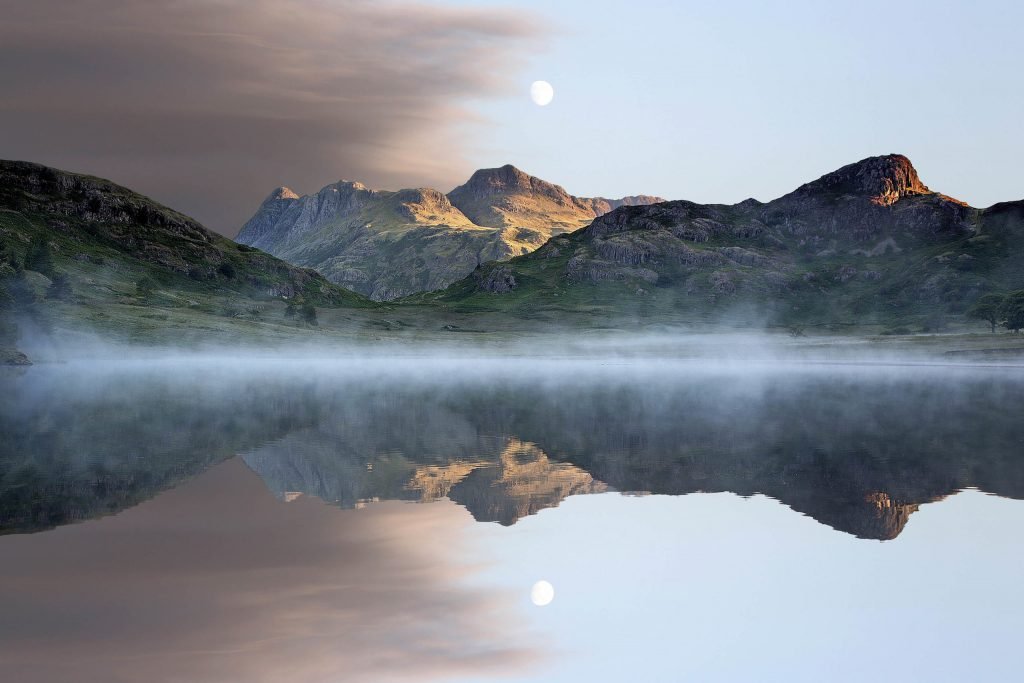
Go for the panoramic option if you really want to capture a broad, beautiful springtime countryside. perspective. Panoramic photography helps you to capture a greater portion of an astonishing picture, so you don’t have to miss out on anything. When attempting a composition like this, make sure you use a tripod.
Take your portrait subjects outside
Changing the landscape (to pretty much anywhere other than a studio) is a terrific technique to add visual interest to portraiture photographs. This spring, go outside with your subjects and take on the challenge of shooting with natural light.
The key here is to be aware of the time of day—the sun is particularly powerful midday when it’s directly overhead, and it can generate unflatteringly sharp shadows. Choose a time that is little earlier or later in the day so that you can Instead, a more pleasing, soft light can be used.

Tips for Photographing Trees
Do you want to participate in a fun picture challenge? Let’s go outside and take some tree photography with a twist.
When it comes to honing your photography skills, one of the best things you can do is experiment with different approaches to picture everyday subjects. To begin, here are some tips for improving your nature and landscape compositions, with a focus on trees in particular.

Make Wise Lens Selections
One thing worth experimenting with is swapping out your regular lens with a wide angle lens. This type is ideal for tree photography since it allows you to fit the You can fit the entire height of the subject inside the frame, but with standard lenses you may struggle to do so comfortably.
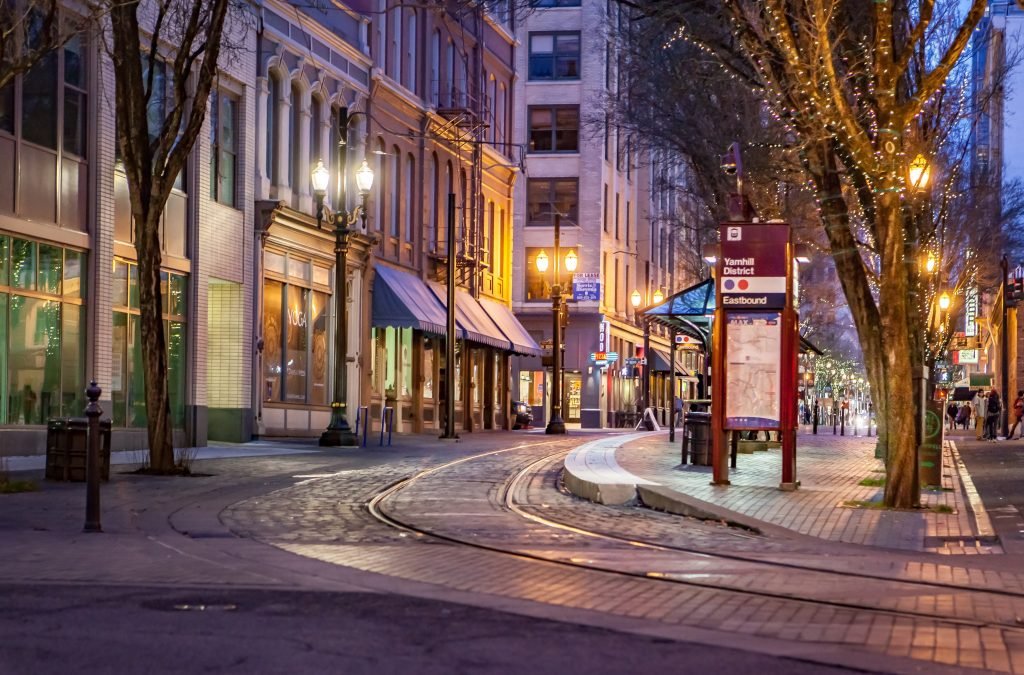
If you don’t have a wide angle lens or want to work with something else, a telephoto lens can be useful here as well. A telephoto lens can let you zoom in and isolate your subject in greater detail, especially if you’re photographing from a distance (which, if you’re not using a wide angle, you’ll most likely need to do due to the height hurdle noted above).
Consider a Silhouette Shot

When practicing your silhouette photography, trees are actually a very simple subject to photograph, so this is a fantastic way to spice things up.
Particularly if you’re photographing a tree with a lot of leaves. A silhouette photo will greatly highlight the detail in the shadow contrast of your composition’s intricate branch patterns. To get the best out of this shot, change the exposure to include the sky rather than the tree. To accommodate the lighting, your subject should organically silhouette.

Take a long exposure photograph
When it comes to long exposure shots of trees, it’s the sky that’s affected by the exposure settings, not the tree. To make a truly captivating backdrop for your subject, experiment with your long exposure settings until you achieve an effect in which the tree appears static but the clouds and sky behind it appear gently blurred. Try the above DIY tricks and enhance your photography.