selectvenue
 Diwali is a Hindu festival celebrated by every Indian, even if Indians live either in India or in some foreign country. This festival is considered as the festival of lights and it holds an important significance in every Indian’s life. It is also known as Deepavali, Dewali, Deepawali or Dipavali in different corners of the world and it traditionally lasts for five days of celebration. According to the Hindu calendar a specific date from the month of Kartika is fixed for the celebration of Diwali.
HISTORY
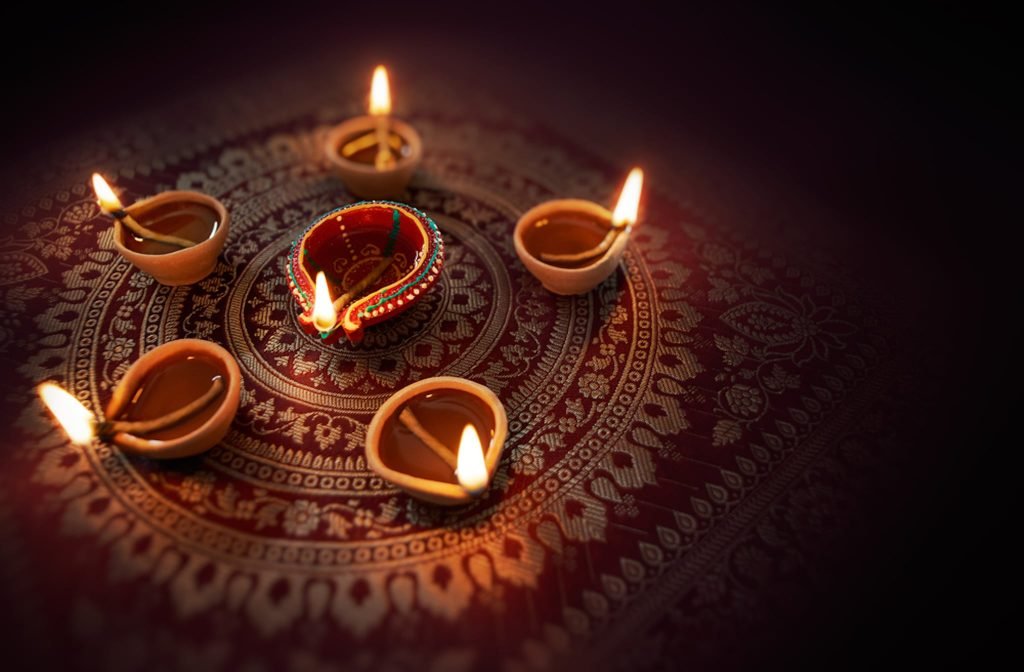
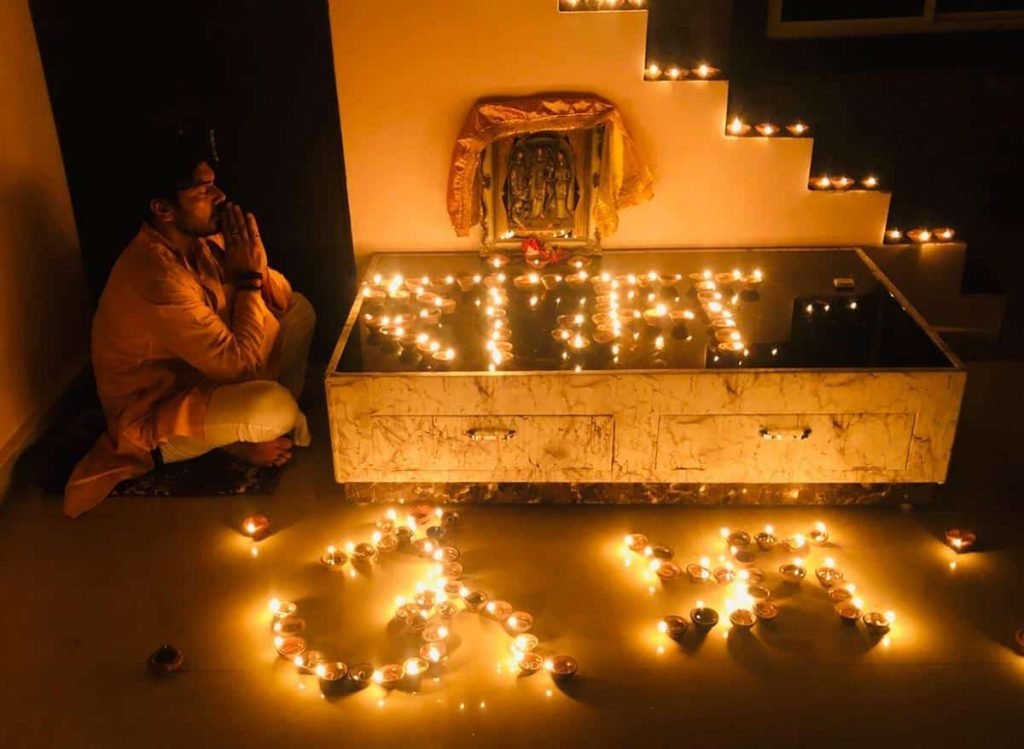
The religious significance of celebrating Diwali as a festival in Indian culture differs from region to region. One tradition of celebrating Diwali is to honor the Rama-Chandra, the seventh avatar of God Vishnu. According to Hindu mythology, it is believed that Rama returned his kingdom Ayodhya, after 14 years of exile. In this period of exile he fought and won a battle against the demon king Ravana. People lit there houses with lights to celebrate the victory of light over darkness, good over evil and knowledge over ignorance.
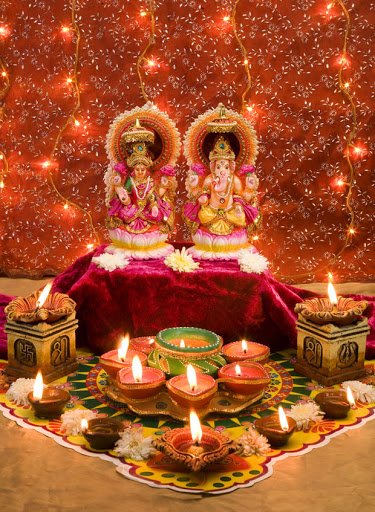
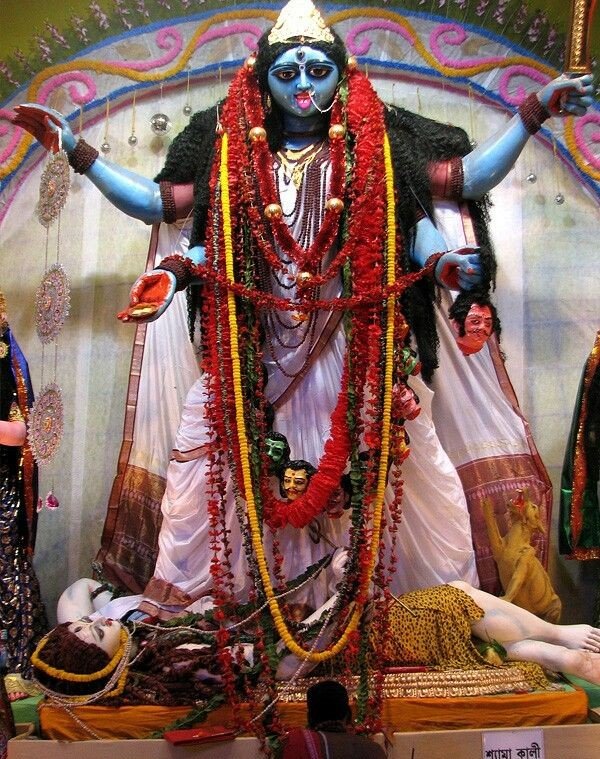
Many Hindus associate the festival with goddess Lakshmi and god Ganesha, the goddess of wealth and prosperity and the god of ethical beginnings and the remover of obstacles. This does not end here, in the parts of eastern India people associate with the goddess Kali, who symbolizes the victory of good over evil. The Diwali of southern India associate with the Krishna, who killed the demon Narakasura, the evil king of Pragjyotishapura who imprisoned thousands of inhabitants. Diwali holds the same spiritual meaning in all over India, that is, “the awareness of the inner light”.
CELEBRATION
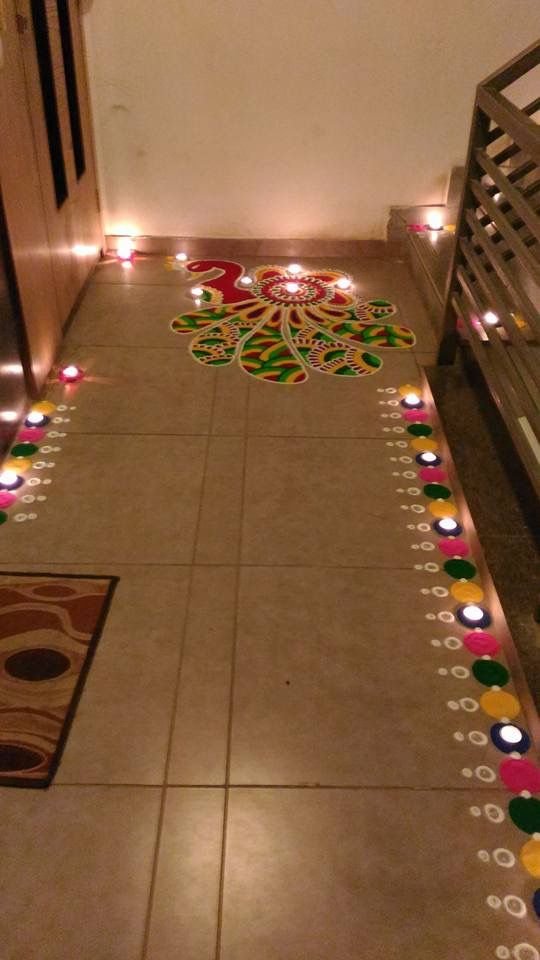
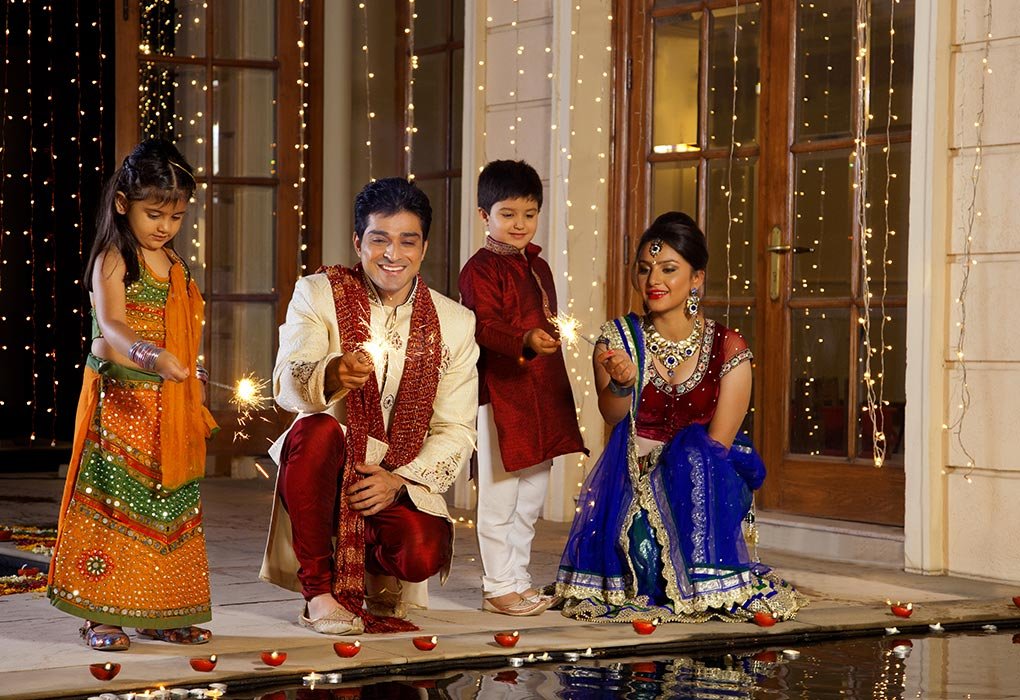
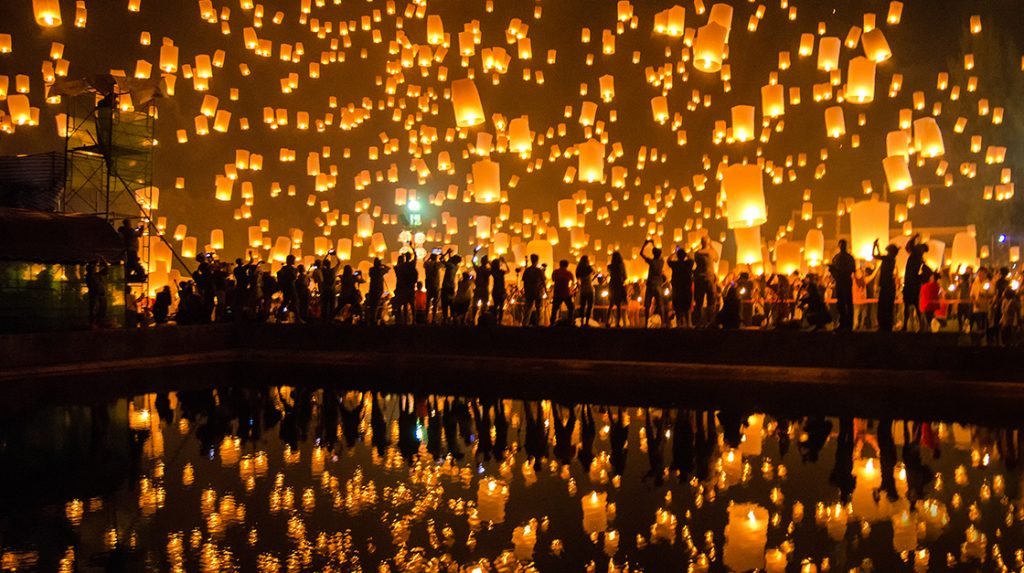
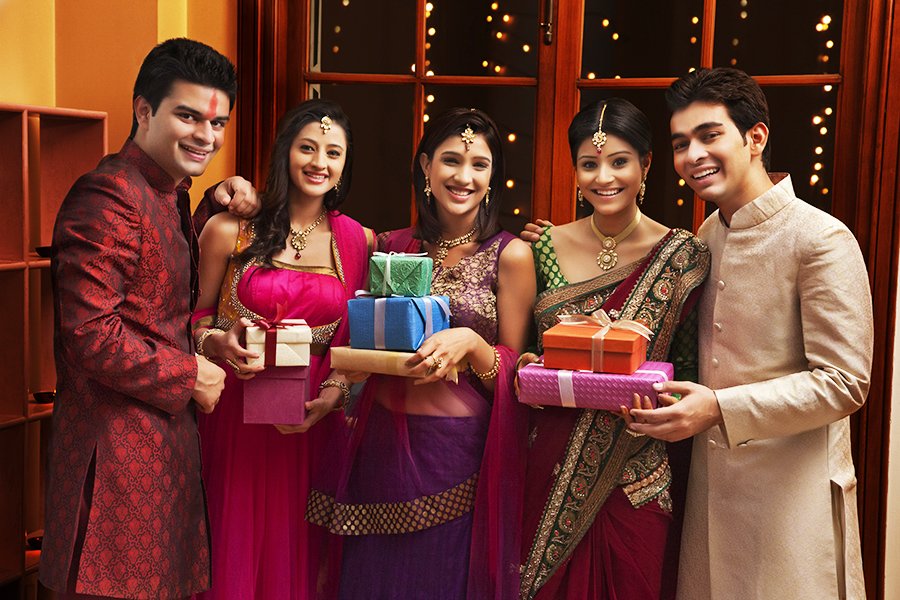
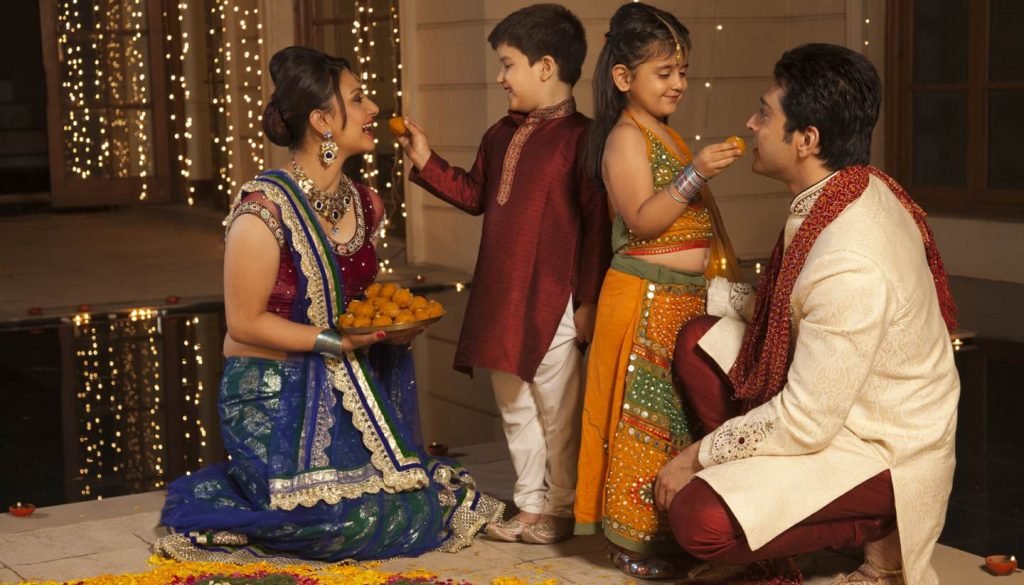
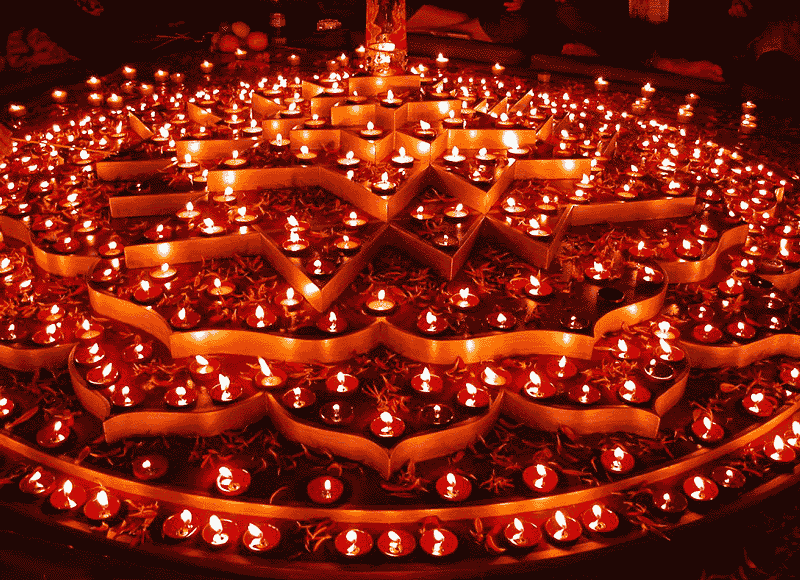
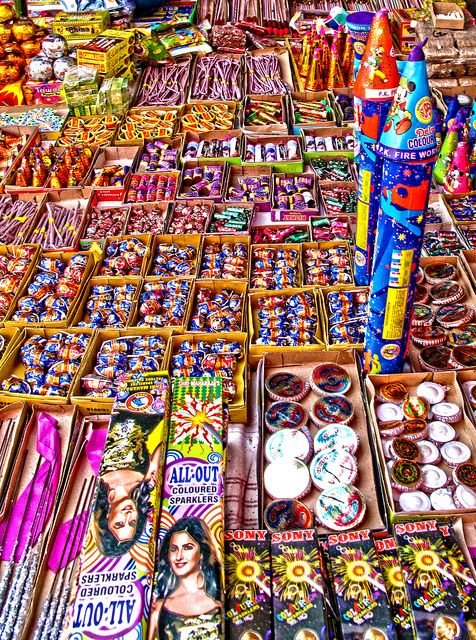
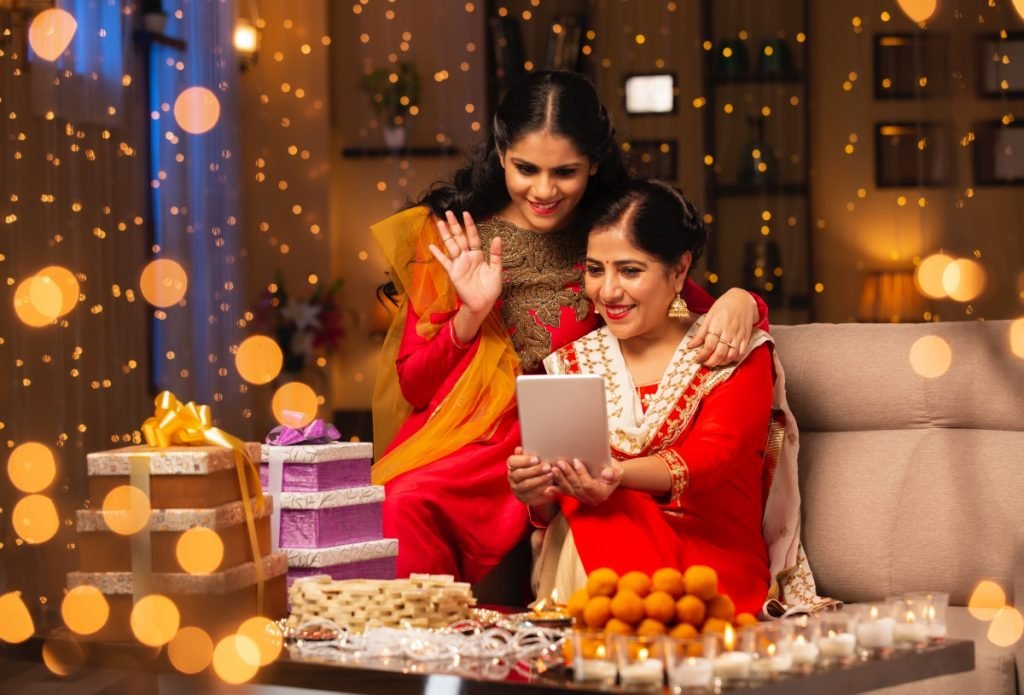
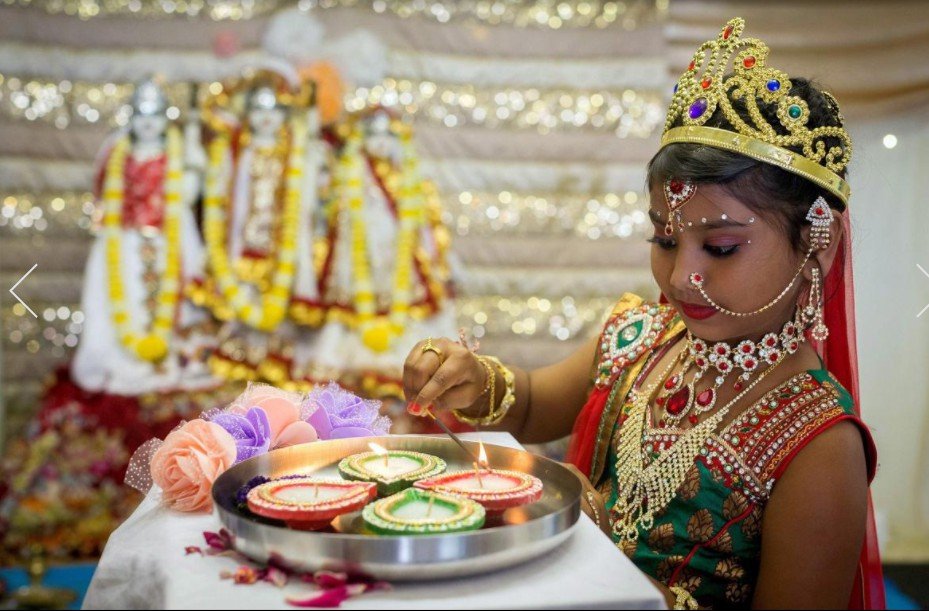
The arrangement and planning of Diwali starts one month before the festival day. It starts with cleaning, renovating and decorating the houses and workplaces. It is believed that on the day of Diwali every member of the house wear new clothes and accessories. It is important to do shopping of new clothes, jewelleries, decoration items, lights, crackers, diyas and sweets for the festival. New ideals of god and goddess are bought and brought home on the day of Dhanteras. On the day of Diwali, people lit their houses and workplaces with diyas and lights and along with decoration of floors with Rangoli, especially at the entrance. After performing all the rituals and worshipping the gods people exchange sweets, gifts and chocolates to give Diwali greeting to each other. After, all these things children burn different crackers and light up lantern for fun and a symbol of celebration.