selectvenue
 Westernization has undoubtedly improved our appearance, but traditional clothing will always be superior. In a culture like India, where wearing saree comes up as a special affair, it’s like enchantment draped in nine yards. Sarees are now used by even fashion experts as a statement of style or for temporary crazy looks, and they are slowly but surely becoming the ideal option for women.

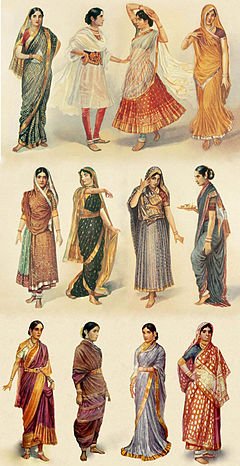
A sari or saree is a female garment in the India. A sari is a long piece of un-stitched cloth with an average length of 6 metres that is draped over the body in various styles. This attire can cover the body from head to toe, making a woman look modest and bashful. The first mention of saris (alternately spelled sarees) is in the Rig Veda, a Hindu book of hymns dating to 3,000 B.C.; draped garments show up on Indian sculptures from the first through sixth centuries, too.
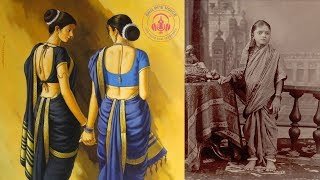
Therefore, put on a saree and grace this beautiful piece of weaving if you want to look thin and delicate and steal the stage. Here are some most expensive sarees that will show off every inch of your frame. Because sarees never go out of style when it comes to panache!
1. Banarsi Saree


There are four primary varieties of Banarasi saree: pure silk, organza, georgette, and shattir. They are famed for their beautiful embroidery and gold and silver zari work, which makes them some of the greatest and finest sarees in all of India. The saris are relatively heavy due to the detailed engravings and highly woven silk used in their construction.
2. Kanjeevaram Saree


The famous “Queen of Sarees,” Kanjeevaram sarees are fashioned from silk that is indigenous to the Kanjeevaram region. These sarees are among the most expensive in India and are very well-liked for their vivid colour and texture. They impart a very refined and cultured appearance. It has been recognized as a Geographical indication by the Government of India in 2005–2006. The broad contrast margins define saris. Traditional patterns on Kanchipuram saris include flowery (buttas), checks, stripes, and temple borders.
3. Kasavu Saree


The women’s Kasavu saree consisted mostly of a mundu (dhoti), a blouse, and a stole. This traditional saree goes by the term “Settu saree,” but it is also well-known. A strong golden border that is stitched with actual gold threads distinguishes the modern Kasavu saree from earlier versions. The saree is both unusual and pricey due to the gold that has been weaved into it. The Kerala sari is regarded as the traditional dress of Malayali ladies. Malayali ladies have come to be associated with the grace and allure of the golden borders, which contrast with the otherwise simple white mundum neryathum of Keralite women.
4. Paithani Saree
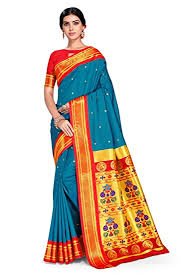


Aurangabad is where the handwoven silk saree known as the Paithani started. The saree has an upscale and refined appearance thanks to the zari border, incredibly fine patterns, and continuous peacock design. Due to the great quality of the fabric and the elaborate embroidery, Paithani sarees are very expensive. Paithani saris are an integral part of Maharashtrian culture. Considered as the queen of saris, it is what the Kanchipuram sari is to the South.
5. Sambalpuri Saree


A typical handwoven saree is the sambalpuri saree. The strands are dyed before usage in this intricate weave, which combines several distinct weaving methods. Before weaving, the procedure of staining results in a brilliant, radiant colour that never fades. The saree is one of the most expensive in India because of the high cost of the fabric and the handiwork of the artisans. Sambalpuri saris are known for their incorporation of traditional motifs like shankha (shell), chakra (wheel), phula (flower), all of which have deep symbolism with the native Odia colour red black and white represent true Odia Culture along with Lord Kaalia (Jagannatha)’s face colour, but the highpoint of these saris is the traditional craftsmanship of the ‘Bandhakala’, the Tie-dye art reflected in their intricate weaves, also known as Sambalpuri “Ikkat”.
6. Chanderi Saree
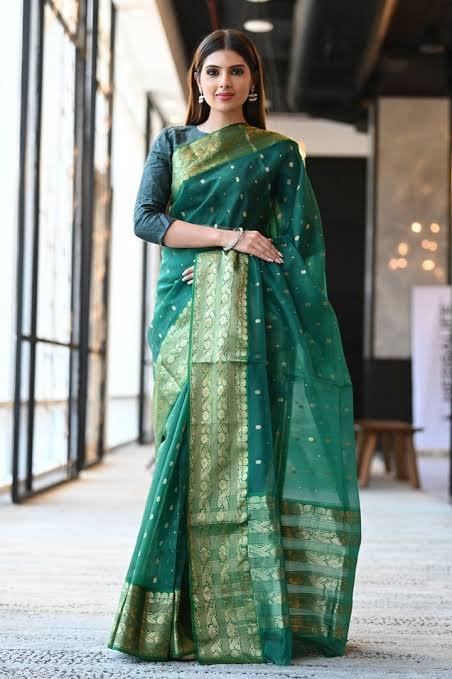
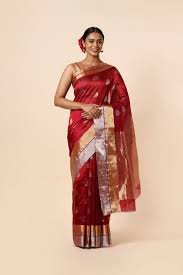
One of the best saris in India, Chanderi Sarees are made in the Madhya Pradesh city of Chanderi from three different types of fabric: pure silk, Chanderi cotton, and silk cotton. They are renowned for their use of gold and silver zari. Different Chanderi patterns incorporate traditional coins, floral art, peacocks, and contemporary geometric motifs. The saris are among the best in India, and they are renowned for their luxurious needlework, exquisite silk, and gold and silver brocade, or zari.
7. Muga Silk Saree
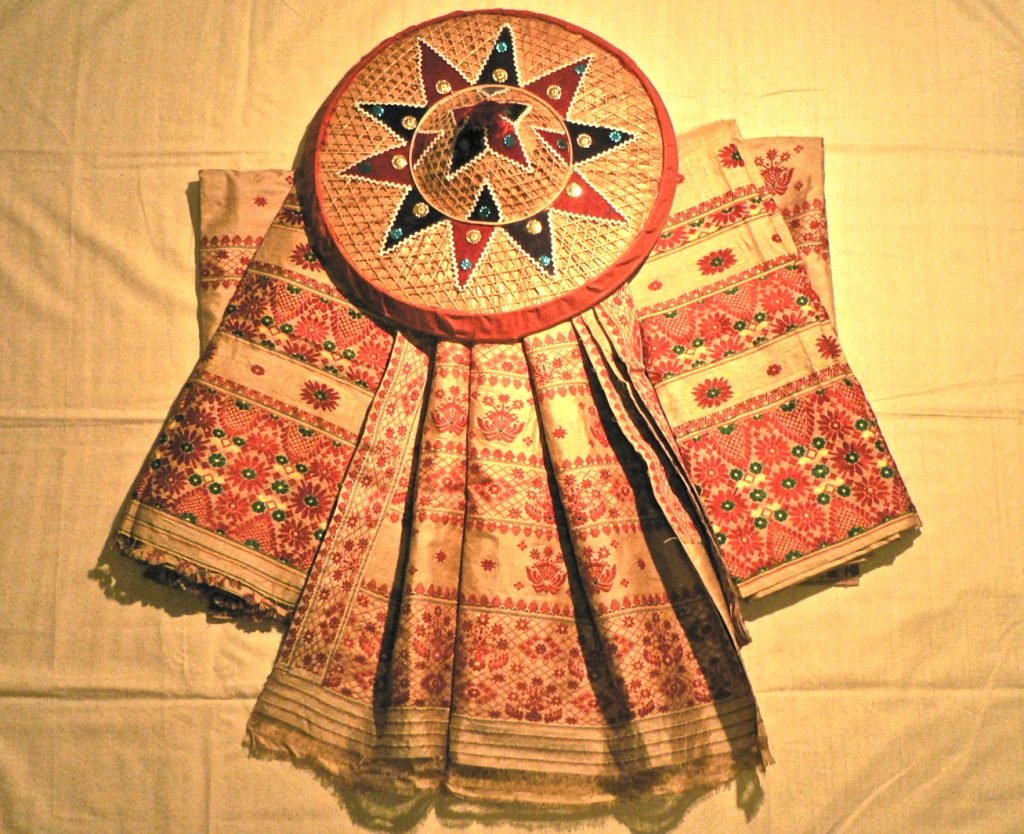
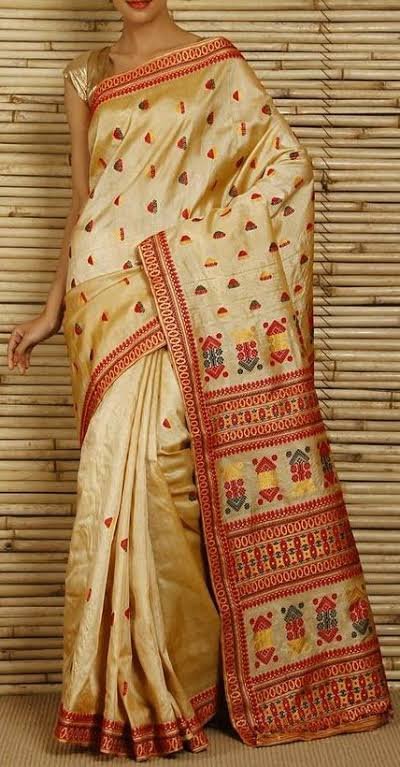
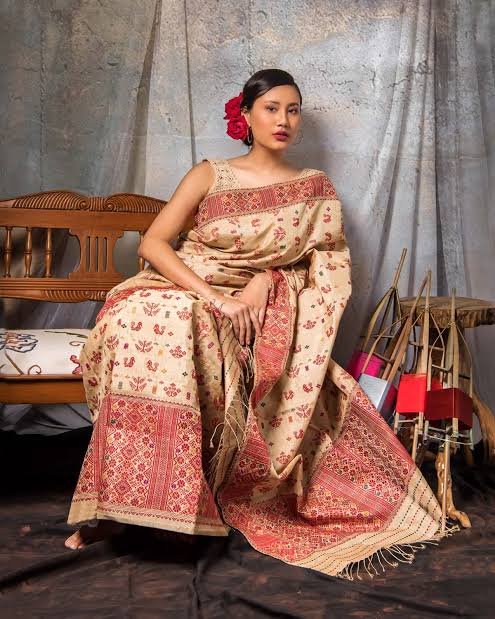
One of the most expensive and well-known Assamese sarees is the Muga silk saree. They are formed from extremely fine silk that is created by larvae that mostly eat two particular leaves. This larvae produce one of the best and most distinctive types of silk. Its texture is really bright and strong. Only Assam has access to these Muga’s golden threads. Muga silk is a variety of wild silk geographically tagged to the state of Assam in India. The silk is known for its extreme durability and has a natural yellowish-golden tint with a shimmering, glossy texture.
8. Bomkai Saree
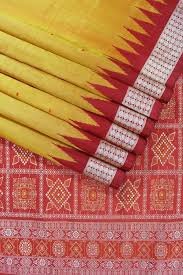
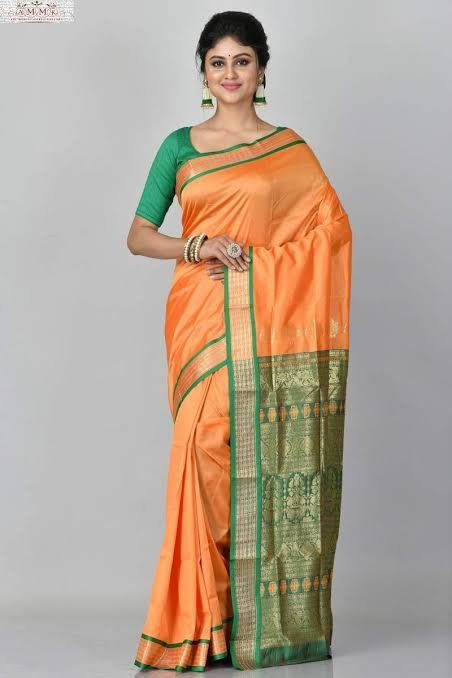
Known by its alternative name, Sonepuri silk, this magnificent work of art is woven into a nine-yard marvel and has ikat, embroidery, and complex thread work. These sarees come in both silk and cotton, giving them the perfect appearance for festival use. These sarees are expensive because of their pricey embroidery. Bomkai cotton sarees are mostly accepted for habitual wear and the silk sari is put on ceremonies and sacred occasions.
9. Pochampally Saree
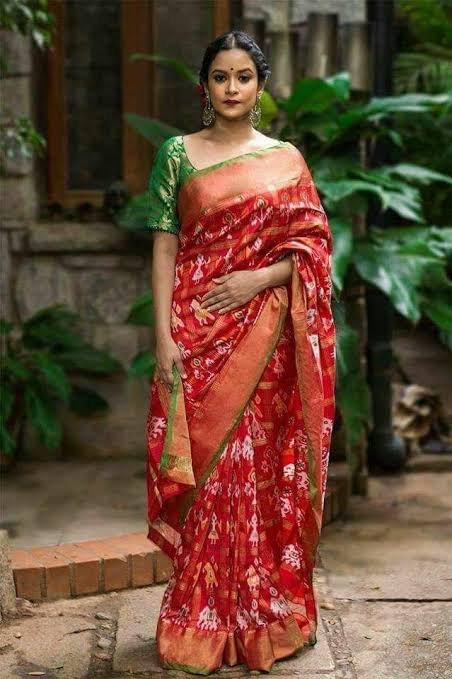
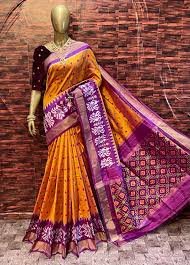
From the Andhra Pradesh town of Boodhan comes Pochampally silk. These well-known silk sarees have elaborate motifs, geometric ikat patterns, and the ideal proportion of silk and cotton. These sarees have a regal appearance and are appropriate for wedding seasons. The Indian government’s official airplane company, Air India, has its cabin crew wear specially designed Pochampally silk sarees.
10. Bhagalpuri Sarees
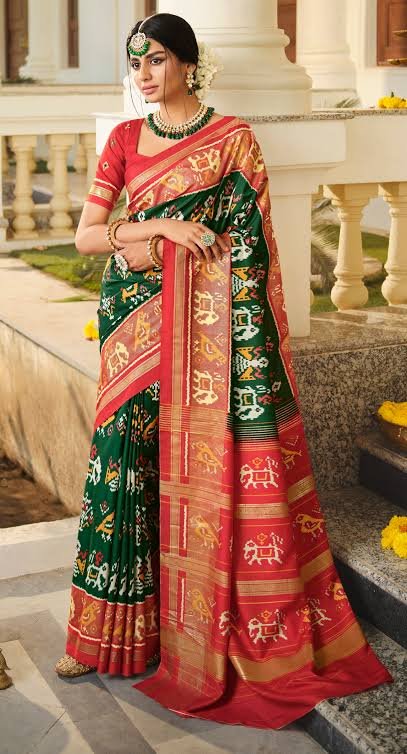
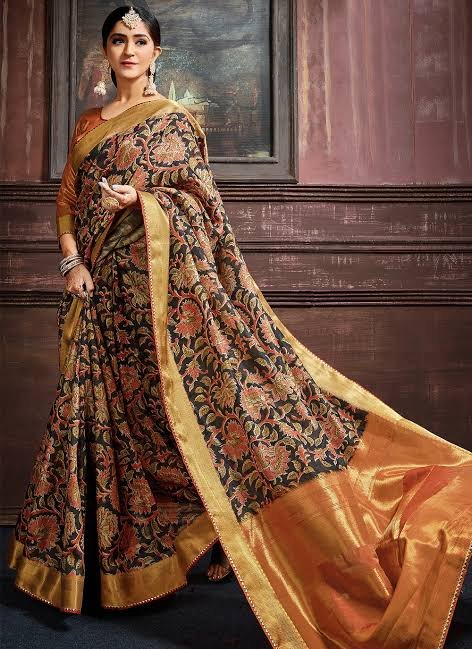
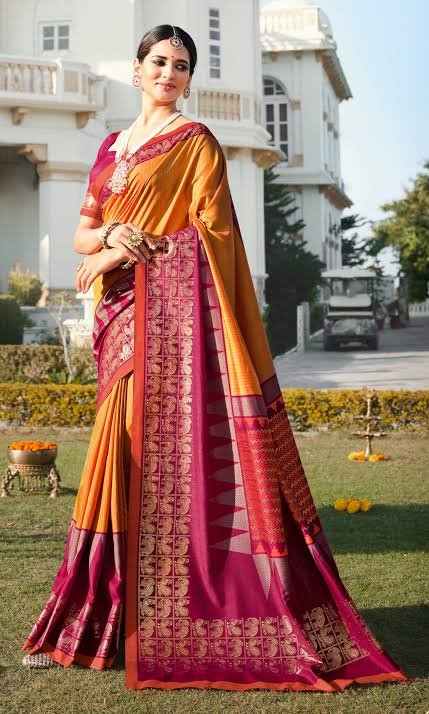
The Tussar silk or kosa silk from the states of Bihar, Jharkhand, Chhattisgarh, and Madhya Pradesh is used to make Bhagalpur Saris. Tussar silk is produced in India, which is the second-largest producer in the world. Orissan pattachitras and kantha stitches are made with this silk. Bhagalpuri silk is made from cocoons of Antheraea paphia silkworms which are only found in India.