 selectvenue
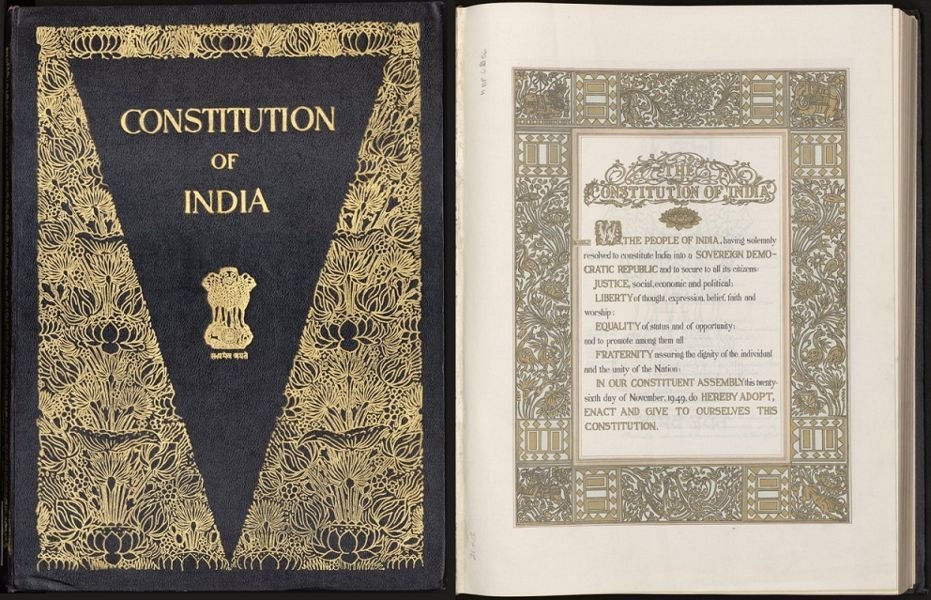
Indian Republic Day is a commemoration of the date, 26 January 1950, when the “Constitution of India” came into being by replacing the Government of India Act 1935.
This day is noteworthy in Indian history since it is the day India gained independence from the ‘British Dominion.’ Every year, this day is commemorated with great zeal across India. A large procession is being arranged to represent the growth of Indians in all aspects. On August 15, 1947, India gained independence from British rule.
The country, however, lacked its own constitution and was entirely dependent on the modified colonial Government of India Act, 1935. In addition, until the establishment of the Indian Constitution in 1950, India was ruled by King George VI. Prior to this, Pt. Jawaharlal Nehru sowed the seeds of a republican nation in the Lahore session of the Indian National Congress at midnight on December 31, 1929 – January 1, 1930.
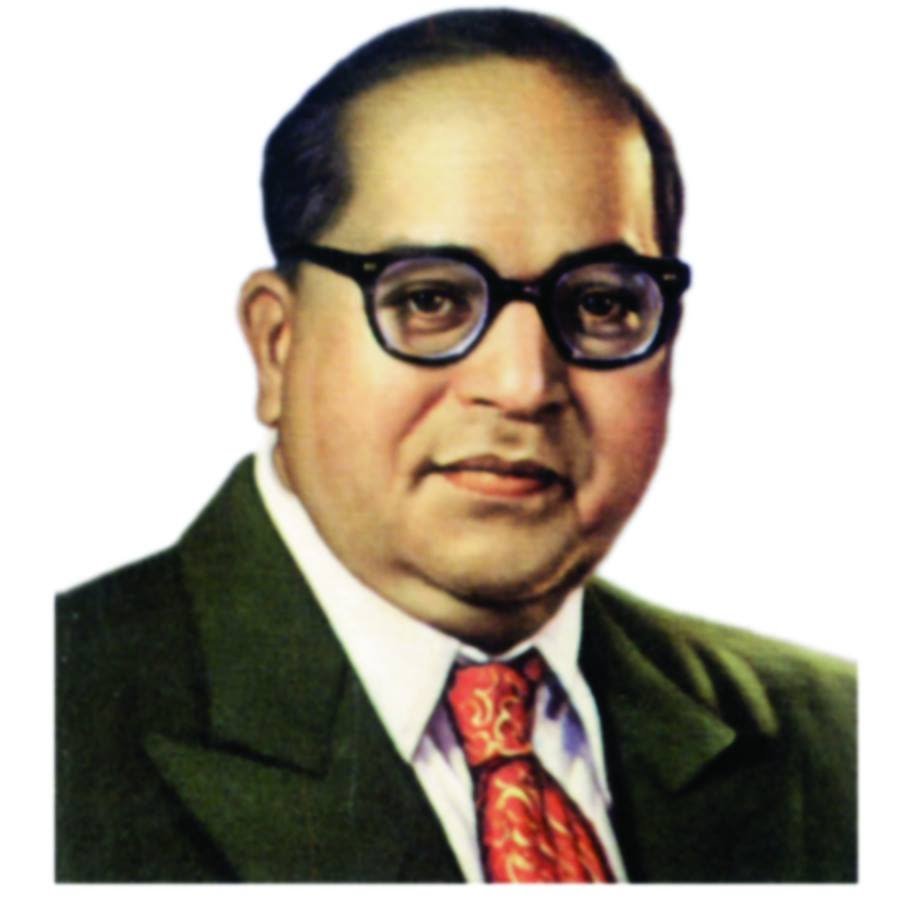
Though India gained independence from the British on August 15, 1947, there was no permanent constitution. The rules were based on the modified colonial Government of India Act 1935, and India was a Dominion at the time. Until the passage of the Constitution, India was ruled by King George VI. In 1950, the Indian Constitution was ratified. A Drafting Committee was formed on August 28, 1947, to design a permanent constitution. This committee was led by Dr. B.R. Ambedkar, who was joined by several other members.
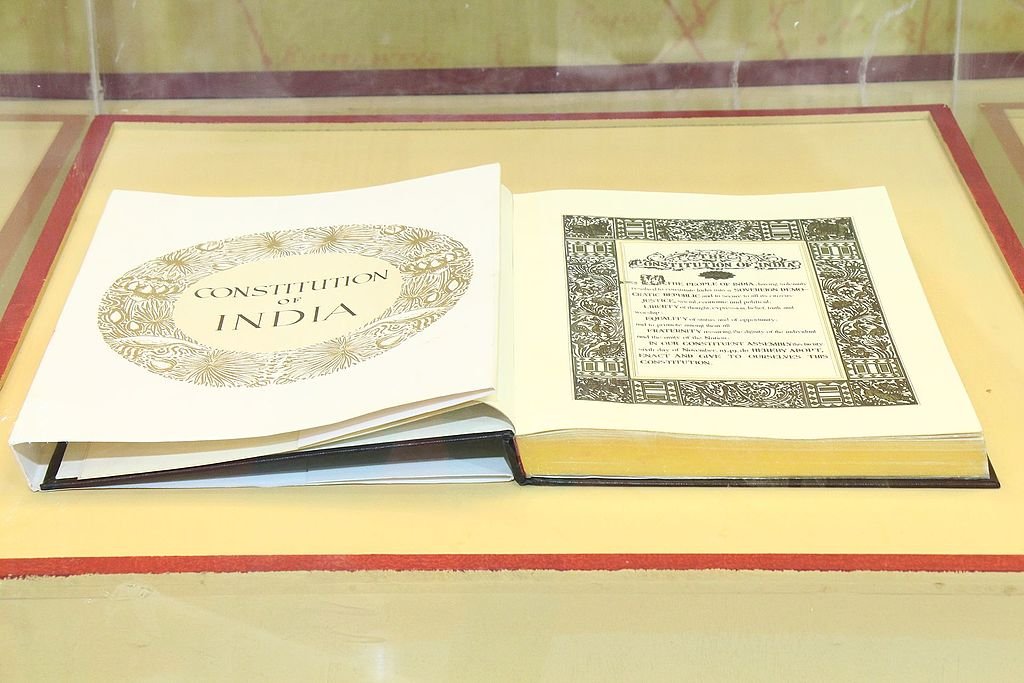
On November 4, 1947, a draught constitution was created and submitted to the Assembly. On January 24, 1950, after much deliberation and minor changes, the 308 members of the Assembly signed two handwritten copies of the text. On January 26, 1950, the constitution went into effect throughout the country, two days later. The Indian Constitution was made up of 395 articles and eight schedules. It took India 894 days after the end of British rule in 1947 to draught its own constitution.
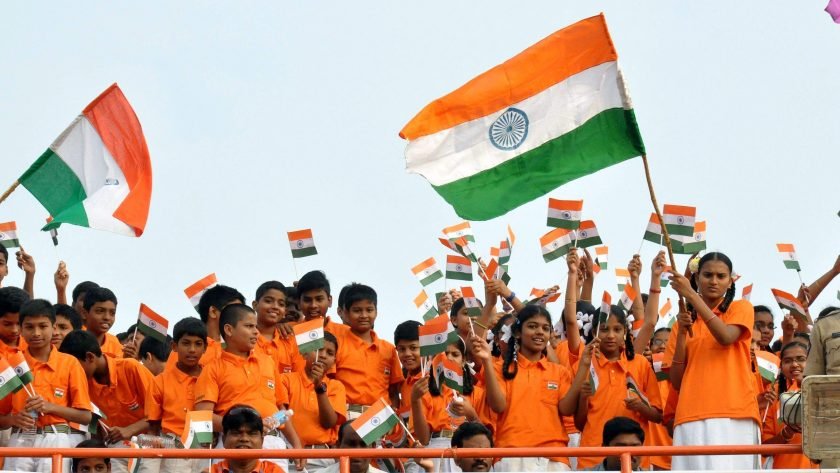
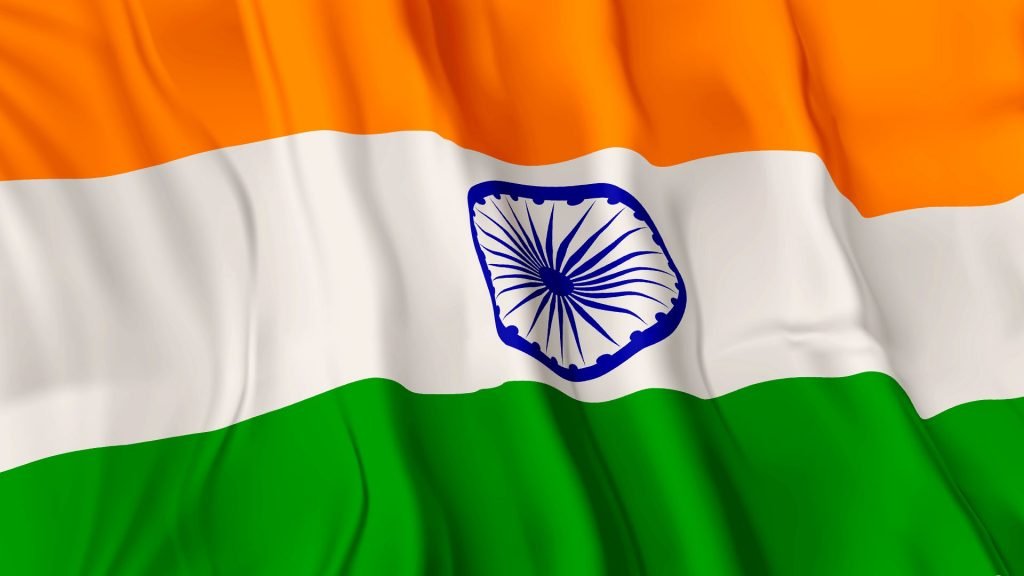
The tri-color flag was unfurled by the contemporary nationalists, who pledged to mark ‘Purna Swaraj’ (full independence) Day every year on January 26th, while fighting for the establishment of a Sovereign Democratic Republic of India.
The independence was achieved. In 1947, the pledge was professed, and it was redeemed on January 26th, 1950. On December 9, 1946, the Indian Constituent Assembly convened, and a committee was created. Dr. B.R. Ambedkar was appointed chairman of the committee, which drafted the Constitution with the help of the other members. The Indian Constitution was made up of 395 articles and eight schedules.
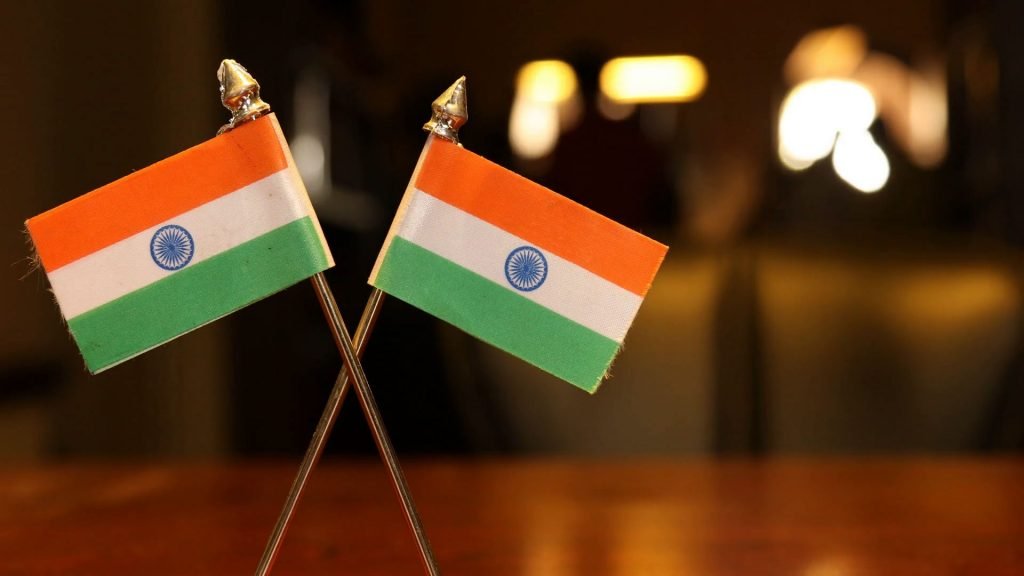
The Constituent Assembly adopted the Constitution on November 26, 1949. The next year, on January 26th, 1950, the Constitution of India came into force and India became a “sovereign democratic republic,” 894 days after the withdrawal of British rule in 1947, which is why it is believed that India achieved actual independence on this day.
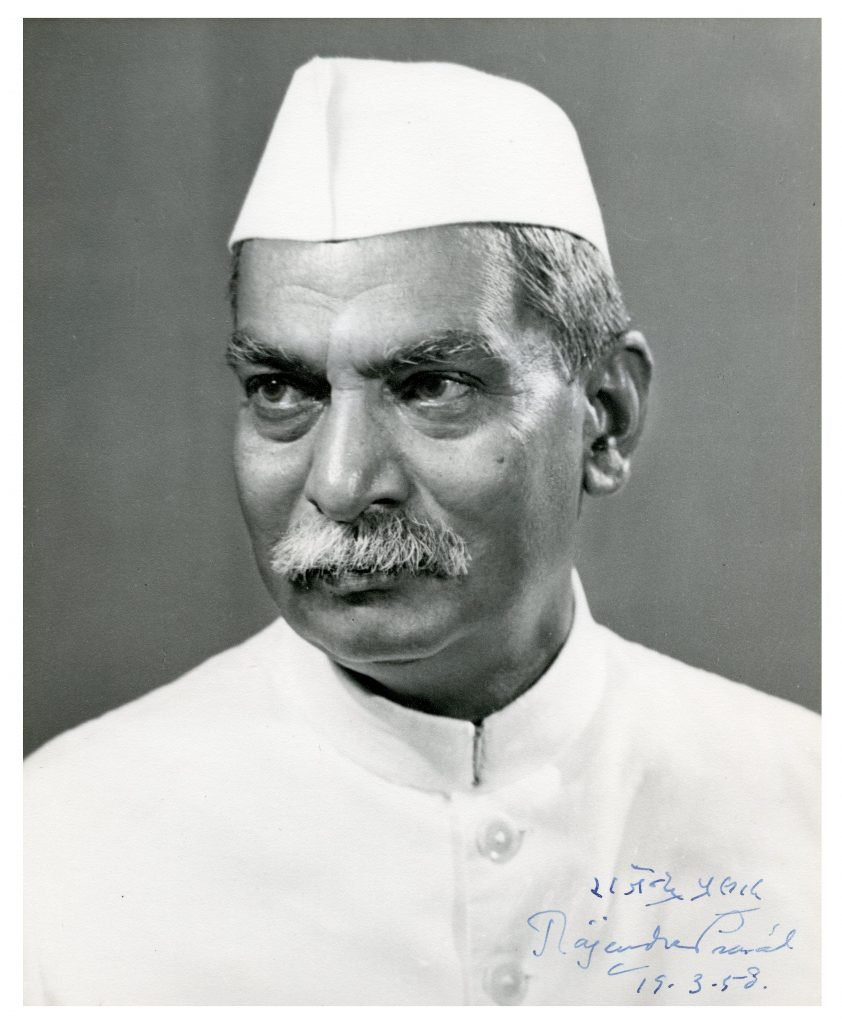
Elections were then held, and Dr. Rajendra Prasad was elected as the country’s first free president He took the oath of office at Durban Hall at Government House, followed by the Presidential drive along the five-mile route to Irwin Stadium. At the stadium, he raised the National Flag. The transformation of India into a sovereign democratic republic is a historic event.

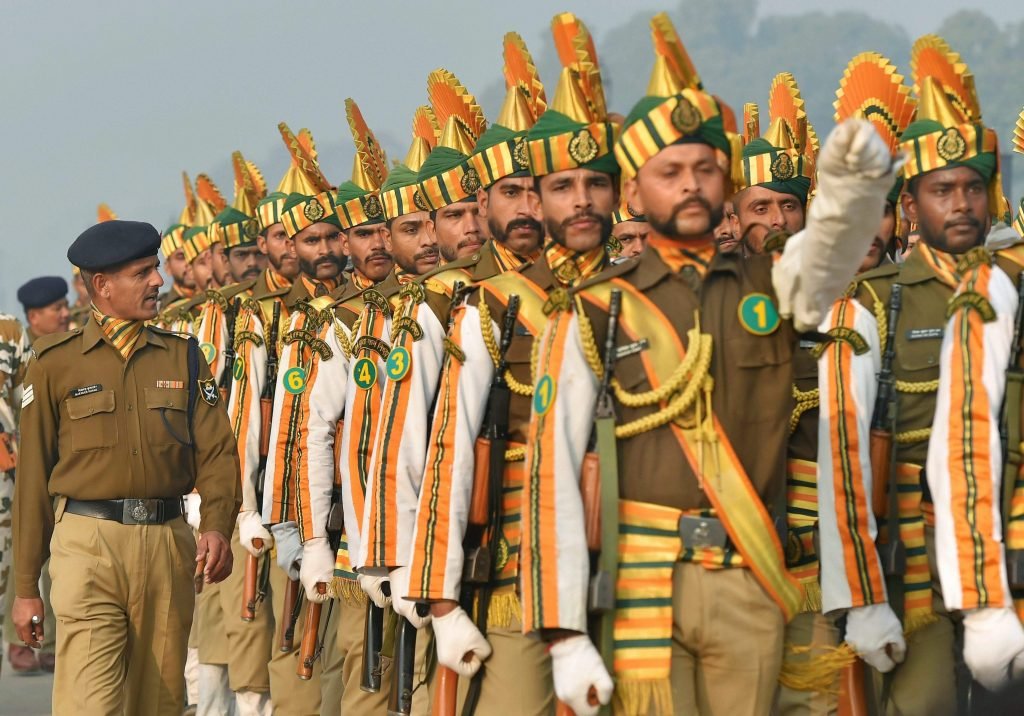
The two-decade journey from the dream’s conception in 1930 to its actual realisation in 1950 is undoubtedly worthy of a huge celebration. Today, the Indian Constitution is the world’s longest, with 397 articles and 12 schedules guaranteeing a single citizenship for the entire nation. The national holiday is celebrated around the country with activities and patriotic zeal.