 selectvenue
 South Indian Wedding Rituals
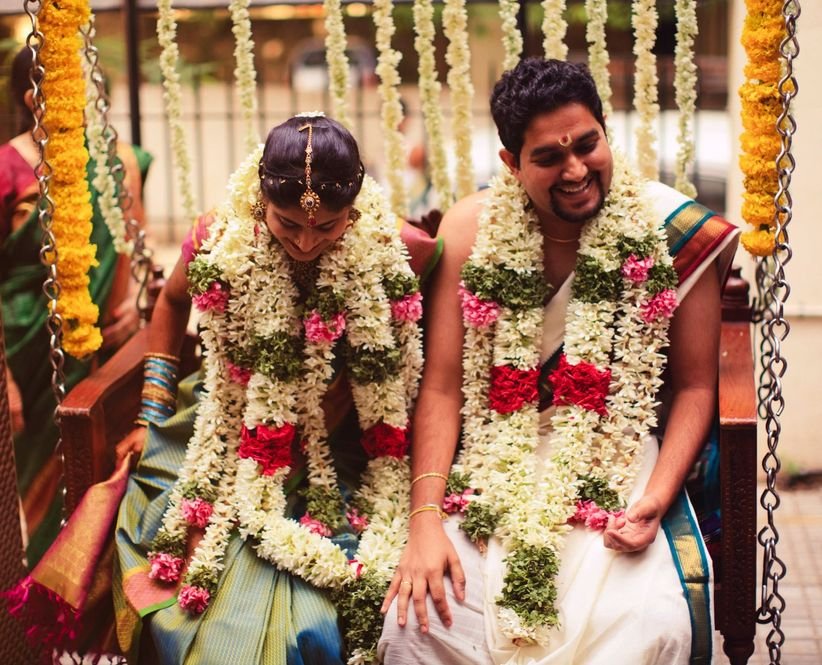
Hindu weddings are full of fun and colors and that is no different in South Indian weddings. With different cultures come different rituals. There are many Christians in the southern part of India but we will be talking about the Hindus in the southern region as Christian weddings have the same rituals in any part of the world. It is fascinating to see how a regional difference can do so much in the rituals and traditions of a certain religion.
It is very easy to recognize a south Indian marriage hall. When one enters they can notice the fully grown plantation trees at the gate. Then there are mango leaves atop the festoons and such natural items surrounding you. You will also notice the rangoli designs outside the hall and the house.
Here are a few more of the South Indian wedding rituals that you cannot forget:
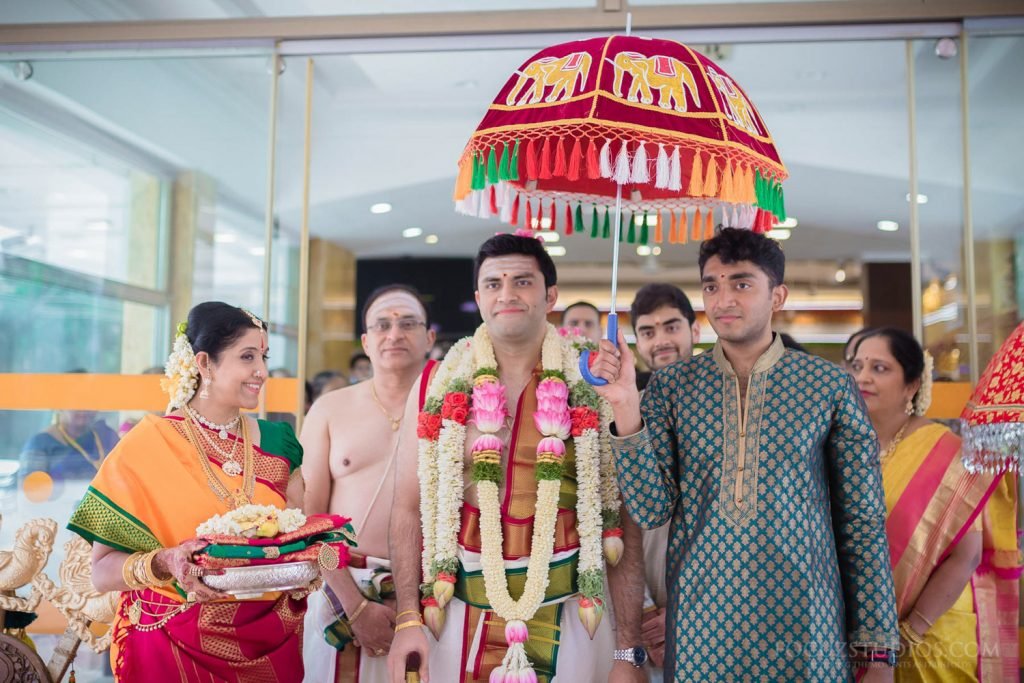
The evening before : The wedding ceremony begins an evening before, all the arrangements start. The first step is to get the groom to the hall, who is accompanied by the bride’s parents. The band leads the groom to the marriage hall.

After reaching: After reaching the venue and getting the things in order, the formal ceremony begins. It begins with the invocation of the God Ganapati who is associated with auspiciousness. So with his blessings, the ceremony begins so that there are no obstacles in the marriage or hindrances during the ceremony. Then during this time, 5 married ladies are asked to perform a ritual of washing a neem-laden Pipal tree.

After the puja: After this puja is concluded, a dhoti is presented to the groom and a saree is gifted to the bride.
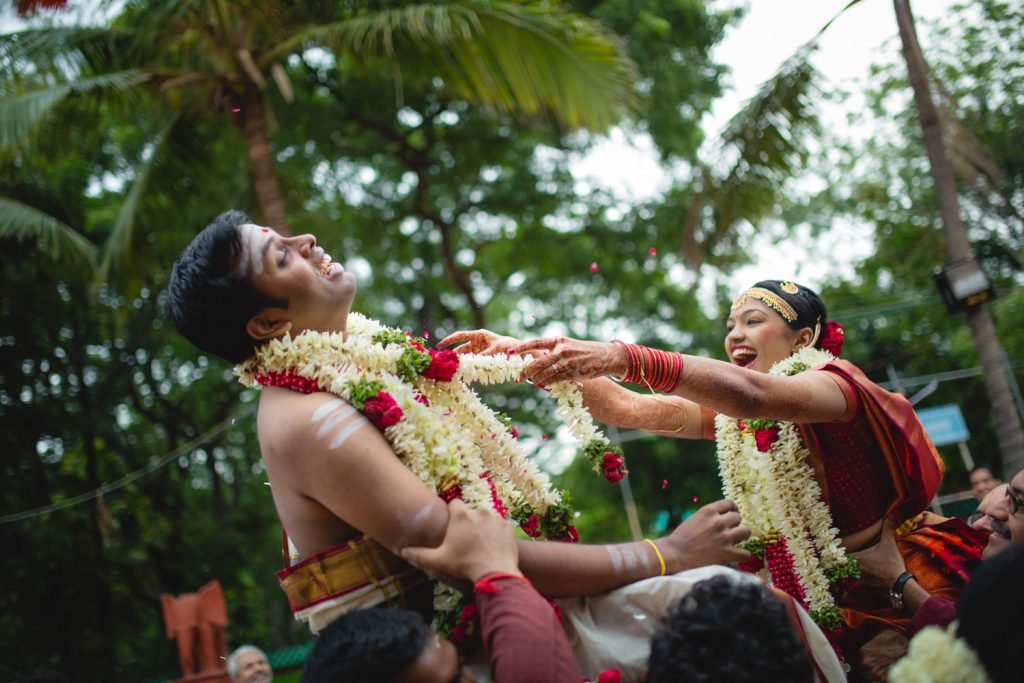
The marriage ceremony: After presenting the clothes, now the marriage ceremony begins. It starts with a ceremony called the “Vratham” which the bride and groom have to perform separately and individually. The bride does this by tying the “holy thread” on her wrist – which is meant to keep all evil spirits and evil eyes off of her. The groom does it on the other hand by preparing for a new chapter in his life called the “Grihasta” or the “householder”.
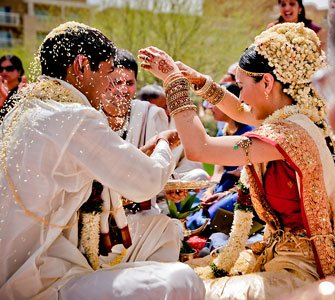
At the mandapam: The Vedic priest keeps chanting mantras and hymns to carry out the marriage ceremony. The names of the brides and grooms and the names of the 3 generations that came before them are chanted out. After this is done, the bride and the groom are then lifted on the shoulders of their own uncles. This is when they exchange garlands – thrice to make the union perfect. The exchange of garlands is actually the symbol of acceptance of each other down to the very essence and fragrance of each other.
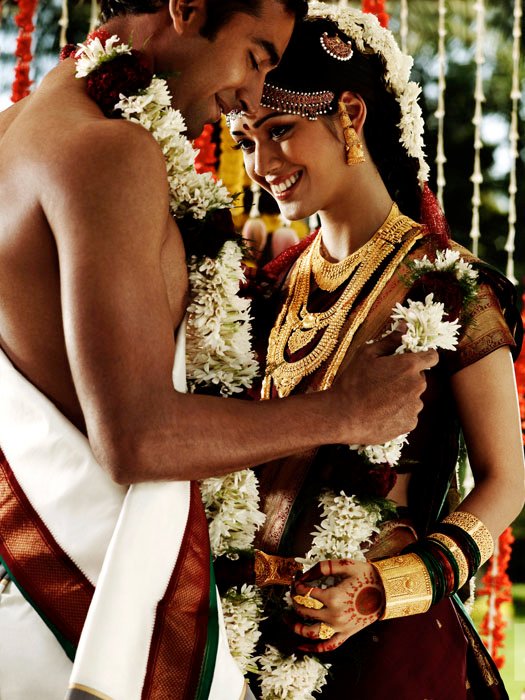
The giveaway: After this is done, the bride is taken to sit on her father’s lap so as to be “given away” to the groom by him. This is a ceremony that exists even today. A ring is made on the girl’s head. After this, some other elements such as the mangalsutra are placed on the bride’s head and she is given a washing – this is called “Koorai”.
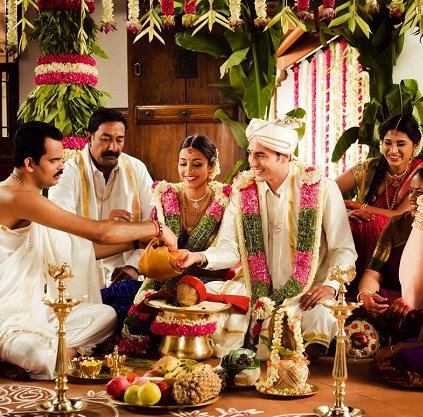
The 7 rounds around the fire: After the giveaway and the Koorai saree wrap around the bride, three knots are tied on it. The first one symbolizes her tie-up with the groom and is tied by the groom itself. It is usually said that when two people walk 7 steps with each other they become friends. The essence of true marriage is friendship. So this is where this has been brought forth from.

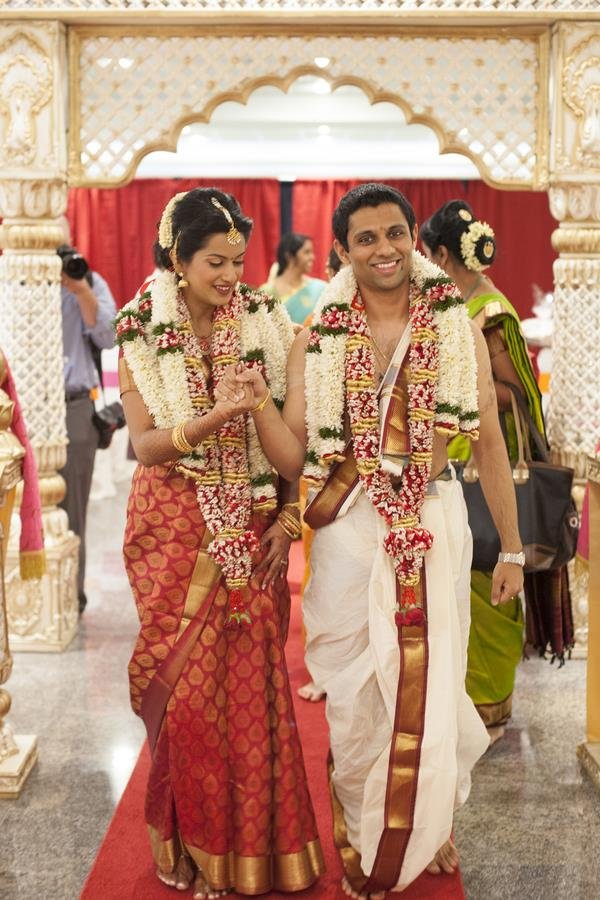
Finally, a solution of turmeric powder is circled around the couple and thrown out to keep the evil eye off. It is done once before the wedding and once right after when the couple relaxes.