selectvenue
A marriage is the celebration of a fresh beginning and a life-long commitment between two people who are in love and vow to stay together. They bring with them the extravagant and ambitious ambitions of the soon-to-be couple, which are finally becoming a reality thanks to magnificent and well-planned destination weddings. Thus, if you are looking for a wonderful wedding location, Nepal might be your ideal stop for a tranquil yet spectacular wedding amidst the magnificent of mountains and clean atmosphere.

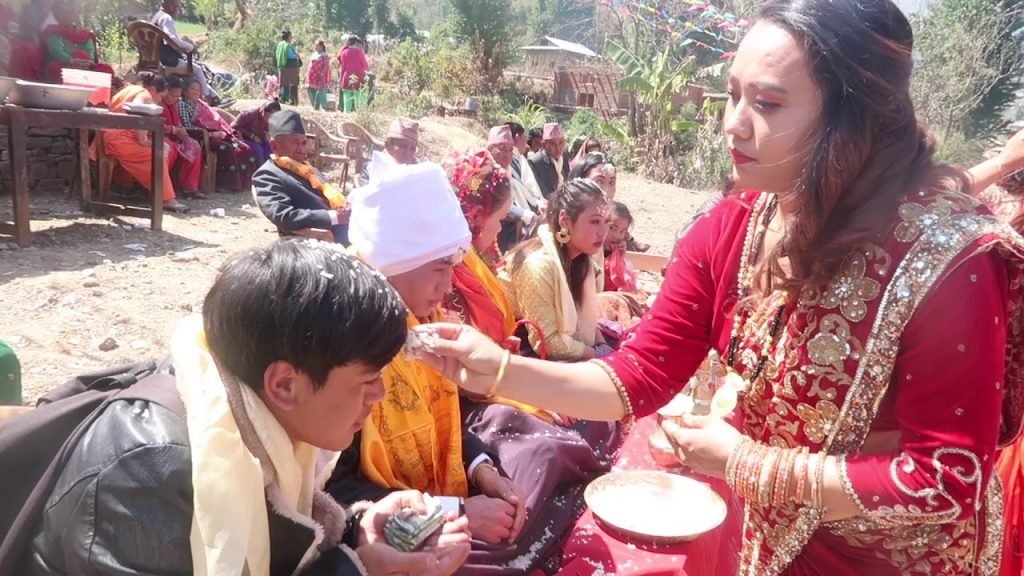
Nepali Wedding Rituals and Traditions
Nepal has a diverse ethnic and tribal population, which contributes to the variety of wedding ceremonies and activities. However, the vast majority of weddings in Nepal are either Hindu or Buddhist in nature.
What Is the Difference Between Hindu and Buddhist Weddings in India? Nepal
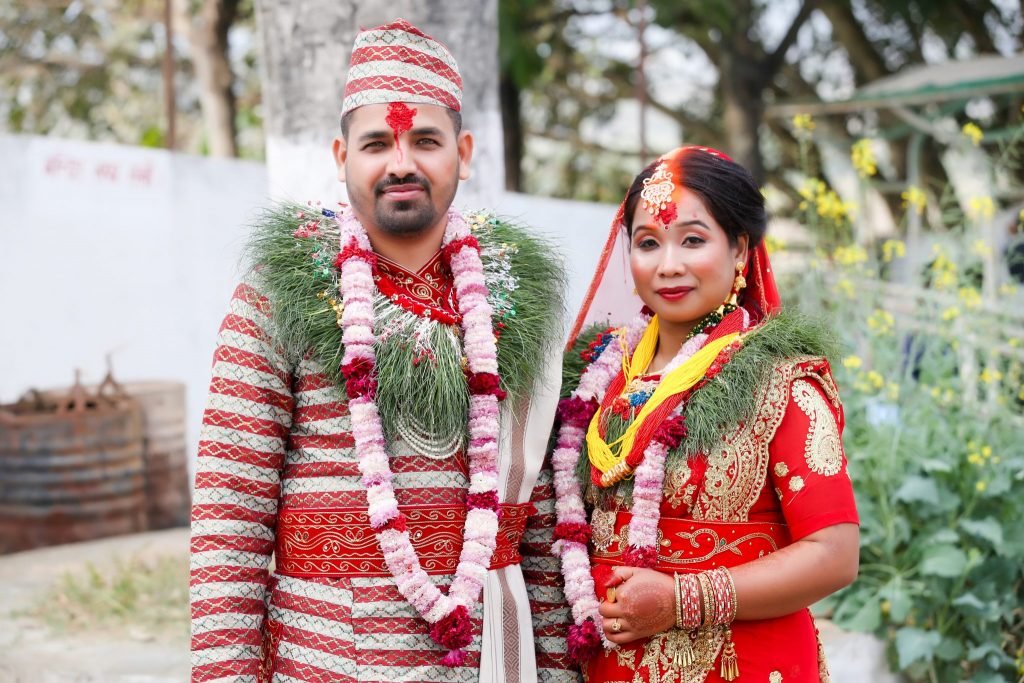
The fundamental distinction between the two is that Buddhists do not conduct an engagement ceremony prior to the main wedding. While Hindus in Nepal have an engagement ritual called “Tika-Tala” in which the bride and groom’s marriage is officially announced by the marking of a little red dot of kumkum on their foreheads.

Pre-Wedding Customs
Many pre-wedding rites are part of the celebration, the first of which is “Bagdan,” the Ganesha Puja, in which a pot (Kalash) exchange takes place, symbolising the “gift” of a daughter by her father to her future husband.
Swayamvara
Other ceremonies that are significant in Nepalese custom include “Swayamvara,” or the bride’s selection of a suitable husband from a group. of males
There Are No Faults in Our Stars
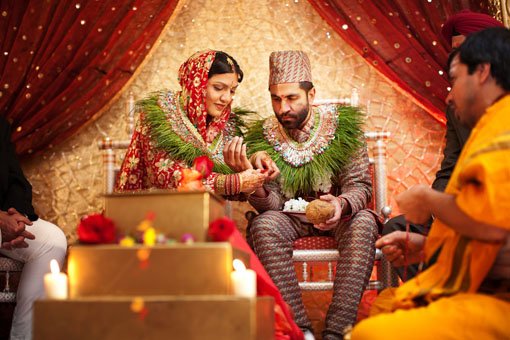
Following that, the priest performs wedding ceremonies at the appropriate period determined by the horoscope and astrological study.
Ring Exchange to Strengthen the Bond
Weddings in Nepal include a number of ceremonial activities intended to deepen the couple’s marital bond. A Nepalese wedding would culminate with the pair exchanging wedding rings.
Official Bride Submission
The bride departs for the groom’s house, where several post-wedding rites are carried out, primarily to properly introduce the groom’s family to the newlywed bride.

Nepali Weddings in Color
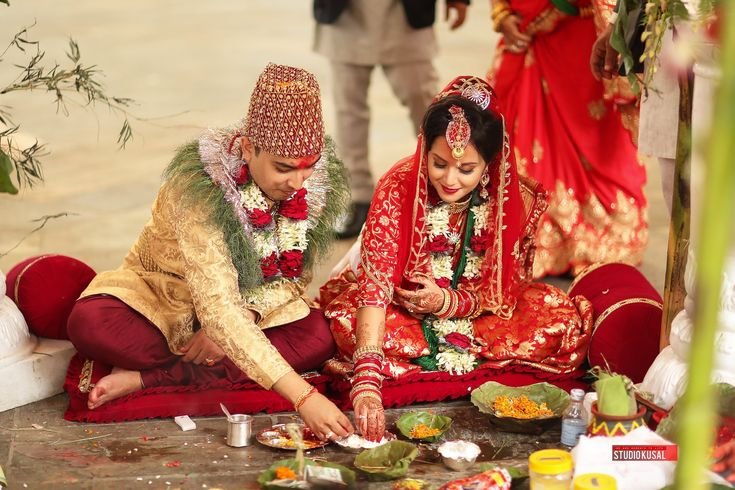
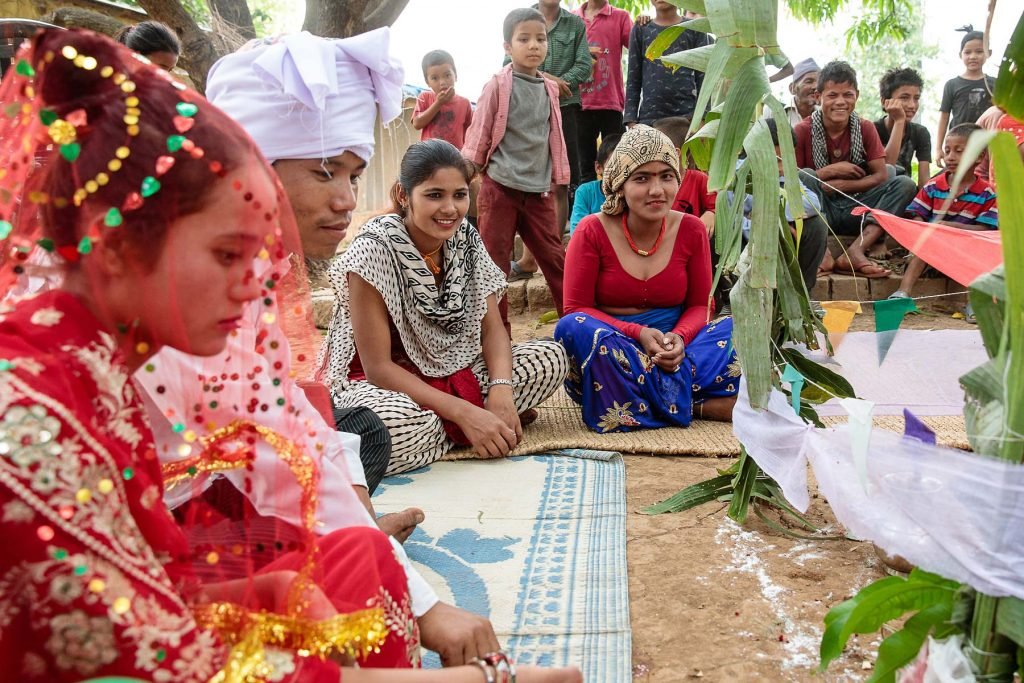
A traditional Nepalese wedding is recognised for its richness and vibrancy. Starting with the bright red or green bridal gowns, They have it all, from magnificent Nepali food to lavish Nepali cuisine, to make your wedding a grand and memorable occasion. They usually last for two to three days.
Nepal’s Marriage Laws
Weddings, in general, bring with them the baggage of legal procedures that must be scrupulously followed. Here’s a rundown of the procedures to be followed.
• Foreigners intending to marry in Nepal must follow the same laws as Nepalese nationals, i.e. all marriages in Nepal are legalised under the Registration of Marriages Act 1971.
• Individuals should apply for the Notice of Marriage at the respective Embassy’s consular office. Keep in mind the eligibility requirements: the pair must reside in They have it all, from magnificent Nepali food to lavish Nepali cuisine, to make your wedding a grand and memorable occasion. They usually last for two to three days. By then, you should have been in Kathmandu Consular District for at least 21 days.

• After 21 days, you will receive a letter of No Impediment and an Affidavit of Eligibility to Marry, and you will be able to marry within three months.
• Next, you must go to the Chief District’s office with the documents issued by the Embassy and other materials such as the previous spouse’s Decree Absolute or death certificate (if married previously), original passport, a photocopy of the data page from the page of passport, a photocopy of the entry visa into Nepal, and passport size photos of the couple. Both Nepali and English are used.
• Fees for the aforementioned process vary from embassy to embassy.
• The entire process, from the mandatory twenty-one-day stay in Kathmandu to the issuance of the marriage certificate, takes about five to six weeks.
• Specific wedding planning organisations integrate all of the aforementioned legalisation of marriage processes in their package to deliver a stress-free destination wedding.
Nepal’s Polyandry System
A system in which two or more brothers marry the same lady is known as fraternal polyandry. Polyandry accounts for approximately 42 percent of marriages in Humla, Dolpo, and other places in Nepal’s northwestern region. The reason for this is that the people do not want to divide the farming land among many families who marry different spouses. The available farmland is already fewer
Nepalese Divorce
Divorce in Nepal is a time-consuming and inconvenient process. However, updated regulations in Nepal have made it possible for a woman to retain some property even after a divorce. Unfortunately, divorcee women face a social stigma. As a result, women frequently choose to remain in an abusive marriage rather than seek a divorce.