 selectvenue
India’s Republic Day is a significant date in the country’s history. Every year on January 26th, Indians commemorate the 50th anniversary of the Indian Constitution entering into force.
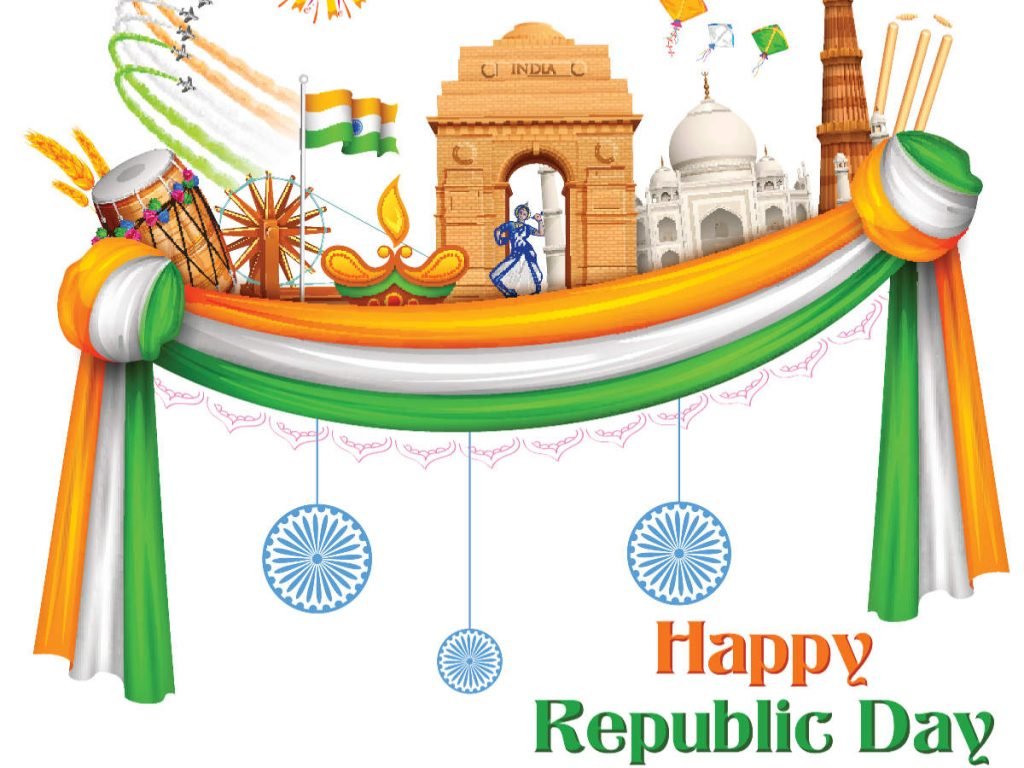
Our Indian constitution came into being on this day, and the date “26th January” was carved in history for all time.
Every year, Republic Day is commemorated with considerable fanfare, zeal, and splendour. On this day, important governmental laws and deeds were enacted, making it a day of national pride for all Indians, young and old.
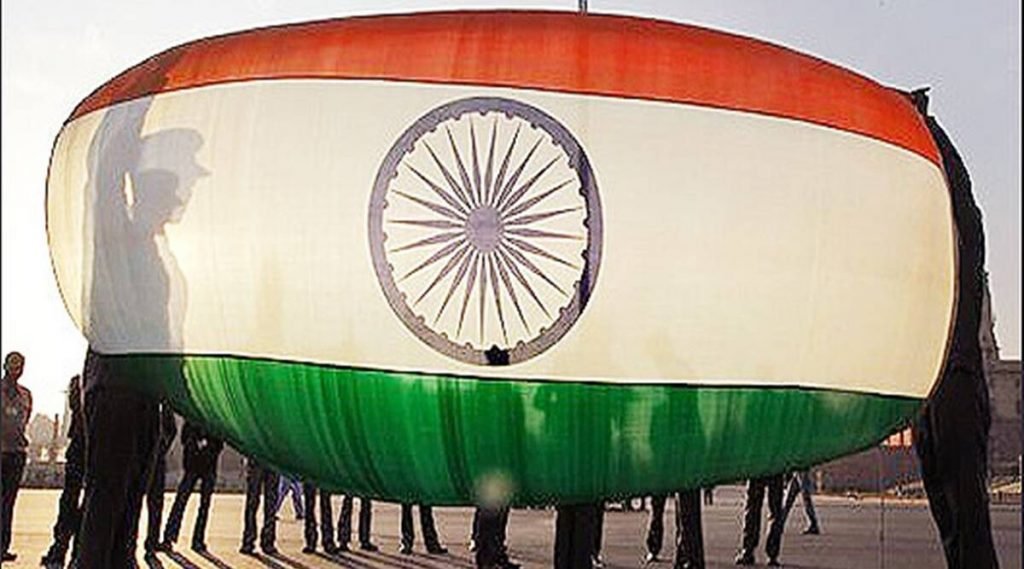
On this day, everyone, from schoolchildren to senior citizens, unfurls the National tricolour to offer their humble respects to their motherland.
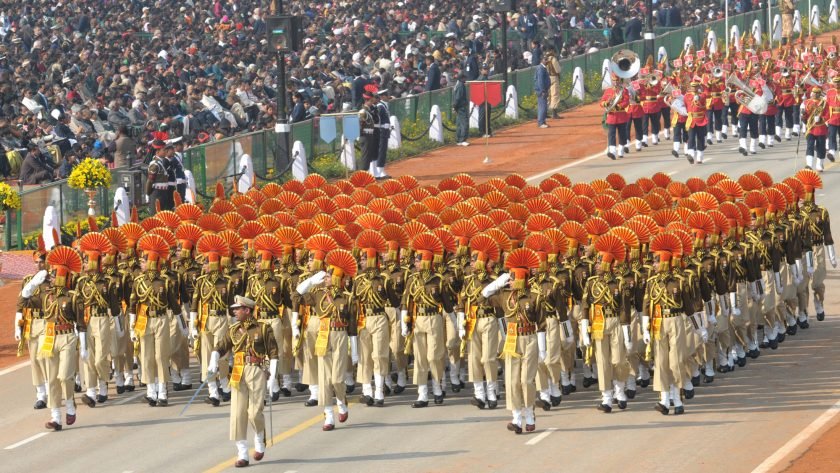
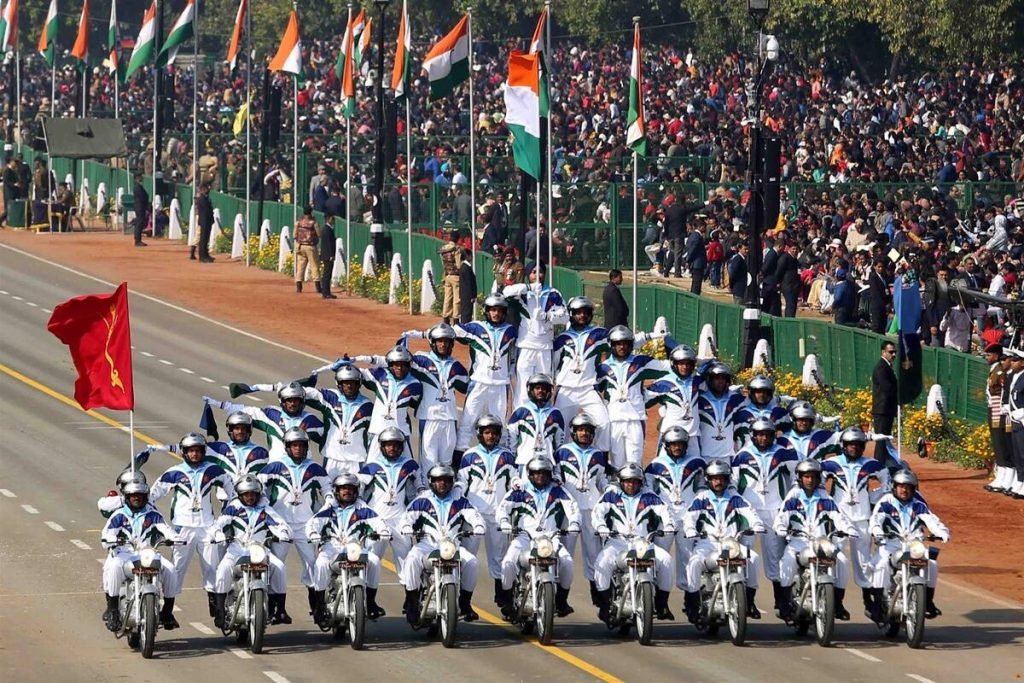
The Huge Procession: A grand parade is held on Republic Day at Rajpath in New Delhi. This parade primarily displays our country’s unique cultural history as well as the military’s competence in India. The magnificent procession also serves as a memorial to our independence heroes. The awarding of awards such as the Paramvir Chakra, Ashok Chakra, and Vir Chakra to the winners is one of the parade’s main attractions. During the Republic Day procession, children who have won Bravery Awards ride on colourfully adorned elephants.
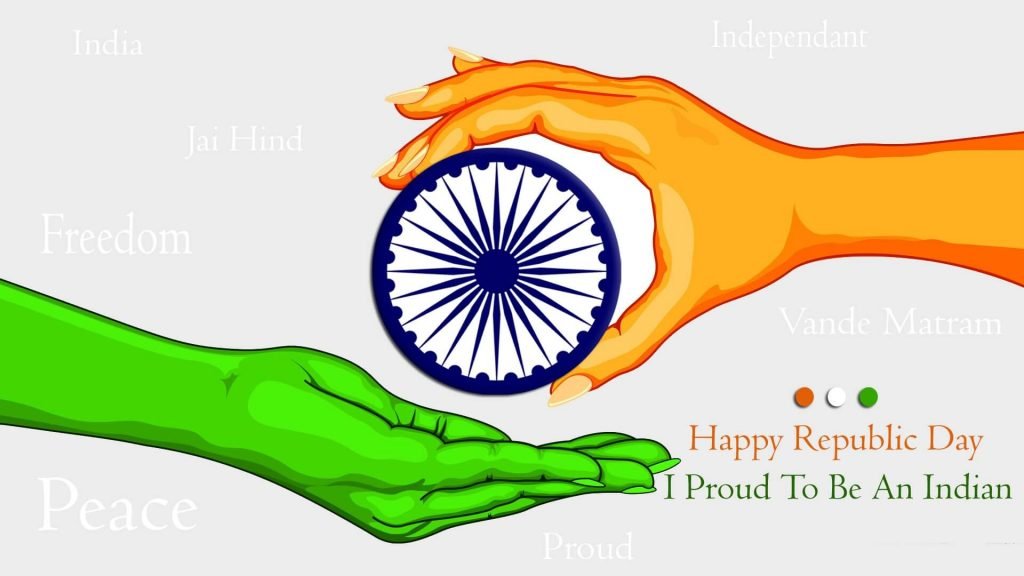
Placing Wreaths at Amar Jawan Jyoti: At Amar Jawan Jyoti, our honourable Prime Minister, along by the Chiefs of the Indian Army, Navy, and Air Force, plants wreaths and pays tribute to all troops who gave their lives for independence.
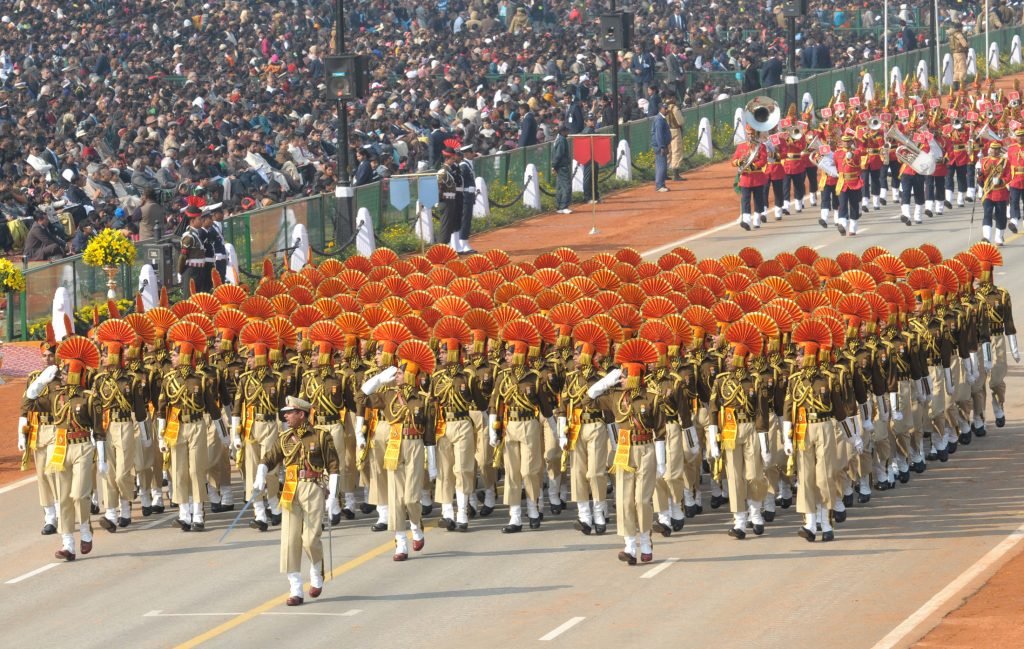
‘The 21 gun salute’: The firing of the 21 canons and rifles to honour our country’s navy and military on the auspicious occasion of Republic Day.
Beating Retreat Ceremony: The Republic Day celebrations continue for four days, from the 26th to the 29th of January. The ‘Beating Retreat’ event is held at Vijay Chowk on the final day. It includes a variety of activities such as the arrival of the President of India, the raising of our national flag, the singing of our national song, and the playing of the national anthem.
Inviting a chief guest: Each year, the president of India and an official chief guest, i.e. the head of state of any other country, attend the Republic Day celebrations. Countries such as France and Bhutan have had the honour of serving as the chief guest on Indian Republic Day four times. The first chief guest at India’s Republic Day celebrations in 1950 was then-Indonesian President Sukarno.
History of Republic Day
India, while being independent since 1947, lacked a constitution. Even independent India was considered as adhering to the British-enacted Government of India Act 1935. Prior to the creation of the Indian constitution, King George VI ruled the country.
Following Indian independence, the necessity for an independent constitution became apparent, and a drafting committee was formed, led by Mr. B. R. Ambedkar. The initial draught was submitted in November 1947 and was only approved in 1950 after 308 Assembly members made revisions to it. The draught was written by hand. Following the adoption of the finished text, the first election to select India’s first president was held. Dr. Rajendra Prasad took the oath of office being India’s first president This fantastic and memorable event was witnessed by thousands of people. These great events will live on in Indian history for the rest of time!
The significance of this day
For a variety of reasons, Republic Day is a very important day in our country. Some of the key reasons for emphasising the significance of this day are as follows:
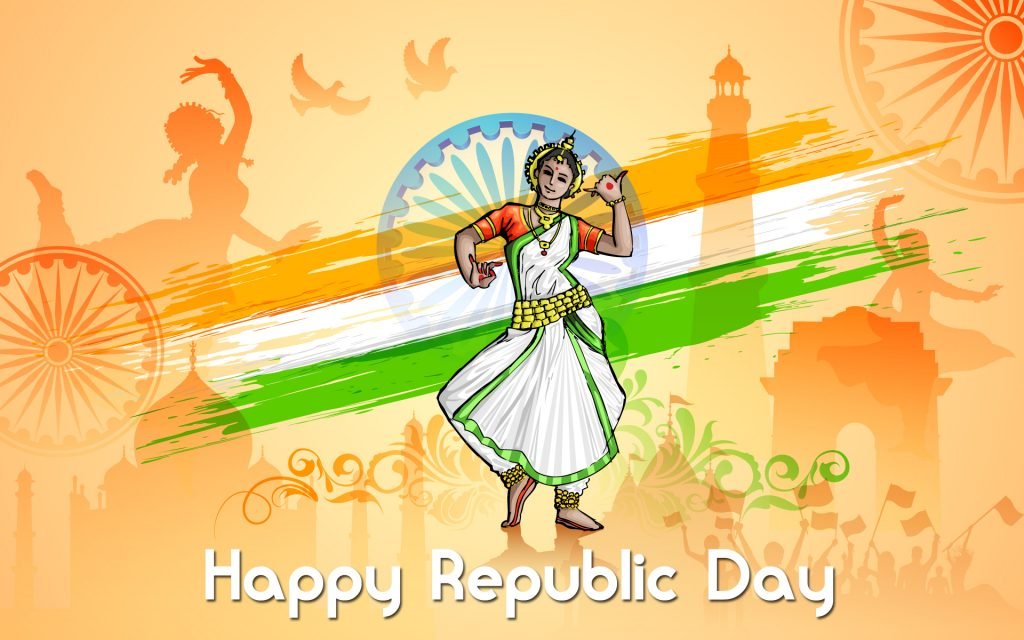
1. The Birth of the World’s Largest Democratic Nation: On this day, India was born as the world’s largest democratic nation, with the longest written constitution. India’s citizens officially obtained the ability to live independently and participate in the governance of their own country. When the journey begins well, it proceeds easily and without turbulence.
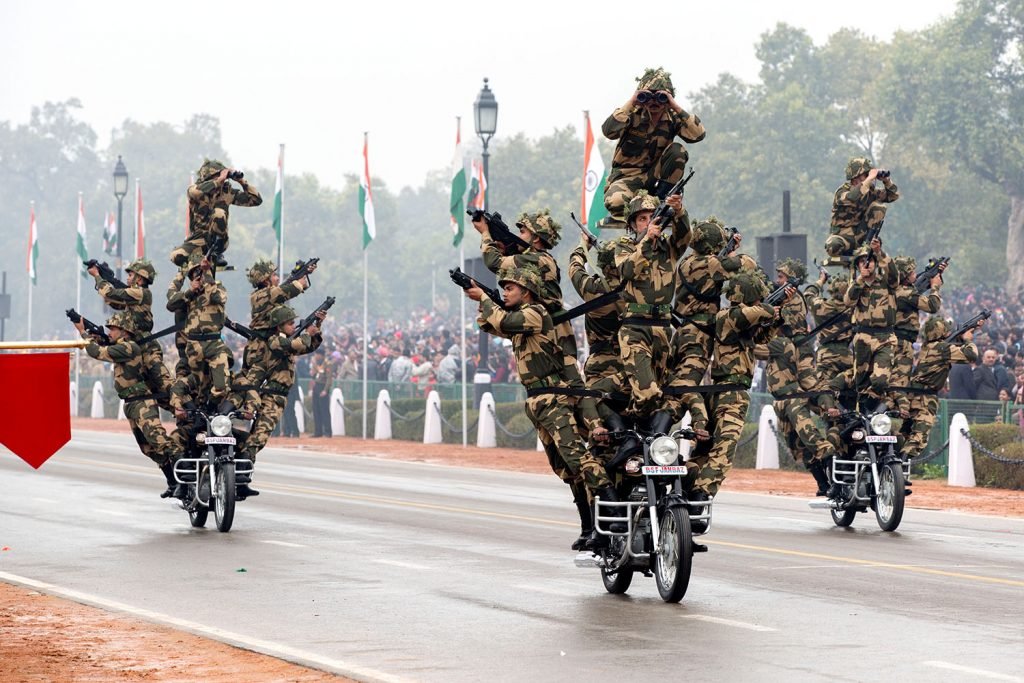
2. The Indian Constitution was established: On Republic Day, the constitution and governmental existence were established. As a result, the Indian government emerged from the shadow of the British administration.
3. First on this day, Honorable Dr. Rajendra Prasad took the historic oath of office as the first president of independent India. This ceremony embodied history.
4. Self-government: Until the day of the Republic, India was still subject to the laws imposed by the British authority. So, technically, an independent India did not become self-governing until the real Republic Day.
Conclusion
Every Indian citizen should understand the significance of Republic Day. As residents of a free country, we should be glad to be Indians and honour all those who have helped our country become stronger and better! All freedom warriors and soldiers who have made and continue to make unfathomable sacrifices for all of us to breathe ‘free’ deserve special recognition. People should not be forced to participate in Republic Day activities. Aside from patriotism, showing respect for the country is a sign of a responsible citizen.
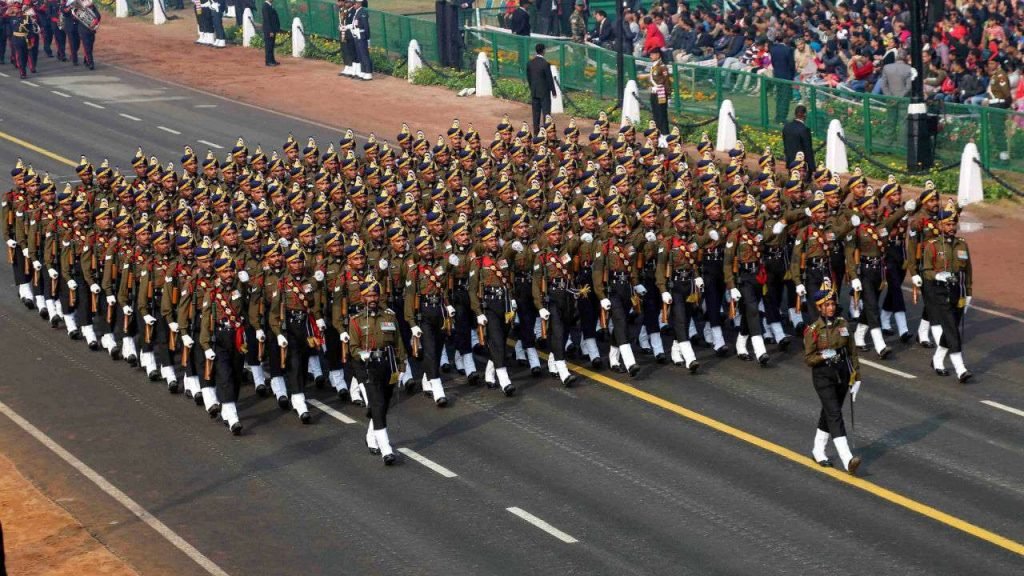
So, let us resolve to defend our country’s honour at all times, respecting its past while working to improve its present and hoping for a good and progressive future.